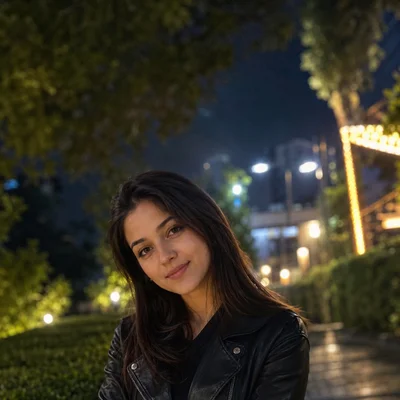
Bangs are one of the fastest ways to reshape a face without committing to a major haircut, and the trending bangs 2026 lineup has seven distinct fringe styles worth knowing before you sit down in the salon chair. This guide maps every trending bang style to the face shapes it flatters most, so you can scroll past the ones that won't work and save the one that will. Every style gets a face-shape match, a styling time estimate, a grow-out reality check, and the exact phrase to say to your stylist so you walk out with what you actually wanted.

Curtain Bangs: The Face-Framing Classic
Curtain Bangs: The Face-Framing Classic
Curtain bangs are center-parted fringe that falls on either side of the forehead, softening the hairline with a face-framing effect that works for nearly any hair texture and occasion. They are consistently the most requested fringe style in salons because the center part adds vertical visual interest rather than horizontal coverage across the forehead, which is why they work on more face shapes than almost anything else here. If you are new to bangs and not sure where to start, curtain bangs are the most forgiving entry point you can choose.
Face shapes are where curtain bangs really earn their reputation. They are most flattering on oval, heart, and long or oblong faces. On oval faces, the naturally balanced proportions absorb the style effortlessly, with the fringe framing the face rather than fighting it.
On heart-shaped faces, the center part draws the eye inward and downward rather than widening the forehead, which is exactly what a broader forehead needs. On long or oblong faces, curtain bangs interrupt vertical length by adding visual width at the midface without looking heavy or forced. They can also work on round faces when kept longer and softer, though shorter versions risk adding horizontal width rather than the vertical interest that helps lengthen the face.
Styling takes 5 to 10 minutes using a small round brush and low heat, directing each side outward and slightly downward as you blow-dry. On wavy or textured hair, curtain bangs often air-dry into a soft wave with minimal effort, so many people find they do not need a brush on most days. Keeping heat low preserves natural wave structure and reduces frizz around the fringe line.
Expect to trim every 6 to 8 weeks to maintain the center-part shape and prevent the fringe from dropping below the brow. Grow-out behavior is forgiving: at 4 weeks the bangs lengthen to just past the eye and can be swept to one side or pinned back easily, and at 8 weeks they blend naturally into face-framing layers with almost no awkward in-between phase.
What to tell your stylist: "I want center-parted curtain bangs that hit just below my brow arch, soft-edged, not blunt." Bring a reference photo if you have one, since the interpretation of curtain bangs varies widely between stylists. Ask them to start longer and trim down if needed, since an extra week of length is always easier to remove than to grow back.

Birkin Bangs and Bottleneck Bangs
Birkin Bangs and Bottleneck Bangs


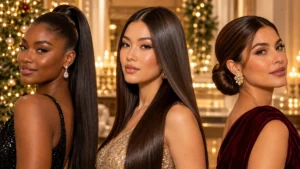
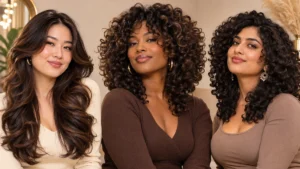

Two of the most discussed 2026 fringe styles look similar in photographs but suit very different face shapes in real life. Understanding the structural difference between them before you book will prevent you from arriving at the salon with a reference photo for the wrong one. The key difference is in the edge: one has a lived-in, imprecise cut designed to look effortless, while the other has a specific tapering structure toward the temples that changes which face shapes it flatters.
Birkin Bangs
Named after Jane Birkin's signature fringe, Birkin bangs are a full fringe that sits just above the brow with an intentionally lived-in, imprecise edge rather than a sharp blunt cut. The pieces fall at slightly uneven lengths to give the style its effortless, vintage quality, which is what separates it from a polished blunt fringe. It is meant to look un-fussy and slightly imperfect. That casual edge is the whole point.
Birkin bangs work best on oval and oblong faces, where the full horizontal fringe shortens the visual length of the face and brings the forehead and chin into better balance. Use caution on round faces, since a full fringe adds horizontal coverage across the forehead that can shorten the face further and add apparent width to a shape that already reads wide. Fine hair may also benefit from a light texturizing spray before styling, since even the modest weight of this fringe can pull fine strands flat by midday.
The grow-out is comfortable at 6 to 8 weeks thanks to the intentionally lived-in cut, which tolerates a little overgrowth without looking unkempt. The casual edge is part of the look, so a few extra weeks between appointments rarely registers.
What to tell your stylist: "Birkin-style bangs, full across the forehead, just above the brow, with a slightly lived-in edge rather than a sharp blunt cut." Emphasize the lived-in finish, because some stylists default to a clean, precise line unless you say otherwise. A reference photo of Jane Birkin's fringe communicates the casual, undone quality of the edge better than words alone.
Bottleneck Bangs
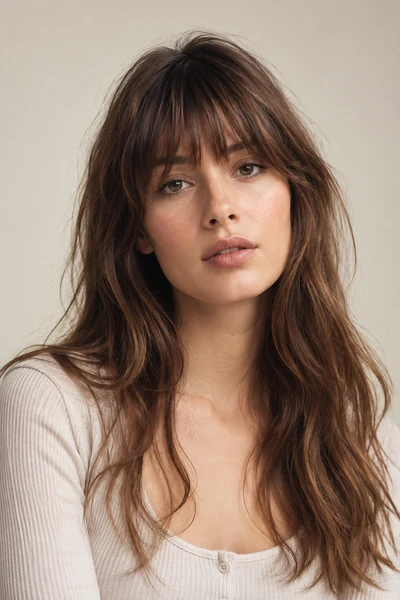
A bottleneck bang is widest at the center of the forehead and tapers narrower toward the temples, shaped like the neck of a bottle. This tapered structure is the critical difference from a standard blunt fringe, and it is what makes bottleneck bangs flattering on a broader range of face shapes than almost any other full fringe style. If you have scrolled through curtain and Birkin options without finding the right fit, bottleneck bangs may be the style you have been missing.
Bottleneck bangs rank among the trending bangs 2026 has delivered to salons, yet they are absent from most published bang roundups, which means your Pinterest feed has likely underserved you on this one. The taper is what makes them genuinely work: by narrowing toward the temples, they avoid adding the horizontal visual width that a full blunt fringe creates on round and square faces. They are one of the few 2026 styles that actively flatter those face shapes rather than requiring workarounds.
For round and square faces, bottleneck bangs are the strongest pick on this list. The tapering sides soften angular temples on square faces and avoid adding width on round faces, achieving what most other fringe styles cannot do without careful positioning. The tapered edges also blend naturally into side-swept layers at 6 to 8 weeks, making the grow-out cleaner and more gradual than a straight blunt fringe.
What to tell your stylist: "Bottleneck bangs, full at the center of my forehead, tapering narrower toward the temples, soft edge rather than a razor-sharp line." Not every stylist will recognize the term, so describing the shape directly is more reliable than the name alone. A reference photo of the actual silhouette is worth having on your phone before you sit down.
Butterfly Bangs and Korean Air Bangs
Butterfly Bangs and Korean Air Bangs
Both of these styles lean toward an airy, soft aesthetic, but they create that effect through entirely different cutting techniques. One is layered and flared at the sides, the other is sheer and barely-there across the forehead, and they each suit a distinct set of face shapes and hair textures.
Butterfly Bangs
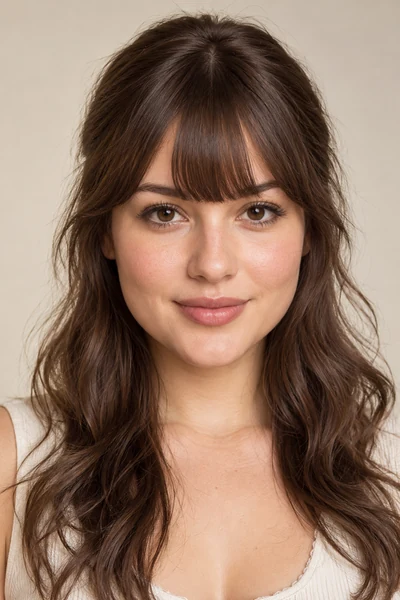
Butterfly bangs are a feathery, layered fringe that is shorter in the center and longer toward the temples, creating a winged or flared effect at the outer edges of the forehead. The finished look has movement built directly into the cut itself, which makes it one of the more photogenic fringe styles going right now. On the right face and hair type, nothing else gives you that same effortless finish.
Butterfly bangs are most flattering on oval and heart-shaped faces. On heart faces in particular, the flared outer edges echo the natural width of the cheekbones, making the face shape feel intentional and balanced rather than something the haircut is working around. Fine to medium hair achieves the feathery effect most naturally, while thick or coarse hair may require thinning shears throughout the fringe section to reduce bulk and prevent the fringe from reading as dense rather than airy.
Styling takes 10 to 15 minutes with a small round brush, blow-drying section by section and directing each piece slightly outward toward the temples to build the characteristic flared shape. Take extra time with the outer pieces since the wing effect at the sides is what distinguishes butterfly bangs from a standard layered fringe. Budget five extra minutes the first few times while you get comfortable with the technique.
What to tell your stylist: "Butterfly bangs, feathery and layered, shorter in the center, longer and slightly flared at the sides." The flared outer edge is the defining feature, so ask them to check symmetry there before finishing. A reference photo will help prevent the result from landing closer to a standard layered fringe than a true butterfly cut.
Korean Air Bangs
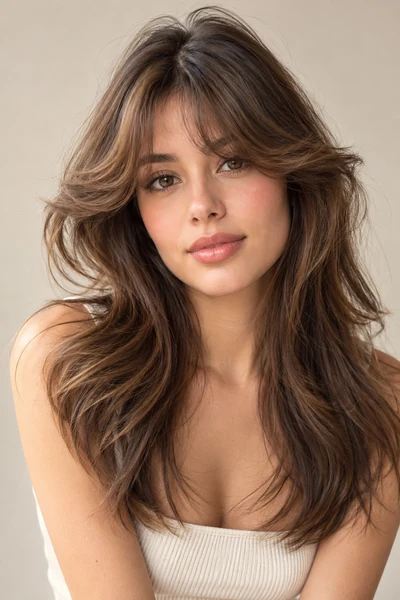
Korean air bangs are a sheer, see-through fringe cut to sit just above the brow with very little density, creating a fringe that is visible against the forehead but barely-there in weight. The style gained wide recognition through Korean beauty and hair content, and its continued popularity in 2026 reflects a preference for soft, minimal fringe that stops short of full forehead coverage. It looks polished without feeling heavy.
Korean air bangs work across most face shapes because their low density adds almost no visual weight to the forehead. They are particularly well-suited to round and square faces, where a heavier fringe would shorten the face and add apparent width, creating the exact problem these styles are designed to avoid. This style works best on fine to medium straight or slightly wavy hair, since thick or coarse hair will not naturally achieve the sheer look without significant thinning, and that result varies considerably by hair type.
Trim every 4 to 5 weeks without fail. Because the appeal of Korean air bangs depends entirely on their barely-there density, overgrowth immediately shifts the look from an air bang to a soft full fringe and the defining effect is lost. Keeping up with trims is the single most important maintenance commitment for this style, so factor that into your decision before booking.
What to tell your stylist: "Korean air bangs, very light and see-through, sitting just above the brow, minimal density, no blunt edge." Stress the density as much as the length, because the sheer quality is what separates air bangs from a standard fringe. Ask them to thin as they cut rather than cutting a full section first and thinning after, since the result is more natural that way.

Wispy Bangs and Micro Bangs
Wispy Bangs and Micro Bangs
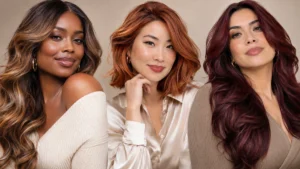
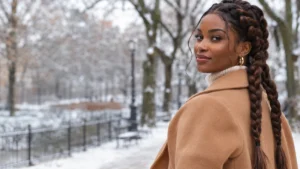

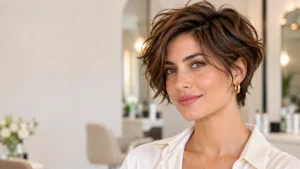
These two styles sit at opposite ends of the commitment range on this list. Wispy bangs are among the gentlest and most universally wearable options here, while micro bangs are the boldest and require the most frequent trims. Knowing which category matches your lifestyle before you book will prevent a style from feeling like a burden two weeks after the appointment.
Wispy Bangs
Wispy bangs are a thin, piecey fringe that allows the forehead to show through, grazing rather than covering the brow area. Unlike a full fringe, they sit lightly against the forehead with visible gaps between each piece, creating a soft, effortless quality that reads more like natural face-framing than a traditional committed bang. They are the gentlest entry point on this list, and that is a feature rather than a limitation for readers who want a subtle change.
Wispy bangs are one of the most universally flattering options here because their low density means they do not dominate any face shape, making them a natural first stop for first-time bang wearers. On fine or medium hair, the wispy effect is straightforward to achieve and maintain with minimal effort. On thick hair, your stylist will need to use thinning shears throughout the fringe section, since a standard blunt cut on thick hair produces a full fringe regardless of how narrow the parted section is. The wispy effect comes from reducing density, not from narrowing the part width.
Styling is air-dry-friendly, which sets wispy bangs apart from nearly every other style on this list. A small amount of texturizing cream or light-hold pomade, separated between your fingers and pressed lightly into the pieces, is enough to define the look without weighing it down. Wispy bangs are one of the few fringe styles where a blow-dry is optional most mornings.
What to tell your stylist: "Wispy bangs, thin and piecey, not a full fringe. Just enough to graze the forehead and frame the brow area." Tell them you want visible gaps between the pieces rather than solid forehead coverage, and that thinning shears should be used throughout the section rather than cutting a full fringe and thinning after. The piecey effect comes from how the fringe is cut, not just how it is styled each morning.
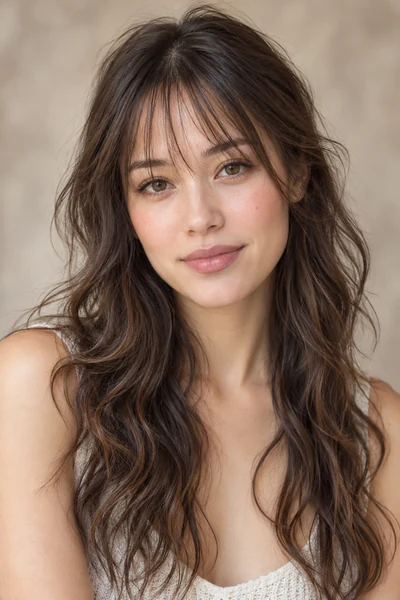
Micro Bangs
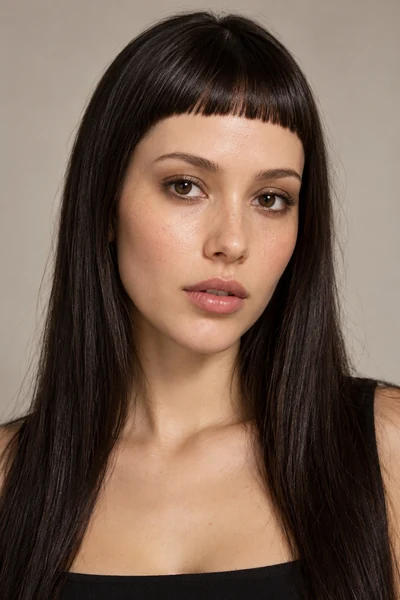
Micro bangs sit above the brow, sometimes at mid-forehead, making them the boldest fringe option on this list and the one that requires the most consistent upkeep. They function as a statement piece first and a haircut second, working best on people who want the fringe to be the most visible element of the hairstyle rather than a quiet accent. There is no low-key version of micro bangs: you will be noticed.
Micro bangs are most flattering on oval faces, where balanced proportions absorb the boldness of the cut naturally. On heart-shaped faces with a proportionally narrow forehead, they can also work beautifully. Use caution on round and square faces, where cutting above the brow exposes the widest part of the forehead and can visually add width rather than reduce it. Forehead size matters too: micro bangs work best on small to medium foreheads, and a large or high forehead will feel more exposed than balanced at this length.
Expect to trim every 2 to 3 weeks. Micro bangs are the highest-maintenance style on this list because even modest growth pushes them past the brow, and the entire look depends on staying above it. If you are not prepared to be in the salon chair every few weeks or comfortable with careful at-home trims, a longer bang style will serve your lifestyle better.
What to tell your stylist: "Micro bangs cut at mid-forehead, well above the brow, with a straight but not razor-sharp edge." Ask them to cut conservatively the first time, since micro bangs that land even slightly too high can feel dramatic in a way that is difficult to adjust until the fringe grows out. Bringing a reference photo is especially important here because the difference between a wearable result and an extreme one can be a quarter of an inch.
Which Bang Style Suits Your Face Shape in 2026
Which Bang Style Suits Your Face Shape in 2026
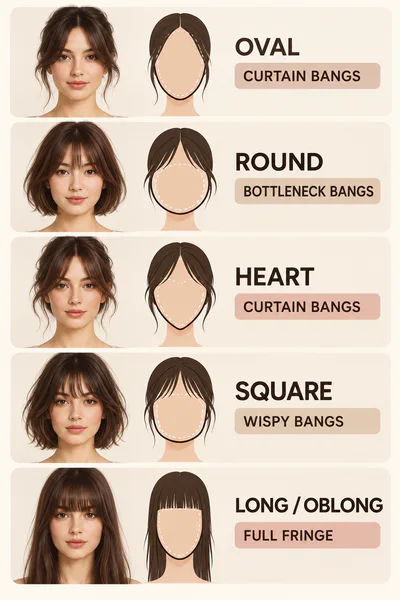
This is the section to screenshot before your appointment. Every face shape below gets its best picks and the styles worth skipping. For additional ideas beyond fringe, our roundup of haircuts for round faces covers round-face haircut options that work well alongside or instead of a fringe.
Round face
- Best picks: bottleneck bangs, Korean air bangs, wispy bangs
- Why: all three keep density low and avoid adding horizontal width at the temples and forehead, which is the primary styling challenge for round face shapes
- Avoid: full Birkin bangs or any heavy blunt fringe, which shorten the face vertically and add apparent width to an already wide shape
Oval face
- Best picks: all seven styles work on an oval face, with curtain bangs, Birkin bangs, and micro bangs offering particularly flattering results
- Why: oval proportions are naturally balanced, so very few fringe styles create a visual problem
Heart face
- Best picks: curtain bangs (the center part balances a wider forehead and draws the eye inward toward the midface), butterfly bangs (the flared outer edges echo the natural cheekbone width and create symmetry)
- Avoid: a super-full blunt fringe that mirrors the width of the forehead and makes it appear wider rather than balanced
Square face
- Best picks: bottleneck bangs (the tapered sides soften angular temples), Korean air bangs, wispy bangs
- Avoid: blunt full fringe, which repeats the horizontal line of the jaw and emphasizes angular structure rather than softening it
Long or oblong face
- Best picks: Birkin bangs (full horizontal coverage interrupts vertical face length), curtain bangs kept shorter to interrupt the forehead rather than elongate it
- Avoid: side-swept or wispy styles that leave the full forehead visible, since they add to the perception of vertical length rather than reducing it
Not sure which face shape you have? Our face shape guide walks through a quick two-minute self-check so you can identify your shape with confidence before you book.
Grow-Out Behavior and Trim Frequency
Grow-Out Behavior and Trim Frequency
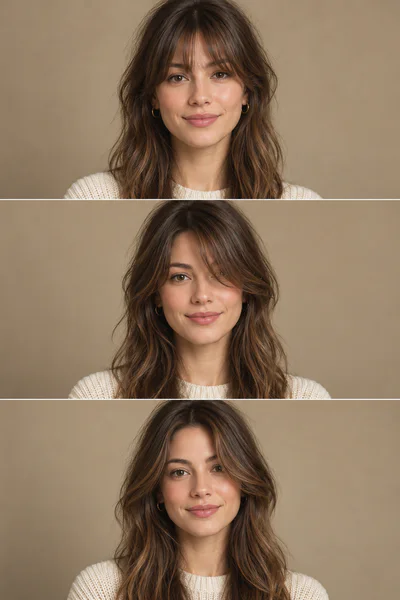
The most common anxiety around getting bangs is not the day of the cut but the weeks that follow it. Knowing what to expect at 4, 8, and 12 weeks removes most of the worry from the decision, and it is information nearly every bang roundup skips. A clear timeline makes the grow-out feel manageable, and these estimates apply across every trending bangs 2026 style covered in this post.
The general grow-out timeline for most bang styles:
- At 4 weeks: most bangs reach eye level and can be pinned back with a small clip, swept to one side, or tucked under a thin headband
- At 8 weeks: most styles can be tucked behind the ear or worn as a soft side fringe without looking like an accident
- At 12 weeks: most have blended fully into face-framing layers and no longer read as traditional bangs at all
Trim frequency by style:
- Micro bangs: every 2 to 3 weeks
- Korean air bangs: every 4 to 5 weeks
- Butterfly bangs: every 5 to 6 weeks
- Wispy bangs: every 5 to 7 weeks (low density hides a few extra weeks of growth better than a full fringe does)
- Curtain bangs: every 6 to 8 weeks
- Bottleneck bangs: every 6 to 8 weeks
- Birkin bangs: every 6 to 8 weeks (the lived-in quality tolerates a few extra weeks without looking unkempt)
Getting through the awkward grow-out phase is mostly a matter of having three reliable tools in your morning routine. A bobby pin tucked behind a parted section, a half-up pinning at the crown, and a thin headband all look intentional rather than improvised when done with a little care. None of these require extra products or extra time, so the in-between period is much less difficult than most people expect before their first bang cut.
At-home trims can extend your salon schedule by two to four weeks and are worth learning if you choose a high-frequency style like micro or Korean air bangs. The one non-negotiable rule is to use sharp hair scissors only, since craft scissors crush the hair shaft and create split ends directly at the fringe line. The American Academy of Dermatology notes that dull or defective scissors crush the hair shaft and lead to split ends, which is why sharp scissors are the single most important tool for any at-home fringe trim.
Frequently Asked Questions
Frequently Asked Questions



What bangs look best on a round face in 2026?
Bottleneck bangs, Korean air bangs, and wispy bangs are the three strongest picks for round faces in 2026. All three keep density low at the temples and forehead, avoiding the horizontal width that can make a round face appear wider. Full fringe styles like Birkin bangs are worth skipping on round faces, since they shorten the face vertically and add apparent width at the forehead.
Are curtain bangs still trending in 2026?
Yes, curtain bangs are among the most enduring trending bangs 2026 has to offer and remain one of the most requested fringe styles in salons. Their center-parted, face-framing shape suits a wide range of face shapes and hair textures, and their forgiving grow-out makes them one of the lowest-risk options for anyone trying bangs for the first time. The style has genuine staying power because it works across so many variables at once.
What are bottleneck bangs?
Bottleneck bangs are a fringe style that is widest at the center of the forehead and tapers narrower toward the temples, shaped like the neck of a bottle. Unlike a full blunt fringe, the tapered edges avoid adding horizontal width at the temples, which is what makes bottleneck bangs particularly flattering for round and square face shapes. They are one of the most underrepresented trending bang styles of 2026 despite being genuinely popular in salons.
How often should you trim bangs?
Trim frequency depends entirely on the style you choose. Micro bangs need a trim every 2 to 3 weeks because even modest growth pushes them past the brow and noticeably changes the look. Korean air bangs need a trim every 4 to 5 weeks, while most other styles including curtain, Birkin, bottleneck, and wispy bangs can comfortably go 6 to 8 weeks between professional trims.
What are Birkin bangs?
Birkin bangs are a full fringe named after Jane Birkin's signature look, defined by a slightly lived-in, imperfect edge rather than a precision blunt cut. The pieces fall at slightly uneven lengths, giving the fringe a casual, vintage quality that sits just above the brow. They work best on oval and oblong face shapes, where the full horizontal coverage shortens vertical face length and brings proportions into better balance.
Found your trending bangs 2026 style? Save this post to Pinterest so you have it ready when it is time to book. For a more dramatic change alongside your new fringe, our pixie cut guide covers face-shape-matched cuts that pair beautifully with a new fringe, and short haircuts is worth a look if you want to go shorter all over.


Your email address will not be published. Required fields are marked *