
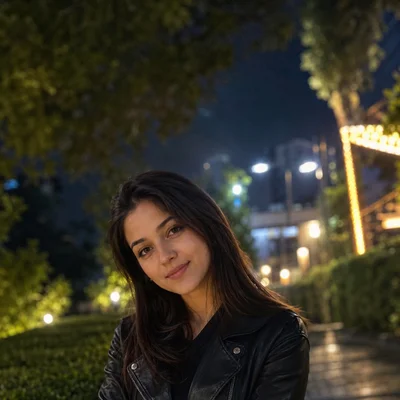
Mocha balayage hair is having a major moment this season, with Pinterest searches for the trend up nearly 950% as more women figure out what makes it so wearable through the colder months. It's a hand-painted brunette technique that blends a dark espresso root into warm, medium-depth mocha brown tones at the mid-lengths and ends, giving your hair richness and dimension without that harsh regrowth line. This guide covers all 12 mocha variations with shade descriptions, an undertone matching test, exact salon scripts, and a maintenance calendar so you can walk into your next appointment knowing exactly what you want.
What Is Mocha Balayage Hair Color?
Mocha balayage hair isn't a single fixed shade. It's a whole warm-brown color family that spans from barely-there caramel highlights to a fully dimensional gradient covering the lower half of your hair. The detail that sets it apart from other brunette techniques is the freehand painting: color goes on without foils at the root, which is what creates that seamless blend and a grow-out that looks intentional rather than neglected. The result reads dimensional and naturally sun-warmed, which is why it's one of the most requested looks at salons every winter season.
| Factor | Mocha Balayage | Highlights | Ombre | Single Process |
|---|---|---|---|---|
| Grow-out | Seamless | Hard line | Defined line | Full regrowth |
| Look | Sun-kissed, dimensional | Bright, defined | Gradient | Even, flat |
| Maintenance | Low | High | Medium | High |
| Damage | Low (no foils at roots) | High | Medium | Medium |
| Best for | Natural, effortless | Bold, bright | Dramatic | Full color change |
Winter is actually the best season to try this technique, and there are three practical reasons why. Warm mocha tones look richer under artificial indoor lighting. Cooler outdoor light makes the warm brown pieces appear more saturated rather than brassy.
The seamless grow-out lets you stretch appointments to twelve to sixteen weeks without a visible regrowth line forming at the root. No other brunette coloring method gives you that combination of warmth, dimension, and effortless grow-out at once.
12 Best Mocha Balayage Shades for Winter

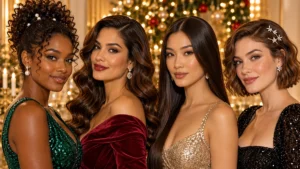
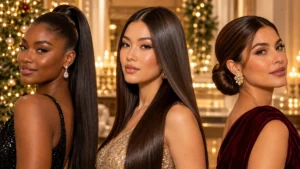
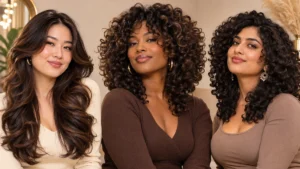
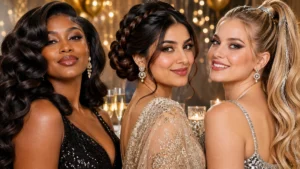
The quick-choice table below gives you an at-a-glance overview of all twelve variations. Use your skin tone and maintenance preference to narrow it down to two or three shades, then read the full entry for each before your salon consultation.
| # | Shade | Undertone | Best Skin Tone | Maintenance |
|---|---|---|---|---|
| 1 | Classic Mocha Balayage | Warm brown | Medium warm | Low |
| 2 | Dark Mocha Balayage | Deep warm brown | Deep, all | Low |
| 3 | Light Mocha Balayage | Light warm caramel | Fair-medium | Medium |
| 4 | Mocha Espresso Balayage | Near-black + mocha | Deep neutral | Very low |
| 5 | Mocha Copper Balayage | Warm brown-copper | Warm golden | Medium |
| 6 | Mocha Chocolate Balayage | Rich chocolate brown | Neutral-warm | Low |
| 7 | Mocha Honey Balayage | Warm brown + honey | Warm medium | Medium-low |
| 8 | Ash Mocha Balayage | Cool-toned brown | Cool neutral | Medium |
| 9 | Mocha Bronde Balayage | Brown-blonde blend | Warm-neutral | Medium |
| 10 | Mocha Caramel Balayage | Light caramel ends | Medium warm | Medium |
| 11 | Mocha Mahogany Balayage | Red-brown mocha | Medium-deep warm | Medium |
| 12 | Mocha Chestnut Balayage | Warm chestnut | All warm | Low |
1. Classic Mocha Balayage
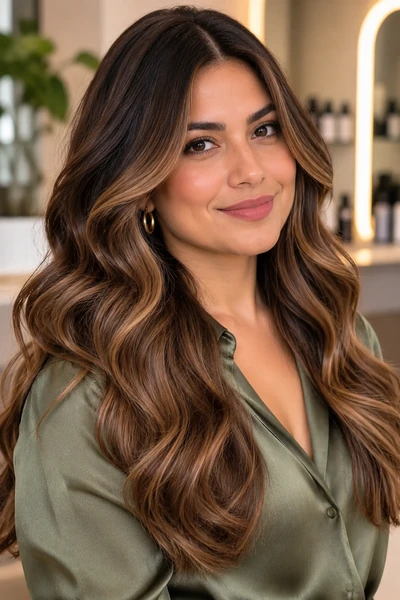
A warm brown gradient that blends a medium-depth brunette root into lighter mocha tones at the mid-lengths and ends, creating the signature sun-kissed look this technique is known for. Straight and wavy hair show it off especially well because the light catches the warm sections evenly across the surface, making every hand-painted piece visible. If you've never done balayage before, this is your best starting point: dimensional color without committing to significant lightening.
Best for: Medium warm skin tones; straight and wavy hair.
Ask for at the salon: "I want classic warm mocha balayage starting at the mid-shaft, nothing ashy, sealed with a warm gloss toner at the end of the appointment."
Pro tip: Ask your colorist to place the lightest pieces on the top layer of the hair so the warmth shows even when the hair is worn up.
2. Dark Mocha Balayage
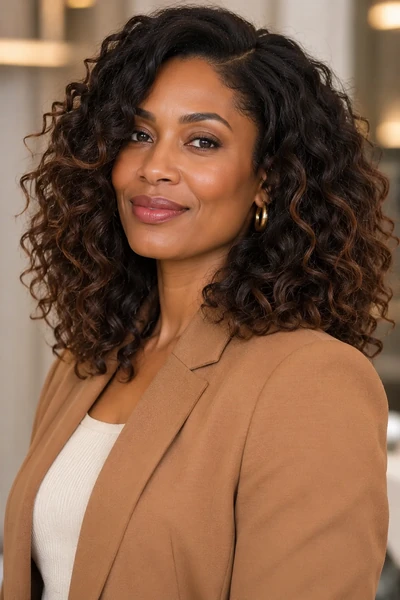
This is a deeper version of the classic with minimal lift from the root, so the dimensional effect stays subtle and shows best in natural or bright indoor light. The contrast between root and ends is so low that regrowth is virtually invisible, making this the most grow-out-friendly option on the whole list. It suits all undertones and looks especially flattering on deeper complexions where rich, saturated tones really work.
Best for: Deep skin tones and all complexions; all hair textures.
Ask for at the salon: "I want dark mocha balayage with very subtle lift at the ends only, keeping the root close to my natural dark base."
Pro tip: Schedule a gloss refresh at ten to twelve weeks rather than a full balayage appointment to maintain warmth without adding new lift.
3. Light Mocha Balayage
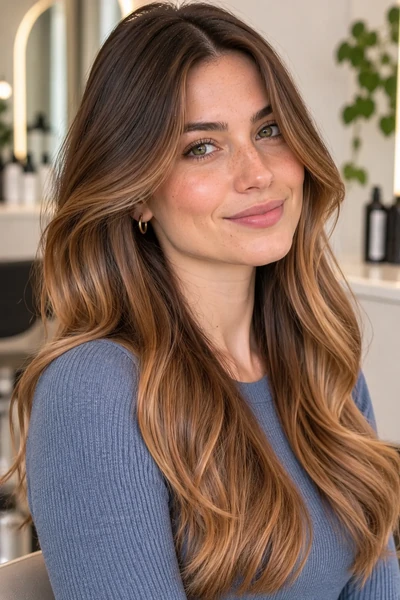
This variation takes the ends into a light warm caramel zone, making it the brightest and most contrast-heavy option in the mocha family. Fair to medium complexions tend to wear it best because the light caramel ends complement your skin tone without competing with it. Since the ends are lightened significantly, you'll need more care between appointments than with the darker variations, including regular toning to keep brassiness from creeping in.
Best for: Fair to medium warm skin tones; straight and wavy hair.
Ask for at the salon: "I want light mocha balayage with the ends lifting into a warm caramel tone, medium-depth mocha mid-lengths, and a warm gloss to seal it."
Pro tip: A color-depositing brown conditioner used once a week keeps the ends warm between toner appointments.
4. Mocha Espresso Balayage

Near-black at the root blending into barely-visible mocha tones at the ends, this is the darkest and most understated option here. The lift is so minimal that the dimension shows mainly in direct sunlight, giving a subtle richness that photographs beautifully under warm indoor lighting. If you love your dark hair but want just a hint of movement without committing to visible lightening or frequent salon visits, this one was made for you.
Best for: Deep neutral skin tones; all hair textures.
Ask for at the salon: "I want mocha espresso balayage with the root staying near-black and only very subtle mocha lightening at the ends, almost invisible in dim light."
Pro tip: A warm espresso-tone gloss after each appointment deepens the root and unifies the blend for a smoother, more polished transition.
5. Mocha Copper Balayage
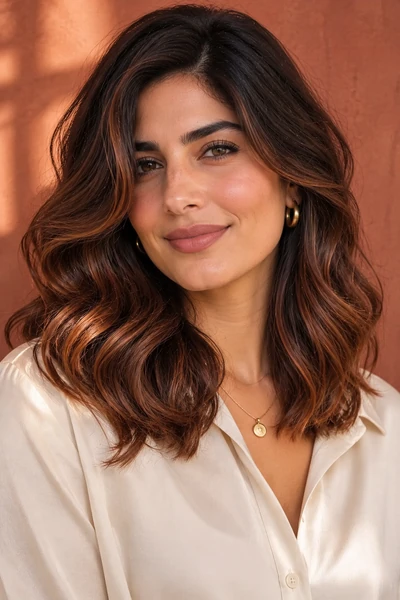
A warm brown base with copper-tinted ends that adds more personality than a standard mocha without crossing into full red-hair territory. Those copper tones give your hair a warm, almost metallic glow under indoor lighting that looks especially striking in winter. Copper fades faster than a pure brunette mocha, so plan for a toner refresh at six to eight weeks to keep the color from slipping toward a muddy orange-brown.
Best for: Warm golden skin tones; all hair textures.
Ask for at the salon: "I want warm mocha balayage with a rich copper tone at the ends, not orange, sealed with a copper-tone toner."
Pro tip: Avoid purple or blue toning shampoos entirely; these strip warm copper pigment fast and leave the ends looking dull and muddy.
6. Mocha Chocolate Balayage

Rich chocolate brown tones blend into a warmer mocha mid-length for a result that sits slightly cooler than classic mocha but warmer than a true chocolate. It's one of the most versatile shades on the list for neutral-to-warm undertones and works on most hair textures, with an especially bold result on thick hair where wider sections create a pronounced gradient. The cooler chocolate base holds pigment longer than the warmer variations, so you can stretch the time between appointments.
Best for: Neutral-warm skin tones; thick and wavy hair.
Ask for at the salon: "I want mocha chocolate balayage, dark chocolate at the root blending into warm mocha mid-shaft, with the ends slightly deeper than a classic mocha."
Pro tip: This shade looks particularly dimensional on thick hair where wide painted sections create a bold, layered gradient.
7. Mocha Honey Balayage
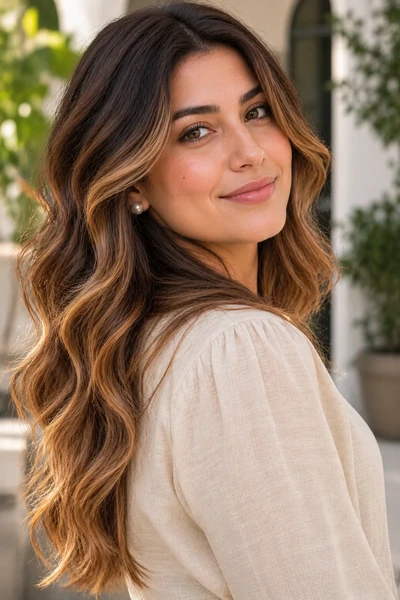
Warm brown at the root with honey-toned ends gives this variation a golden, almost summer-worn quality that suits warm medium complexions really well. The maintenance is medium-low because honey tones, while warmer than classic mocha, don't fade as quickly as copper. This shade photographs especially well in winter because those warm golden ends contrast beautifully against cooler ambient light and richer indoor lighting.
Best for: Warm medium skin tones; straight, wavy, and curly hair.
Ask for at the salon: "I want mocha honey balayage with warm brown root blending into honey-gold ends, nothing ashy, finished with a honey-toned gloss."
Pro tip: A warm brunette color-depositing conditioner used once a week keeps the honey tones bright between toner appointments.
8. Ash Mocha Balayage
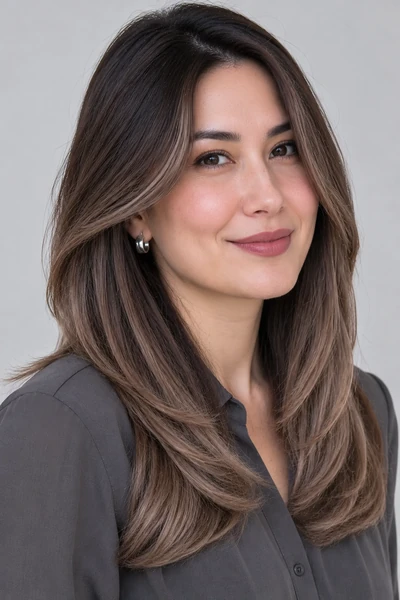
The only cool-toned option in the twelve-shade list, this variation uses a cool brown base that reads slightly gray-toned in natural light and suits cool neutral complexions particularly well. It's the go-to for women with blue or purple veins who want dimensional brunette color without any warmth pulling through. Because it leans cool, it doesn't develop brassiness over time the way the warmer variations can, making it genuinely low-effort to manage between appointments.
Best for: Cool neutral skin tones; all hair textures.
Ask for at the salon: "I want ash mocha balayage, cool-toned throughout with no warmth. Use an ashy brunette toner at the end to keep it from developing any orange or yellow cast."
Pro tip: Use a cool brunette toning shampoo labeled "ash" or "cool brown" to maintain the cool dimension between appointments.
9. Mocha Bronde Balayage
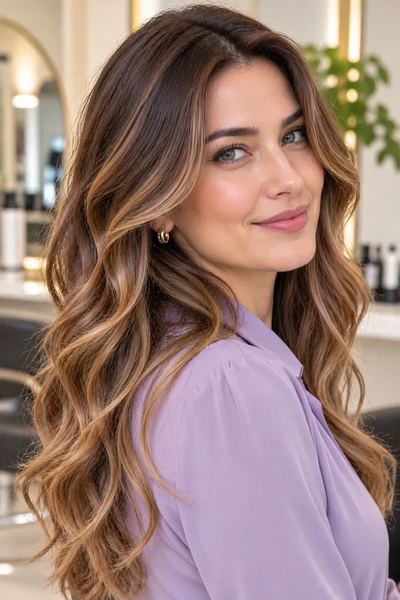
A brown-blonde blend that sits right at the edge of the brunette-to-blonde spectrum, this shade reads as a very warm, light brunette with blonde-leaning ends. Warm and neutral undertones wear it best, and it works especially well on naturally medium-brown hair where the lift to a bronde tone requires less processing time. The result feels bright and summery but still reads brunette, so it's a great transition for anyone curious about blonde but not quite ready to fully commit.
Best for: Warm-neutral skin tones; medium-brown natural bases.
Ask for at the salon: "I want mocha bronde balayage, the ends lifting into a warm bronde tone, brown-blonde but not fully blonde, with the root dark and mid-lengths mocha."
Pro tip: A gloss in a warm golden brunette tone after the appointment unifies the blend and keeps the bronde ends from looking over-processed or separate from the root.
10. Mocha Caramel Balayage
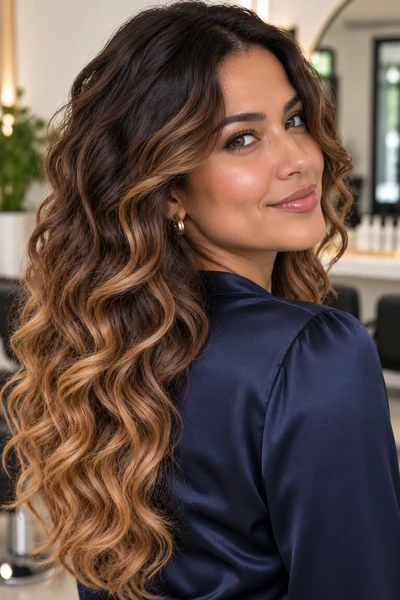
Light caramel ends sit above a medium mocha mid-length, making this one of the most vibrant and contrast-rich options on the list. Medium warm skin tones benefit most because the caramel ends complement the golden undertone in your complexion without competing with it. It's a popular choice for women who want visible, showy results without going as bright as a full highlight set.
Best for: Medium warm skin tones; straight and wavy hair.
Ask for at the salon: "I want mocha caramel balayage with the ends lifting into a true caramel tone, not too orange, mid-lengths warm mocha, and a caramel gloss to seal it."
Pro tip: Caramel tones fade to a warm honey over time; plan a gloss refresh at eight weeks to restore depth before the ends go too light.
11. Mocha Mahogany Balayage
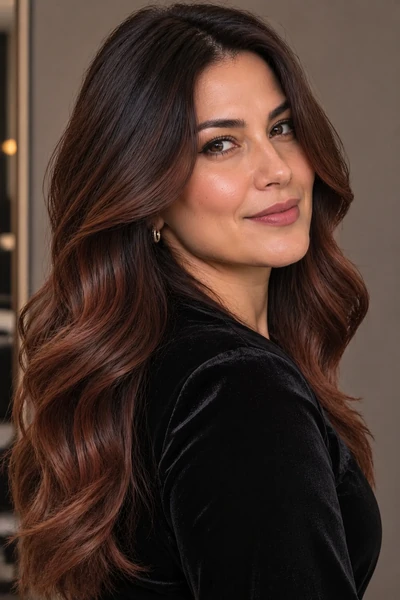
A red-brown mocha that adds a subtle warm-red edge to the standard brunette base without going fully auburn, this variation suits medium to deep warm and olive complexions particularly well. The mahogany tones add richness that photographs beautifully indoors under winter lighting, and the result looks more intentional than a standard brunette. You'll need regular gloss maintenance to keep the red pigment from fading to an orangey-brown over time.
Best for: Medium-deep warm skin tones; all hair textures.
Ask for at the salon: "I want mocha mahogany balayage with a warm red-brown tone at the ends, more of a true mahogany, not orange. Use a red-brown toner to lock the color in."
Pro tip: Wash with a warm brunette or red-correcting shampoo to preserve the red pigment and keep the mahogany from going muddy.
12. Mocha Chestnut Balayage
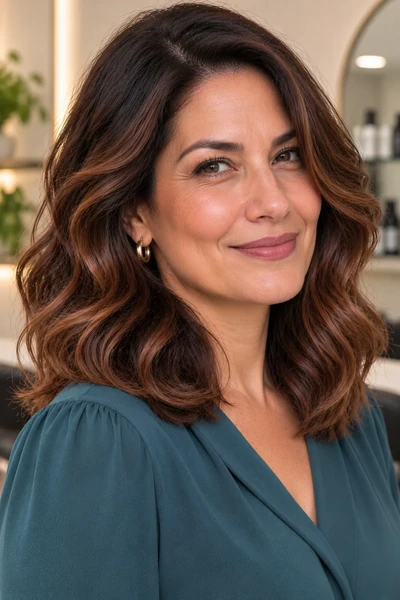
A rich, warm chestnut gradient that suits all warm-toned complexions and reads dimensional in every type of light, this is one of the most universally flattering shades on the list. The warm chestnut undertones complement nearly every warm skin tone without overwhelming it, and the low-maintenance grow-out makes it an easy choice for year-round wear. If you want a warm brunette shade that looks polished in January and still works in spring without an urgent refresh, this is it.
Best for: All warm skin tones; wavy and curly hair.
Ask for at the salon: "I want mocha chestnut balayage, warm chestnut tones blending from a natural brunette root, finished with a chestnut-tone gloss."
Pro tip: This shade looks especially rich on naturally wavy and curly hair where the light catches the warm tones at the outer edge of each wave or curl.
Choosing the Right Mocha Shade for Your Skin Tone
Picking from twelve shades gets a lot easier once you know your undertone. Two quick at-home tests give you a reliable answer before your consultation, and either one alone is enough to point you in the right direction.
Vein test: Look at the inside of your wrist in natural light. Green veins point to a warm undertone, so look at mocha honey or mocha copper. Blue or purple veins indicate a cool undertone, making ash mocha or mocha espresso your best starting points. A mix of both means a neutral undertone, and most shades in the quick-choice table above will suit you.
Sun reaction test: If your skin tans easily, you likely have a warm undertone. If you tend to burn first before any color develops, you're probably cool-toned. Burning first and then gradually tanning points to a neutral undertone, and the widest range of shades applies.
Warm undertones pair best with classic mocha, mocha honey, mocha copper, and mocha chestnut. Cool undertones do better with ash mocha and mocha espresso, and you'll want to steer clear of the copper and mahogany variations that can read orange against a pink or rosy complexion. If you're also rethinking your cut alongside your new color, the face shape guide can help you choose a shape that works with your structure before your appointment.
Mocha Balayage by Hair Texture
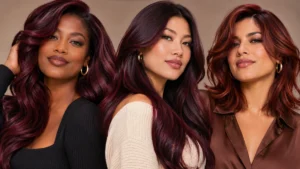
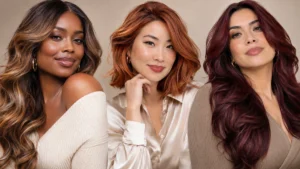
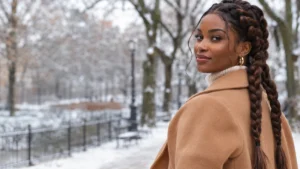
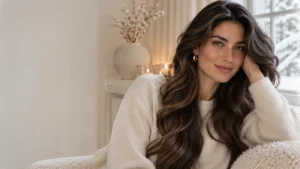
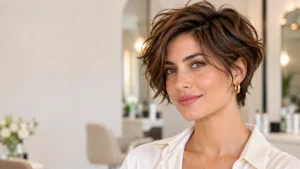
Hair texture changes how mocha balayage hair is applied, how the finished result looks, and how the color fades over time, so knowing where you fall before your consultation really matters. Fine hair needs color concentrated at the mid-lengths to ends only. Too much lift near the root flattens fine hair further, and the mocha honey and mocha copper variations can look heavy on finer strands. Mocha babylights (classic mocha with ultra-fine painted sections) work best for fine hair because the delicate placement adds dimension without adding visual weight, and pairing the color with long layered cuts maximizes movement.
Thick hair benefits from wider sections that create a bolder, richer gradient suited to the natural volume and density, though the appointment will run thirty to sixty minutes longer than a typical fine-hair session. For curly and wavy hair, you need a colorist who paints the outer face of each curl cluster rather than applying color the way they would on straight hair, so confirm their experience with textured hair balayage before you book. Post-color deep conditioning isn't optional on curls. Bleach on textured hair without immediate deep moisture causes frizz and increased breakage over time.
What to Tell Your Stylist
Walking in with a clear request for mocha balayage hair makes a bigger difference than any inspiration photo because it tells your colorist exactly what warm, natural, and low-maintenance means to you. The checklist below is written in your voice so you can screenshot it, read it aloud, or show it on your phone before the appointment starts. Having these points ready takes the guesswork out of the consultation and helps your colorist plan the session accurately.
- "I want warm mocha balayage. Not ash, not cool-toned, nothing that photographs gray."
- "My natural base is [describe: level 4 dark brown / level 6 medium brown / previously colored with X]."
- "I want my lightest pieces to land around [chin / collarbone / mid-back]."
- "Please seal it with a warm gloss toner at the end of the appointment."
- "My hair has [highlight history / relaxer / bleach], so please do a strand test before we start."
- "I want the grow-out to look natural. Please keep the root area soft and blended, not chunky."
- "My budget is around $[X] and I have [X] hours available."
A quick note on gray coverage: mocha balayage hair blends early-stage grays well because the seamless technique naturally softens the contrast between gray and brunette strands. For hair that's fifty percent or more gray, ask your colorist about applying a base color first, then adding balayage over the top for warmth and dimension. That two-step approach gives a more polished and even finish than balayage alone on heavily gray hair.
How to Maintain Mocha Balayage All Winter
Following a consistent timeline is the most effective way to protect warm mocha tones between appointments and avoid the dullness that sets in when color is neglected. Use this maintenance calendar as a guide for the first four to six months after your initial appointment, and adjust the timing based on how quickly your specific variation fades.
| Timing | What to Do |
|---|---|
| Week 1-2 | Use color-safe shampoo only, no sulfates |
| Month 1 | Apply color-depositing conditioner in matching brown tone |
| Month 2-3 | Gloss or toner appointment to refresh warmth |
| Month 4-6 | Full balayage refresh or touch-up at tips |
Washing frequency matters more than most people expect for color longevity. Limit washes to two or three times per week using a sulfate-free, color-safe shampoo, and use dry shampoo at the roots between washes to avoid stripping the warm pigment from the ends. A deep conditioning mask once a week through the colder months keeps the hair shaft moisturized and prevents the color from drying out and dulling before it should. The American Academy of Dermatology advises limiting heat styling on color-treated hair to slow pigment fade between appointments.
One product to skip entirely: purple or blue toning shampoos designed for blondes. These strip warm pigment fast, which is the opposite of what your warm brunette color needs. If brassiness develops, switch to a warm brunette shampoo labeled "warm brown" or "red correcting" instead, used once a week. For low-effort styling ideas that protect the color between washes without heat, browse 5-minute hairstyles for options worth bookmarking before your appointment.
Frequently Asked Questions
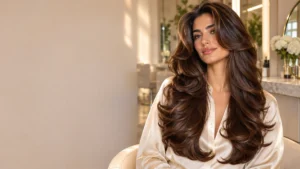
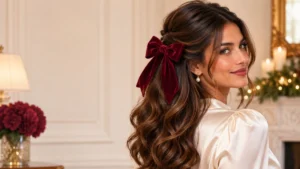
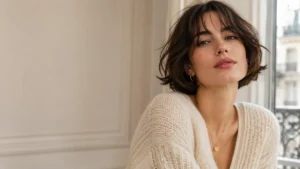
What Is Mocha Balayage Hair?
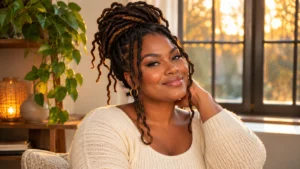
Mocha balayage hair is a hand-painted coloring technique that blends a dark espresso root into warm, medium-depth mocha brown tones at the mid-lengths and ends. It's not a single shade but a warm-brown color family covering everything from subtle honey-caramel highlights to rich, fully dimensional brunette gradients. The technique grows out without a harsh regrowth line, which makes it one of the most popular low-maintenance brunette options at salons.
Does Mocha Balayage Work on Dark Hair?
Yes, but very dark natural hair at a level two to four base needs professional lightening to bring the mid-lengths and ends up to a warm mocha tone, which adds time and cost to the appointment. A single session may not reach the warmth shown in inspiration photos if your starting base is very dark, so set realistic expectations with your colorist before booking. The dark mocha and mocha espresso variations are the best starting choices for very dark bases because the lift required is minimal.
How Long Does Mocha Balayage Last Before Fading?
Most mocha balayage variations hold their warmth well for eight to twelve weeks before a gloss refresh is needed to maintain the original depth. A full balayage touch-up is typically required every twelve to sixteen weeks, though darker variations like dark mocha and mocha espresso can stretch to eighteen or twenty weeks because the regrowth contrast is so low. Washing frequency and water temperature affect fade speed significantly; cold water and sulfate-free shampoo both extend the life of the color between appointments.
What Is the Difference Between Mocha Balayage and Caramel Balayage?
Mocha balayage hair produces a warm, medium-depth brown tone with a coffee-like richness, while caramel balayage lifts the ends into a lighter, more golden and amber zone. The result of mocha balayage hair tends to look more natural and dimensional from a distance, while caramel balayage creates higher visible contrast, especially on darker bases. If you want a result that reads as "barely touched," mocha is the better starting point; if you want your highlights to be clearly visible in photos, caramel works harder.
Can I Do Mocha Balayage at Home?
Freehand balayage is technically possible at home using a lightener and a tinting brush, but the seamless blending that makes the technique look good is genuinely difficult to achieve without experience. Uneven application, over-processed sections, or the wrong toner can produce patchy, brassy results that are expensive to correct at a salon. For first-timers especially, a professional appointment is the safer investment, since the first session sets the base for every future touch-up.
Mocha balayage hair earns its reputation as one of the most flattering and low-maintenance brunette techniques out there, and with twelve shades to choose from, there's a variation that works for every skin tone, hair texture, and maintenance preference. Use the undertone test to narrow down your shade, pick two or three options from the quick-choice table, and walk into your appointment with the exact salon wording ready. For more cut ideas to pair with your new color, browse long hairstyles for styling inspiration once your color is done.

Your email address will not be published. Required fields are marked *