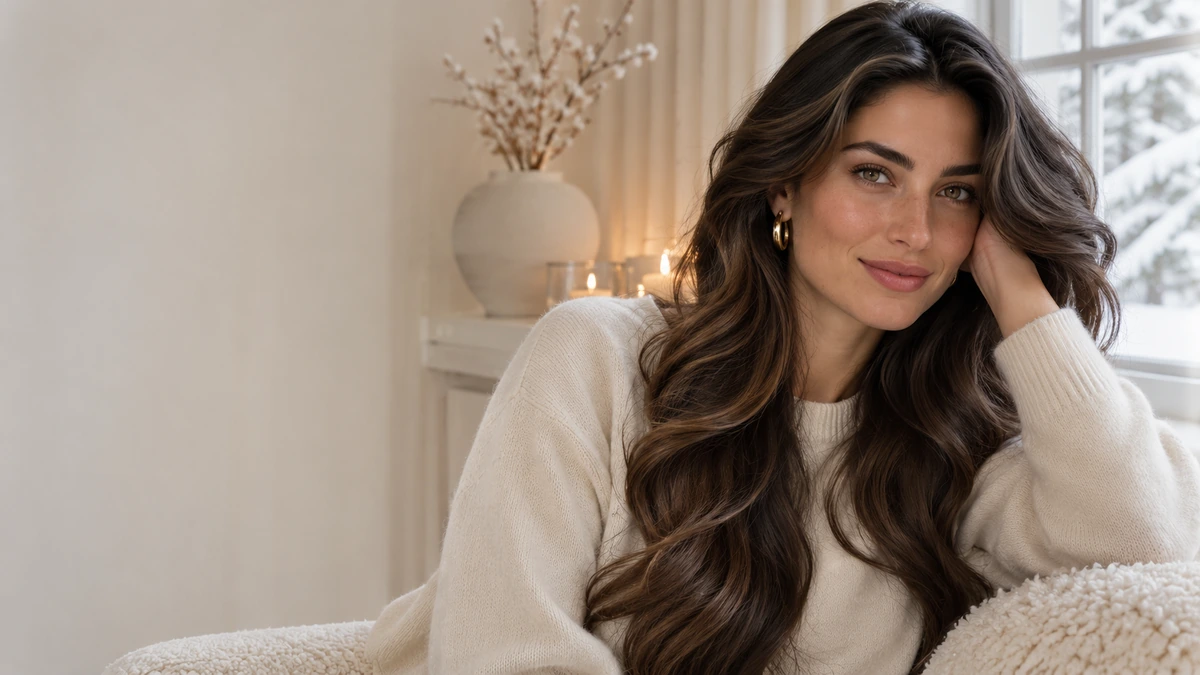
Winter is honestly the season where the right color shift makes the biggest visible difference. Daylight goes bluer and cooler from late autumn through early spring, pulling warmth right out of shades that looked gorgeous in summer and making poorly matched tones look flat or washed out against your skin. These 12 winter hair color ideas cover everything from deep, glossy brunettes to creamy warm blondes, with undertone guidance, real maintenance notes, and exact stylist scripts for each shade so the gap between your inspiration photo and what you actually leave the salon with is as small as possible.
Scroll the quick-choice table below to find your closest match first. Once your new shade is in, party hairstyles has everything you need for showing it off this season.
At a Glance: All 12 Winter Hair Color Ideas
| # | Shade | Tone | Best Skin Tones | Maintenance |
|---|---|---|---|---|
| 1 | Espresso Brunette | Cool-neutral | All | Low |
| 2 | Vanilla Blonde | Warm-creamy | Warm/neutral | High |
| 3 | Mushroom Bronde | Cool-neutral | Cool/neutral | Medium-low |
| 4 | Icy Platinum Blonde | Very cool | Cool/fair | Very high |
| 5 | Warm Chestnut Brown | Warm | All | Low |
| 6 | Honey Bronde | Warm | Warm/neutral | Medium-low |
| 7 | Smoky Ash Brown | Cool | Cool | Medium |
| 8 | Golden Vanilla Highlights | Warm face-frame | Warm/all | Medium-low |
| 9 | Dark Chocolate Gloss | Neutral-warm | All | Low |
| 10 | Cool Beige Blonde | Cool-neutral | Cool/neutral | High |
| 11 | Cinnamon Swirl Brunette | Warm dark | Warm medium-deep | Low-medium |
| 12 | Toasted Almond Bronde | Neutral | Neutral | Medium-low |
How to Find Your Undertone for Winter Hair Color
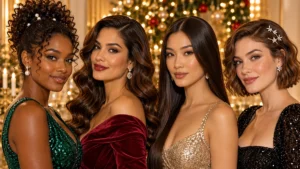
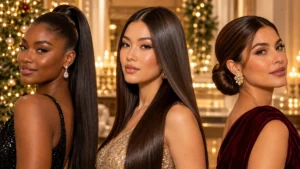
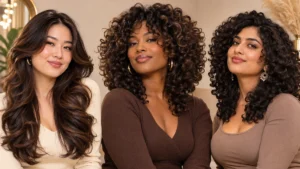
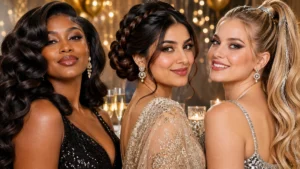
Matching your shade to your undertone is the single most practical thing you can do before you sit in that salon chair. A well-matched color and a mismatched one look completely different in photos and in person, and no amount of technical skill can fully fix a shade that works against your skin. Getting this right before you book is what separates genuinely flattering from "close but not quite."
The Vein Test
Look at the veins on your inner wrist in natural daylight, not under indoor lighting. Blue or purple veins mean a cool undertone, green veins mean warm, and a mix of both puts you in the neutral category. If your skin is olive, lean toward neutral or warm-neutral shades. Olive skin has a natural yellow-green quality that can make very cool tones look greenish or dull instead of polished.
Best Winter Shades by Undertone
| Undertone | Best Winter Shades |
|---|---|
| Warm | Vanilla Blonde, Honey Bronde, Cinnamon Swirl, Warm Chestnut |
| Cool | Espresso, Mushroom Bronde, Smoky Ash, Icy Platinum, Cool Beige |
| Neutral | Dark Chocolate, Toasted Almond, Golden Highlights |
| Olive | Warm Chestnut, Honey Bronde, Cinnamon Swirl |
The Winter Light Rule
Here's why winter calls for a different color strategy. Winter daylight is bluer and weaker than summer light, so your hair color literally photographs and reads differently during the colder months. Warm, golden tones that caught light beautifully in July can read brassy or flat on a gray December afternoon.
Dimensional color, with a mix of lighter and darker sections, creates visual depth that holds up in cool light in a way a flat single-process color just can't match. That's why the most successful winter hair color ideas lean toward rich, deep bases with glossy finishes or carefully placed highlights instead of one flat tone all the way through.
The 12 Winter Hair Color Ideas, Shade by Shade
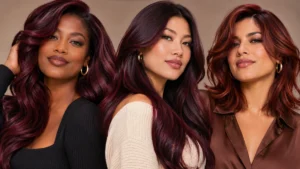
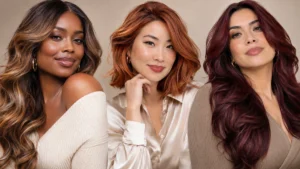
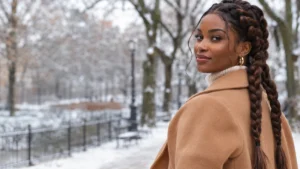
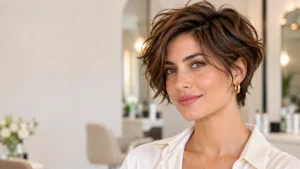
1. Espresso Brunette
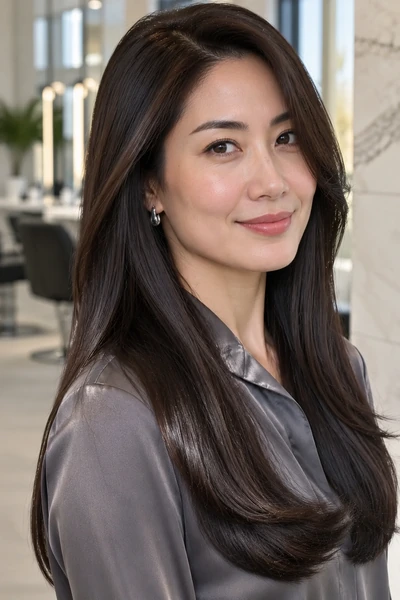
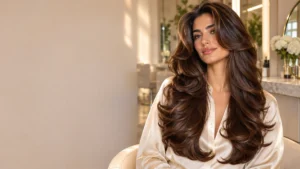
Espresso brunette is a deep, cool-neutral brown with a subtle blue-black quality and a glossy, light-catching finish. It's richer and darker than chocolate brown but warmer and less stark than true black, which makes it one of the most universally flattering dark shades for winter. The toning gloss is what gives espresso brunette its signature shine and depth, and without it the shade can read flat on fine or straight hair.
Best for: All skin tones. Works best on cool and neutral undertones without adjustment, and on warm undertones with a finishing warm toner added. Suits all hair types, though high-porosity or curly hair may need more frequent gloss appointments to maintain depth.
Maintenance: Low. Root touch-ups every 8 to 10 weeks. Add a gloss or toning treatment every 6 to 8 weeks to maintain shine and prevent warm fade between appointments.
Say at the salon: "I want a deep, cool-toned espresso brunette. Think dark brown with a slight blue-black quality, finished with a gloss for shine. No warm or red tones. Can you also tell me whether a root smudge would soften the grow-out as it comes in?"
Pro tip: Keep a blue-black toning shampoo in your shower and use it once a month. It's the easiest way to prevent the color from pulling warm between visits.
2. Vanilla Blonde

Vanilla blonde is a warm, creamy blonde with a soft yellow-cream tone that looks luminous and natural rather than bleached or high-contrast. It sits between honey blonde and platinum, with a buttery richness that makes it one of the most flattering blonde options for adding warmth in winter. The finish has real depth and dimension instead of the blown-out brightness of a full lightening job, which is exactly what makes it work for a wide range of starting points and skin tones.
Best for: Warm and neutral skin tones. Works on all hair types, though dark-haired women may need more than one appointment to reach the target tone, and fine hair benefits most from partial highlights rather than a full application to avoid over-processing.
Maintenance: High. Full lightening requires touch-ups every 8 to 12 weeks. Use a color-depositing conditioner in a warm blonde formulation every two weeks to prevent the tone from going flat between appointments, since dry winter air strips warm blonde tones faster than summer humidity.
Say at the salon: "I want a warm, creamy blonde. Buttery and dimensional, not icy or platinum. I want it to look like natural sun-kissed warmth. Given my current color history, can we talk about whether partial highlights or balayage makes more sense for my hair?"
Pro tip: Dry winter air strips warm blonde tones faster than summer humidity ever would. A color-depositing conditioner in a golden or warm blonde shade, used every two weeks, keeps the creaminess topped up without an extra salon visit.
3. Mushroom Bronde
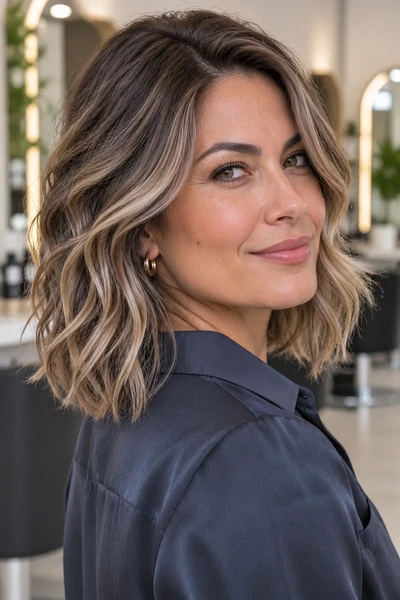
Mushroom bronde is a cool-neutral blend of brunette and blonde with a dusty, gray-beige quality that looks effortlessly natural and lived-in. Your base stays brunette, with ash blonde pieces blended throughout for dimension and that signature earthy, muted tone. It's distinctly different from mushroom blonde, which is lighter and blonde-dominant, and from mushroom brown, which is a toned all-over brunette with no highlights at all.
Best for: Cool and neutral skin tones. Works well on medium-to-thick hair where multiple tones read clearly; fine hair needs careful contrast placement to prevent the look from appearing flat or one-dimensional.
Maintenance: Medium-low. Balayage or foilayage placement grows out softly with minimal harsh lines. Use an ash or cool-toned shampoo weekly to prevent the ashy tones from pulling warm between appointments.
Say at the salon: "I want a cool-toned bronde. Dusty brown base with ash blonde pieces blended through. Nothing brassy or golden. I want it to look naturally dimensional and lived-in. Can you recommend whether this works better as a balayage or partial highlight for my hair type and density?"
Pro tip: Ask your colorist to show you swatches of mushroom bronde, mushroom blonde, and mushroom brown before the formula is confirmed. They look similar on a phone screen and very different on your head.
4. Icy Platinum Blonde

Icy platinum blonde is the most striking and highest-maintenance shade on this list. It's an almost white-blonde with a cool, blue-toned base that reads bold and high-contrast against your skin, and it's undeniably dramatic in winter light when you have a cool undertone complexion. This shade is a full commitment, so read the maintenance notes carefully before you decide.
Best for: Cool undertones and fair to light skin tones. Works on all hair types, but natural or color-treated dark hair requires multiple lightening sessions to reach this tone without damage.
Maintenance: Very high. Toner appointments every 4 to 6 weeks, purple shampoo every wash, and a weekly bond treatment are non-negotiable requirements. Expect this to be your highest-investment shade both at the salon and at home.
Say at the salon: "I want icy platinum with a blue-toned base. I want it as cool and white as possible without going yellow. Can you walk me through the full lightening plan and how many appointments we might need based on my current color history?"
Pro tip: Weekly bond-building treatments at home are non-negotiable at this level of lightening. They cut down breakage risk between visits and keep the tone looking fresh longer.
5. Warm Chestnut Brown
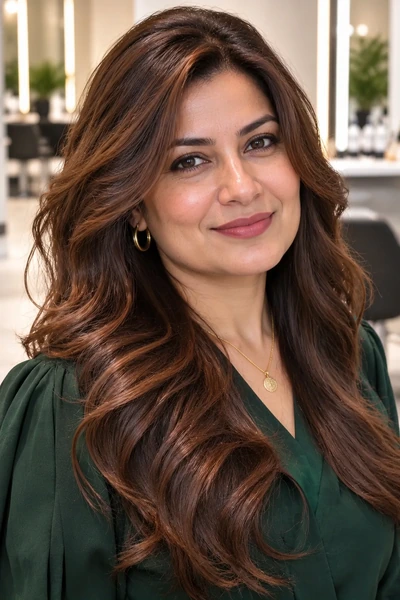
Warm chestnut brown is a rich, earthy brown with golden and reddish undertones that give it warmth and depth without reading as a stark red or a flat dark chocolate. It's one of the most universally flattering shades on this list because that warm, golden brown quality reads naturally against almost every skin tone and catches winter light with a beautiful reddish-gold shimmer. The shade works beautifully as a full single-process color or as a base with brighter chestnut pieces through the mid-lengths for added dimension.
Best for: All skin tones. Particularly flattering on warm, neutral, and olive complexions where the golden undertones complement the natural warmth of the skin without clashing.
Maintenance: Low. Single-process color that grows out gracefully without a harsh line of demarcation. Root touch-ups every 8 to 10 weeks. A warm-toned color-depositing conditioner used every two to three weeks keeps the red-gold shimmer fresh between appointments.
Say at the salon: "I want a warm chestnut brown. Rich and earthy, with warm golden and subtle reddish tones, but not a true red. I want it to look natural and dimensional, not flat or muddy."
Pro tip: Warm tones like chestnut tend to fade toward orange or copper without the right shampoo. Use a sulfate-free formula every wash and a warm gloss treatment every 6 weeks, and your depth stays consistent.
6. Honey Bronde
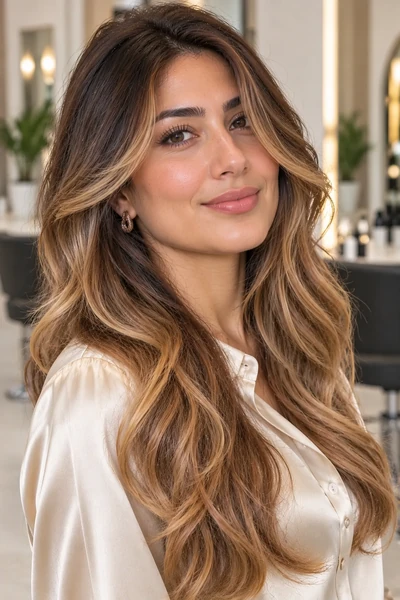
Honey bronde sits at the warmer, lighter end of the bronde family, with a golden honey quality running through the blonde pieces and a warm medium brown base underneath. It's a sun-kissed, dimensional look that feels natural and lived-in without the starkness of a full blonde or the heaviness of a full brunette, and the warm honey tone reads as genuinely glowing rather than brassy in cool winter light. That warmth is what makes it one of the most wearable options through the whole autumn-to-winter transition.
Best for: Warm and neutral skin tones. Works on most hair types; balayage placement suits medium-to-long hair best where the blended pieces can flow naturally through the length.
Maintenance: Medium-low. Balayage grows out gradually with minimal harsh lines. A warm gloss or toner every 8 weeks keeps the honey tone from pulling too golden or brassy as the color ages.
Say at the salon: "I want a honey bronde. Warm, golden blonde pieces on a medium warm brown base. I want it to look sun-kissed and natural. Can we do this as a balayage?"
Pro tip: Avoid purple shampoo with this shade. It will neutralize the warm honey tones you paid for. Use a hydrating color-safe shampoo instead, and save the purple toner only for if the highlights start reading too orange.
7. Smoky Ash Brown

Smoky ash brown is a cool, muted brunette with a gray-brown quality that photographs beautifully in winter light and reads as a sophisticated, modern take on natural brunette. There's no warmth in the base at all, and the naturally flat, cool finish is what a lot of people describe as the grown-up alternative to mushroom bronde. It needs precise toning to stay in the right neutral-cool zone without slipping into green or gray territory, so your colorist's approach to that toning step matters just as much as the base formula.
Best for: Cool skin tones. Works on all hair textures, though porous hair requires a bonding treatment at the color service to prevent the cool tones from fading quickly and pulling warm.
Maintenance: Medium. Toning appointment every 6 to 8 weeks. Use an ash or cool-toned shampoo weekly to prevent warm fade and maintain the smoky quality at home.
Say at the salon: "I want a smoky ash brown. Cool, muted brunette with a gray undertone. No warm, red, or golden tones at all. Can you walk me through how you will tone it to stay in the right cool zone without going green or flat?"
Pro tip: Ask your colorist to mix a demi-permanent formula rather than permanent for the toning step. It fades more softly and reduces the risk of a harsh line of demarcation as the color grows out between appointments.
8. Golden Vanilla Highlights
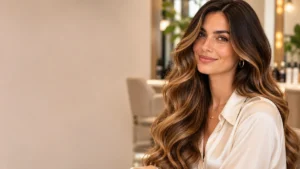
Golden vanilla highlights are warm, face-framing pieces with a soft golden cream tone that brightens your complexion and adds warmth without changing your whole base color. They go in strategically around your face to add dimension and a glowing quality, making this a lower-commitment option than a full color service while still delivering a real seasonal refresh. The result reads as natural winter warmth rather than a heavy highlight job, and the face-framing placement gives you the most visual impact for the least chemical processing.
Best for: Warm skin tones and all undertones when kept to face-framing placement. Works on all hair types; works particularly well on medium to dark brunette bases where the contrast is visible but not harsh.
Maintenance: Medium-low. Face-framing pieces grow out softly and can go 10 to 14 weeks between touch-up appointments without looking obvious. A warm-toned color-depositing conditioner keeps the golden tone fresh at home between visits.
Say at the salon: "I want warm, golden vanilla face-framing highlights. Soft and creamy, not icy or white-gold. I want them to look natural and add warmth around my face without changing the overall color of the rest of my hair."
Pro tip: Face-framing highlights at the front hairline and temples give you the highest visual impact with the least chemical processing. If you want that glow with minimal upkeep, this placement is the smart move.
9. Dark Chocolate Gloss
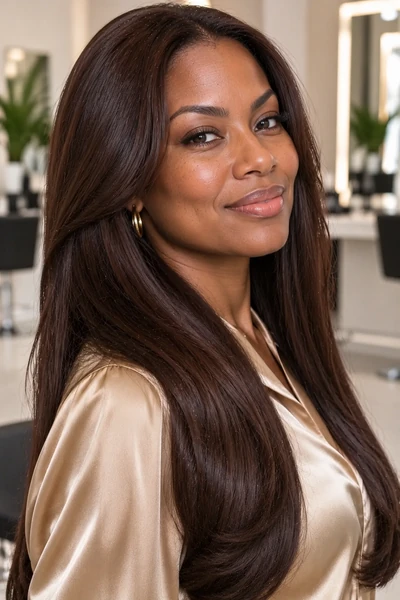
Dark chocolate gloss is a neutral-warm brunette with a rich, deeply pigmented brown base and a high-shine finish that makes the color look almost lacquered in winter light. It's a one-process color that really relies on that finishing gloss treatment for its signature depth and shine, and without it the shade reads as just an unremarkable dark brown. If you want noticeable richness without a dramatic change from your natural shade, this is your shade.
Best for: All skin tones. The neutral-warm balance means it flatters both cool and warm complexions without requiring adjustment. Particularly beautiful on medium-to-dark natural brunettes who want to deepen and polish what they already have.
Maintenance: Low. Single-process color grows out gradually with no harsh demarcation line. A gloss treatment every 8 weeks is the main upkeep requirement. A weekly bond-strengthening hair mask keeps the finish from dulling between visits.
Say at the salon: "I want a dark chocolate gloss. Rich, deep brown with a neutral-warm tone, finished with a high-shine gloss treatment. I want it to look almost lacquered. No red or orange undertones at all."
Pro tip: Dark chocolate gloss can be applied as a demi-permanent formula over your existing brunette shade to add depth and shine without lifting or changing your natural base, making it one of the gentlest color options on this entire list.
10. Cool Beige Blonde
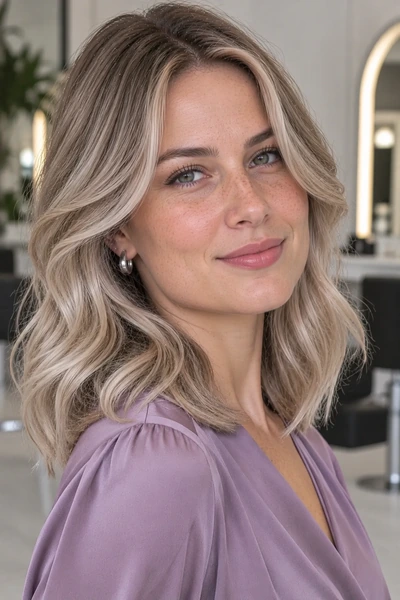
Cool beige blonde sits at the cooler, more neutral end of the blonde spectrum with a sandy, ash-beige tone that reads as sophisticated and understated rather than boldly blonde. It skips the warmth of vanilla blonde and the starkness of platinum, landing in a soft, muted middle ground for women who want to go blonde without the intensity of a warmer or icier tone. The finish looks natural and dimensional when done as a balayage or highlights rather than an all-over formula, so how your colorist applies it matters just as much as the shade.
Best for: Cool and neutral skin tones. Works on naturally lighter hair or already-lightened bases; dark-haired women will need significant lightening to achieve this tone and should plan for multiple appointments.
Maintenance: High. Regular toning every 6 to 8 weeks is essential to prevent the beige tone from pulling warm or yellow. Purple shampoo used one to two times per week helps maintain the cool base at home between salon visits.
Say at the salon: "I want a cool beige blonde. Sandy and neutral, not warm or golden, but not icy either. I want it dimensional. Can you do this as a balayage or highlights rather than an all-over color?"
Pro tip: Cool beige blonde can tip toward looking flat if the formula is applied all over at the same depth. Ask your colorist to vary the depth of the highlights so some pieces are lighter and some are slightly darker, creating the dimensional quality that makes the shade look naturally multitonal.
11. Cinnamon Swirl Brunette
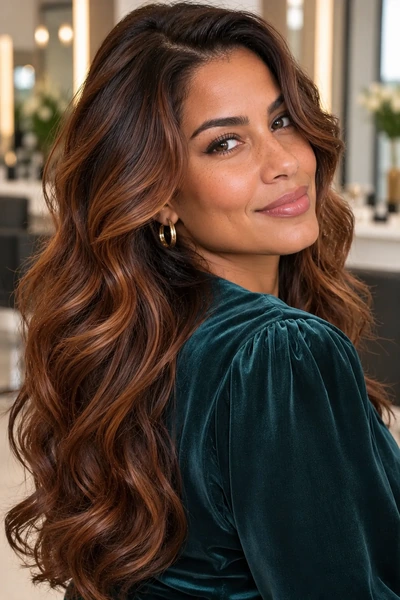
Cinnamon swirl brunette is a warm, dark brunette base with swirls of amber, copper, and reddish-cinnamon tones blended through for depth and warmth. It's richly dimensional and reads as naturally multitonal without the high-contrast starkness of highlights, and that warm cinnamon quality gives the color a glowing depth in winter light that flat, single-process brunettes just can't match. This one is for women who want a bolder warm brunette with visible movement and richness throughout.
Best for: Warm to medium-deep skin tones. The warm, spiced tones complement golden, peachy, and olive complexions especially well. Works on all hair textures but reads most dramatically on thicker hair where the dimensional swirl effect is most visible across the length.
Maintenance: Low-medium. The warm tones need protection from hot styling tools and sulfate shampoos. A warm gloss treatment every 8 to 10 weeks keeps the cinnamon depth from fading to a flat, muddy brown between appointments.
Say at the salon: "I want a cinnamon swirl brunette. Dark warm brown base with amber and cinnamon swirls blended through for depth. I want it to look naturally multitonal and warm, not like obvious highlights. Think rich and dimensional."
Pro tip: Ask your colorist to use a foilayage technique rather than balayage for this shade. The foilayage process allows more controlled placement of the warmer pieces, which creates the specific swirled effect rather than a generalized warm lift across the whole length.
12. Toasted Almond Bronde
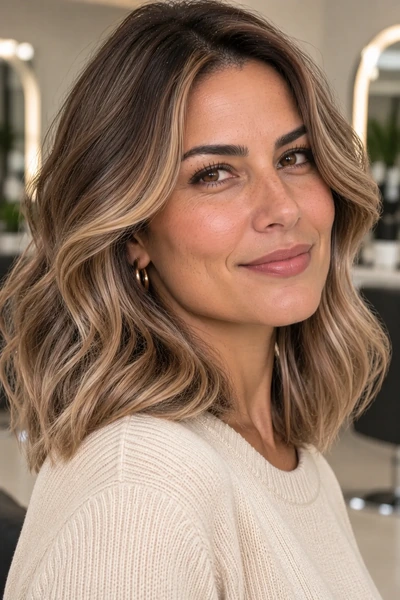
Toasted almond bronde is a neutral, warm-meets-cool blend of medium brown and blonde with a soft, earthy quality that sits comfortably between the warmer honey brondes and the cooler mushroom brondes. The tone is neutral enough to work for a range of undertones without any adjustment, and that toasted quality gives the color a natural depth that photographs as lived-in and effortless. If you're trying bronde for the first time, this is a great starting point, because the neutral tone gives you room to adjust warmer or cooler at your next appointment once you see how it sits.
Best for: Neutral skin tones, though it is flexible enough for warm-neutral and cool-neutral complexions. Works on medium-to-thick hair; fine hair should ask for lighter, more spaced-out pieces to avoid a heavy blended look.
Maintenance: Medium-low. Balayage grows out gradually with minimal harsh lines. A toning gloss every 8 to 10 weeks keeps the blend looking intentional rather than faded. No strong purple or warm shampoo is needed: a balanced color-safe formula is enough for daily maintenance.
Say at the salon: "I want a toasted almond bronde. Neutral, earthy medium brown and blonde blend. Not too warm, not too cool. I want it to look naturally dimensional and effortless."
Pro tip: Toasted almond bronde is one of the most forgiving shades as it grows out. If your budget is tight, a balayage placement that starts 3 to 4 inches from the root gives you an extra 4 to 6 weeks before the grow-out is noticeable.
Your Salon Booking Checklist
A good color result starts long before you sit in the chair. These five steps set your appointment up for success and reduce the chance of that disappointing "close but not quite" outcome.
- Choose your shade before you book. Arrive with your top two or three shade options already narrowed down. Bring two reference photos: one for the shade inspiration and one for the finish or texture you want, such as glossy versus matte or dimensional versus uniform.
- Know your full color history. Write it down before the appointment: your natural shade, any box dye you have used, previous bleach or lightening services, and the date of your last color appointment. Colorists need this information to know what is achievable in a single session and what will need to be staged.
- Book enough time. Ask your salon to schedule a double appointment if you are going lighter by more than two shades or switching from a significantly different color family. Rushed appointments are one of the most common causes of disappointing results.
- Mention sensitivities upfront. If you have scalp sensitivity, allergies, or any conditions affecting your scalp, let the front desk know when you book so your colorist can adjust developer strength before the appointment begins.
- Plan for aftercare from day one. Ask your colorist to recommend specific products for your new shade before you leave. The first wash sets the tone for how long the color stays vibrant, and using the wrong product in week one can undo weeks of maintenance effort.
Winter Hair Color Maintenance Calendar
| Timing | What to Do | Why |
|---|---|---|
| Week 1 | Use color-safe shampoo only | Lock in pigment |
| Week 3-4 | Apply a color-depositing conditioner | Refresh vibrancy |
| Week 6 | Book a gloss or toner if needed | Fight brassiness |
| Week 10-12 | Full color refresh or root touch-up | Maintain the look |
Sticking to this schedule matters a lot in winter, when cold outdoor air and dry indoor heating speed up color fade faster than any other season. The week 6 gloss appointment is the most skipped step, which is a shame because it's also one of the most useful. It costs significantly less than a full color service, takes about 20 minutes at the salon, and can stretch your original color by four to six extra weeks. For darker shades like espresso brunette and dark chocolate gloss, the week 3 to 4 color-depositing conditioner is optional but makes a noticeable difference in richness and depth.
For long hair styling ideas once your new winter color is in, hairstyles over 40 is a great companion guide since a refreshed color and a great cut work far more powerfully together than either does on its own.
Frequently Asked Questions

What Winter Hair Color Is Best for Warm Skin Tones?
The best winter hair color ideas for warm skin tones include Warm Chestnut Brown, Honey Bronde, Cinnamon Swirl Brunette, and Vanilla Blonde. All four shades have warm or golden undertones that complement the natural warmth in golden, peachy, and olive complexions without clashing or reading muddy. If you are unsure whether your undertone is warm or neutral, the vein test is a reliable starting point: green veins on your inner wrist are a consistent indicator of a warm undertone, while a mix of blue and green usually means you are neutral enough to try shades from either column.
How Do I Find My Undertone for Winter Hair Color?
The quickest method is the vein test: check the veins on the inside of your wrist in natural daylight rather than indoor lighting. Blue or purple veins indicate cool undertones, green veins indicate warm undertones, and a mix of both means neutral, which is the most flexible undertone category of all. For olive skin tones, the answer is usually warm-neutral, and the safest winter shades are those with a neutral or warm-neutral base, such as Warm Chestnut Brown or Toasted Almond Bronde, which tend to complement olive complexions without the green-tinted dullness that very cool shades can produce.
What's the Most Low-Maintenance Winter Hair Color?
Espresso Brunette, Warm Chestnut Brown, and Dark Chocolate Gloss are the lowest-maintenance options on this list. All three are single-process colors that grow out gradually without a harsh line of demarcation, and they require only a gloss treatment every 8 to 10 weeks to stay looking fresh and vibrant. If you want to minimize salon visits and ongoing costs while still making a noticeable seasonal shift, any of these three shades is a smart, practical choice that delivers a polished result with the least upkeep commitment.
Can I Do Winter Hair Color at Home?
For darker, single-process shades like Espresso Brunette, Dark Chocolate Gloss, or Warm Chestnut Brown, an at-home color kit is a reasonable option if you are maintaining or deepening an existing shade that is close to your natural base. For anything involving significant lightening, blonding, or complex techniques like balayage or foilayage, a professional colorist is strongly recommended, since the risk of uneven results, brassiness, or damage increases considerably without professional training and product access. If you plan to use any at-home toning product and have a history of scalp sensitivity, the American Academy of Dermatology recommends completing a patch test at least 48 hours before full application AAD safe hair coloring guide.
How Often Do I Need to Touch Up Winter Hair Color?
Touch-up frequency depends on the shade and application technique. Single-process darker colors like Espresso Brunette and Warm Chestnut Brown typically need root touch-ups every 8 to 10 weeks, while balayage and foilayage shades like Honey Bronde and Mushroom Bronde can go 10 to 14 weeks between full touch-up appointments since the blended placement grows out without a sharp line. Platinum and lighter blondes require the most frequent maintenance, with toner appointments every 4 to 6 weeks, and a weekly bond treatment and purple shampoo routine at home to keep the tone in the right zone between visits.
Choosing the right winter hair color ideas gets a lot easier once you know your undertone, understand the maintenance commitment before you book, and walk in with the right words to describe what you want. All 12 shades here can be described precisely to your stylist using the scripts above, so you don't have to guess or leave the interpretation to chance. Save this guide before your next salon visit, and use it alongside holiday updos to plan everything from the color to the styles you'll wear once it's in.
Your email address will not be published. Required fields are marked *