

The right hairstyle for women over 60 is not about looking younger. It is about finding a cut that works with your actual hair texture, your daily routine, and the amount of time you want to spend in front of the mirror. This post collects 35 easy hairstyles for women over 60 and sorts them by hair type and honest maintenance effort, so you can walk into the salon with a clear plan rather than a vague wish.
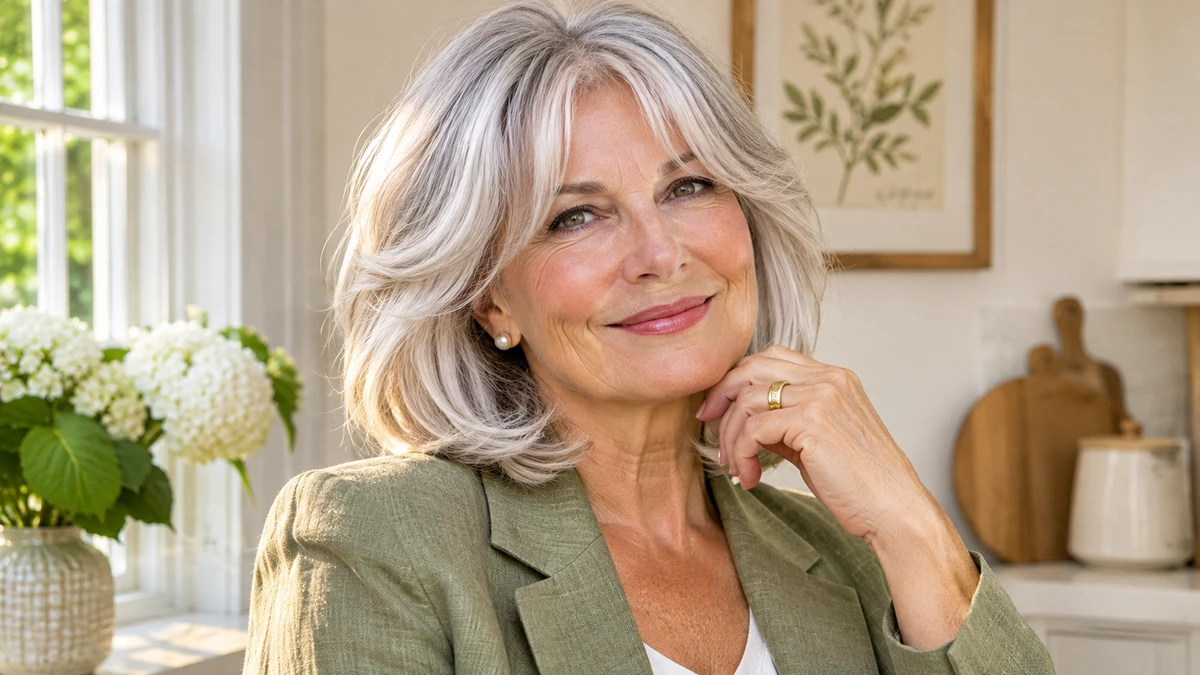
Styles here are grouped into four main categories: short cuts, medium-length options, fine and thinning hair solutions, and gray and silver hairstyles. Each section carries a Maintenance Effort Rating so you can compare trim frequency and daily styling time at a glance. The post closes with the exact words to say to your stylist for each major category.
Short Hairstyles for Women Over 60
Short Hairstyles for Women Over 60
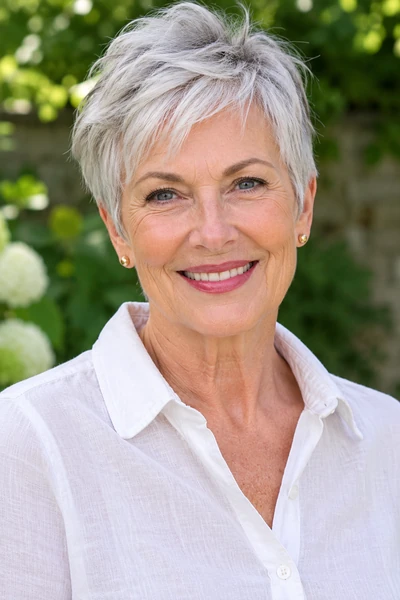
Short haircuts remain the most popular choice in this category for good reason: they require the least daily effort once you find the right shape for your face and texture. The options below cover everything from a close-cropped pixie to a looser, layered bixie, each with a different trim schedule and styling commitment. If you are new to short hair, many of these cuts first gained popularity with haircuts over 50 before becoming signature looks for women well into their 60s and 70s.
The Pixie Cut
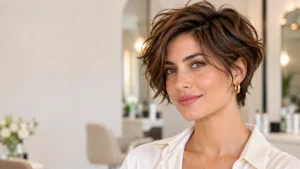
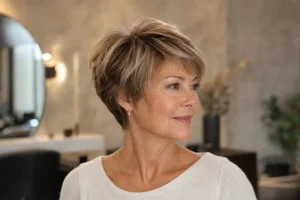
The pixie cut is one of the most efficient choices on this entire list, and that is exactly why it stays popular with women who want style without fuss. It works especially well on fine or straight hair because removing length gives the crown room to lift and look fuller without relying on product. A volumizing mousse applied at the roots and scrunched in while the hair is still damp is all most pixies need before a quick air-dry or a few seconds with a diffuser on low heat.
Trim schedule: every 4 to 6 weeks. Once a pixie grows past its intended shape, it reads more like an unkempt medium cut than a deliberate style, so staying on top of appointments is the main ongoing commitment here. The upside is that each appointment is typically shorter and often less expensive than a full-length cut, since there is simply less hair to manage.
Maintenance Effort Rating: Trims every 4 to 6 weeks | Under 5 minutes of daily styling | Volumizing mousse or light pomade at home
This cut suits oval and heart-shaped faces particularly well. An asymmetric front piece or a longer section swept to one side can also soften a squarer jaw without adding bulk at the sides. If you are unsure which variation works best for your face, bring two or three reference photos to your appointment and ask your stylist to point out which top-length will be most flattering before the cutting begins.
The Short Bob and Inverted Bob
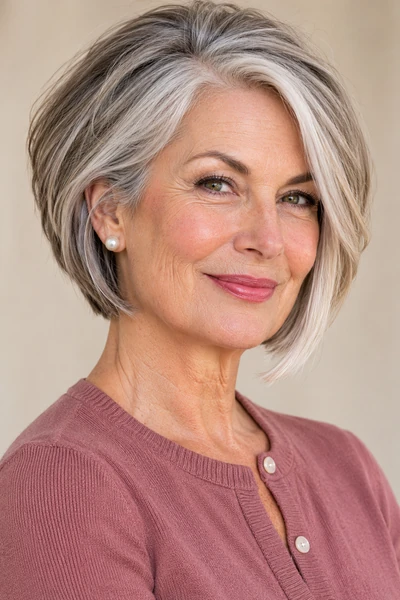
A short bob that sits at or just below the jaw suits most face types, and the inverted version adds a built-in lift at the nape that keeps the style from falling flat by midday. Both cuts work beautifully on straight and wavy hair and hold a blowout for two to three days when finished with a light-hold spray. The inverted bob in particular has a clean, graphic quality that looks intentional and modern without requiring heavy styling.
Styling a bob blowout takes about 10 to 15 minutes with a round brush and a medium-heat dryer. On non-blowout days, day-two and day-three hair in a bob is often better than fresh wash day, because the natural oils soften the blowout into something more lived-in and relaxed. A quick brush-through and a light mist of hold spray refreshes the shape in under two minutes without any additional heat.
Maintenance Effort Rating: Trims every 6 to 8 weeks | 10 to 15 minutes on blowout days | Light-hold spray or smoothing serum to maintain shape between washes
The Short Shag and Bixie
The short shag and bixie suit women who want texture and movement without committing to a strict pixie trim schedule. Layers in a shag grow out more gracefully than the clean lines of a classic pixie, which means you can stretch trims to every 8 to 10 weeks without the style losing its shape. Adding face-framing layers or wispy bangs gives the shag a soft, relaxed quality that pairs well with both natural gray and colored hair, and the result feels casual in the best possible way.
The bixie sits slightly longer on top than a traditional pixie but shorter than a chin-length bob, giving enough length to add volume at the crown while keeping the sides and nape cropped for a clean silhouette. This makes it an excellent entry point if you have been curious about going short but are not yet ready to commit fully to a pixie. Both cuts are finger-styling friendly, which means you can skip the heat tools on most mornings.
Maintenance Effort Rating: Trims every 8 to 10 weeks | 5 to 10 minutes with a texturizing spray | No heat tools required for everyday wear
Medium-Length Cuts for Women Over 60
Medium-Length Cuts for Women Over 60


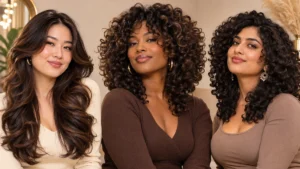
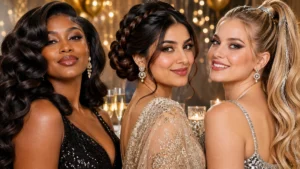
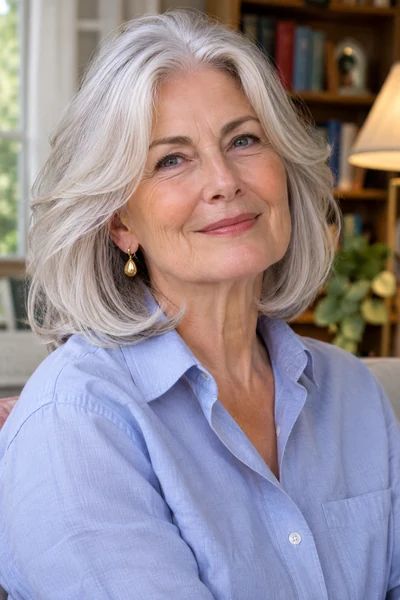
Mid-length gets underestimated. A well-cut lob or layered shag at shoulder length can require fewer salon visits than a pixie and still look polished every day. The key is choosing the right layer placement for your hair texture so the cut works with your hair rather than fighting it.
The Layered Lob
A layered lob, which sits between the shoulder and collarbone, works well for most face shapes and hair textures. Face-framing layers add softness and volume without removing bulk from the overall length, which means the style works on fine, medium, and wavy hair types without looking limp or heavy. You will need a trim every 8 to 10 weeks to keep the ends looking healthy and the layers from blending into one shapeless, undifferentiated length.
To look its best, the layered lob typically benefits from a round-brush blowout once or twice a week. On non-blowout days, a light smoothing serum and a few minutes with a wide-tooth comb keep things tidy without requiring much effort. This is an honest trade-off: less trim frequency than a pixie, but a regular blowout commitment.
The Shoulder-Length Shag with Curtain Bangs
A shoulder-length shag with curtain bangs is one of the most movement-friendly cuts on this list, especially for fine or medium-density hair that tends to look flat by midday. The soft layers lift the mid-shaft of the hair and prevent the dead-weight look that a blunt one-length cut can produce by afternoon. Curtain bangs are particularly forgiving because they can be worn swept to the sides, pinned back on a busy morning, or grown out gradually if you decide they are not for you.
This cut air-dries well, which makes it a reliable low-effort daily routine for most women. A diffuser speeds up drying and adds volume if you have a few extra minutes, but the layered structure of the shag does most of the work on its own. Most women who switch to a shoulder shag report cutting their daily styling time in half compared to a one-length cut of similar length.
Maintenance Comparison: Layered Lob vs. Shoulder Shag
| Style | Trim Frequency | Daily Styling Time | Home Upkeep |
|---|---|---|---|
| Layered lob | Every 8 to 10 weeks | 10 to 15 min (blowout 1 to 2 times weekly) | Light serum, round brush |
| Shoulder shag with curtain bangs | Every 8 to 10 weeks | 5 to 10 min (air-dry friendly) | Texturizing spray, diffuser optional |
Hairstyles for Fine and Thinning Hair Over 60
Hairstyles for Fine and Thinning Hair Over 60
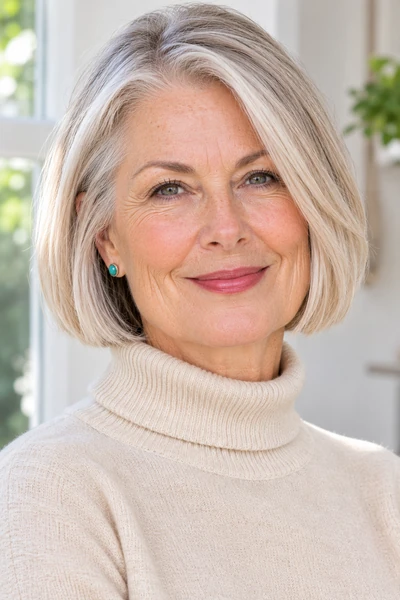
Fine hair is one of the most common concerns for women in this age group. The good news is the right cut makes a visible difference. Hair follicles naturally produce a finer strand and grow more slowly with age.
According to the American Academy of Dermatology, this is a normal and extremely common change that affects the vast majority of women as they get older. The right cut makes a real difference in how much volume and movement you see each day. Choosing a style designed specifically for fine or thinning hair means working with these changes rather than fighting them, which produces a result that looks better with less effort.
Best Cuts for Fine Hair
The short layered pixie is the single most effective cut for fine hair over 60. Removing length eliminates the dead weight at the ends that makes fine hair look limp, and soft layers at the crown create the visual impression of thickness without product overload. If a pixie feels like too much of a commitment, a chin-length blunt bob is a strong second choice: the blunt edge creates a line of density that tricks the eye into seeing fuller hair from the front and the sides.
If you prefer more length, a lob works well for fine hair as long as the layers are kept subtle and placed invisibly underneath rather than throughout the surface. Too many visible layers remove weight from the top section, which is exactly where fine hair needs density the most. For curated fine hair styles that specifically target volume, shorter cuts consistently outperform longer ones because there is less length pulling the hair down away from the scalp.
What to Avoid
One-length cuts past the shoulder are the most common styling mistake for fine hair, because the uniform weight pulls the style flat and eliminates any volume built during the blowout. Blunt cuts at the shoulder blade or longer without any internal layers fall into this category and tend to look thinner as the day goes on. A good stylist uses invisible or feathered layers underneath the surface to create movement and lift without visibly thinning the top.
Heavy one-length bobs past the chin can also be a problem if the hair is fine and lacks density. In those cases, a slight graduation or a few face-framing layers at the front makes all the difference in how the style holds its shape between washes. Even a subtle internal layer placed invisibly underneath the top section introduces movement without removing the surface weight that fine hair needs to look full.
Scalp Care Basics for Aging Hair
Most hairstyle guides skip scalp care entirely. That is a mistake. Healthy hair starts at the root, and a few simple habits make a real difference in how your style holds throughout the day. Add these steps and notice the change within a few weeks:
- Use a gentle volumizing shampoo that cleans without stripping natural moisture from the scalp or the strand.
- Practice a two-minute scalp massage during each wash to encourage circulation and loosen product buildup at the roots.
- Apply a lightweight root-lift spray or leave-in conditioner to mid-lengths and ends only, keeping the scalp and roots free of heavy product.
Avoid applying heavy conditioning treatments directly to the scalp or roots if your goal is volume, since this is the fastest way to weigh fine hair flat before the day has even started. Apply any conditioning product from the mid-lengths down, focusing on the ends where dryness and breakage are most likely. Keeping the scalp and root area clean and free of heavy products gives your blowout the grip it needs to lift and hold through the day.
Maintenance Effort Rating for Fine Hair: Shorter styles are consistently easier because flatness is less visible at shorter lengths. Aim for pixie or bob length, trim every 4 to 8 weeks depending on how fast your hair grows, and keep daily styling to a single volumizing product applied at the roots.
Gray and Silver Hairstyle Ideas for Women Over 60

Gray and Silver Hairstyle Ideas for Women Over 60
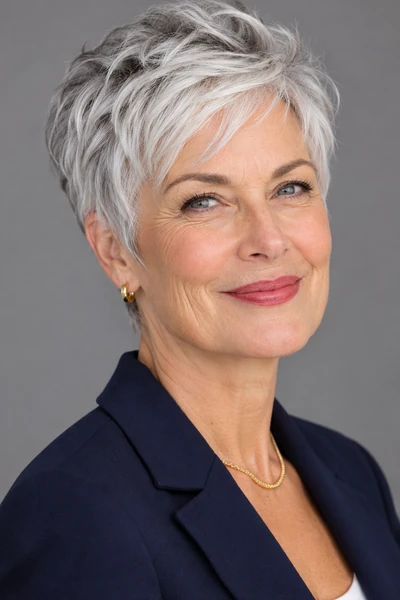
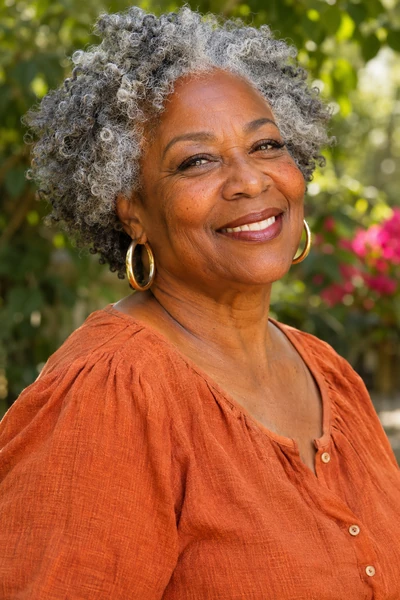
Going gray is a style decision, not a forfeit. For gray hair, the cut matters more than any color treatment or toning product. Silver strands tend to be coarser and more porous than pigmented hair, and Healthline notes that hair structure itself changes with age, making the ends more prone to dryness and the overall strand less smooth. A well-placed cut removes the dullest ends and shapes the hair so the silver catches light cleanly and reads as intentional, not neglected.
Best Styles for Gray Hair
A soft layered pixie works particularly well with silver hair. Shorter lengths let the full tonal range show clearly, from bright white at the roots to deeper pewter through the mid-section. A textured bob with wispy ends is another excellent option; the texture breaks up the coarser strand quality that gray hair can have and removes visual bulk while keeping a polished silhouette. A shoulder-length shag with soft face-framing layers is the best medium-length choice for gray hair, as the movement prevents the flatness that a one-length cut almost always produces on coarser gray strands.
Transition-to-Gray Roadmap
Growing out colored hair comes up constantly, and the usual advice to "embrace your natural color" does not help much. Here is a four-step roadmap that actually works for most hair types:
- Decide on your approach. You can grow out cold turkey, letting the natural line appear on its own schedule. Or you can ask your colorist for a gradual blend using highlights or lowlights that soften the contrast between your natural gray roots and your existing color as it grows out.
- Ask for a transitional cut. Request a cut specifically designed to remove the harshest color line, which is the most visually obvious point where gray roots meet older tint. This keeps the grow-out looking deliberate rather than accidental.
- Use a toning shampoo. A purple or blue toning shampoo neutralizes brassiness that appears in the mid-lengths during a color transition. It does not repair hair, but it keeps the overall tone clean and consistent between salon visits.
- Trim every 6 weeks during the grow-out. More frequent trims keep the demarcation line sharp and tidy so the transition reads as a style choice rather than an unfinished project.
Coily and Natural Textured Gray Hair
For a full library of short and mid-length options, our gray haircuts guide covers the most flattering cuts for natural gray hair in one dedicated post. Gray coils and natural curls are beautiful and deserve more space in hairstyle inspiration than most guides currently give them. Coily gray hair needs a moisture-first approach because both gray strands and coily textures are prone to dryness, and the combination amplifies that tendency significantly. A wash-and-go short curl, defined with a creamy curl-enhancing styler and left to dry without manipulation, is a low-effort option that works especially well for active women who do not want a complicated daily routine. A protective style such as a low twist-out or a pinned-up wash-and-go extends the time between manipulation, keeps the hair looking polished, and reduces breakage at the fragile gray strand tip.
Low-Maintenance Styles Matched to Your Lifestyle
Low-Maintenance Styles Matched to Your Lifestyle
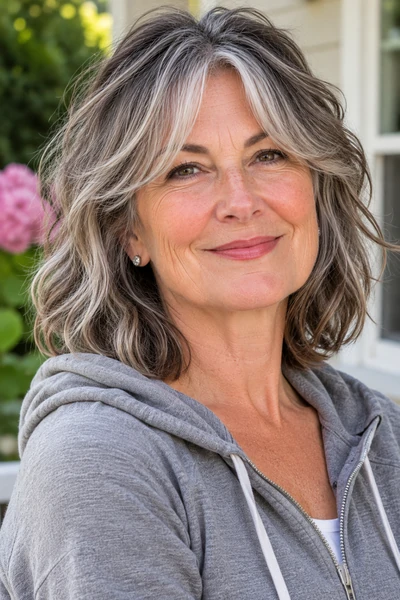
The best easy hairstyles for women over 60 are the ones that fit your actual daily routine. A style that photographs well but takes 45 minutes every morning is not a realistic choice. Here is a quick selector based on three real daily scenarios that map to the cuts covered throughout this post.
Active and On the Go: If your mornings involve a gym session, a walk, or a schedule that does not leave time for heat styling, a short pixie or a chin-length bob is the most practical choice in the entire list. Both air-dry in 20 to 30 minutes, require minimal product, and look clean and intentional even without any heat tool involvement. A simple scrunch with a lightweight texturizing spray is all you need to step out the door looking put-together and ready for whatever comes first.
Retired and Relaxed: If you have more time in the morning but prefer a routine that does not feel like work, a layered lob or a medium shag gives you genuine options without unnecessary demands on your schedule. These styles can be diffused for volume, air-dried for a softer look, or pinned back with a clip on day two and still look entirely intentional. The lob in particular tends to look better on day two and day three when the blowout has relaxed into something more naturally tousled and lived-in.
Professional and Office-Ready: A sleek lob or blunt bob is the clearest path to looking consistently polished at work without styling from scratch every single morning. Both cuts hold a proper round-brush blowout for two to three days, which means you can invest time once or twice a week and coast on that effort the rest of the time. A light hold spray applied to dry hair and a few seconds under the dryer on non-wash days refreshes the shape without requiring a full styling session.
All three lifestyle types benefit from a weekly deep-conditioning treatment, especially if your hair is gray, color-treated, or both. Looking for more options that cross age groups? Browse our full collection of short haircuts for styles that work equally well in your 50s and your 60s.
What to Tell Your Stylist for Each Look
What to Tell Your Stylist for Each Look
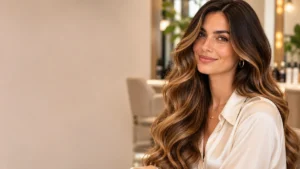

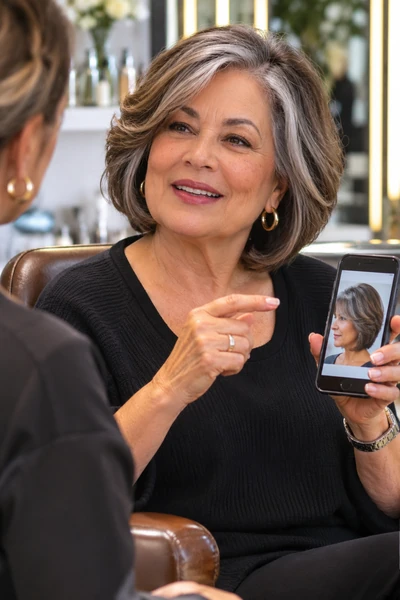
Walking in with the right language is as important as bringing a reference photo. A clear verbal brief helps your stylist understand the texture, face-framing, and maintenance level you are aiming for, not just the general shape of the cut. Here are four specific scripts, one for each major category covered in this post, so you can walk in prepared.
Short Pixie or Bixie
"I want a textured pixie with soft, feathered layers around the face. Leave a bit of length on top for volume and do not cut the sides too close. I want to be able to style it with my fingers and not need to come in more than once every five to six weeks."
Show a photo alongside this request and be specific about how much length you want to keep on top, since the top-length decision affects both the volume and the required trim frequency more than anything else. If your reference photo shows a very close-cropped pixie but you want something less demanding, ask your stylist to interpret it with a little more length on top. That adjustment alone changes the daily styling commitment significantly without sacrificing the core shape.
Bob or Inverted Bob
"I want a jaw-length bob with a slight inversion at the back for shape. Please add face-framing layers but keep the front pieces long enough to tuck behind my ear. I want it to air-dry reasonably well without needing a full blowout every morning."
Show a photo alongside this request and mention whether you prefer a soft, natural finish or a sleeker, more structured look, since that changes how the ends are cut and texturized. Your stylist will take the bob either direction, but knowing upfront saves time and avoids the gap between what you envisioned and what you see in the mirror. If you are not sure which finish you prefer, ask your stylist to show you both techniques during the consultation before any cutting begins.
Layered Lob for Fine Hair
"I want a long bob at collarbone length with soft invisible layers underneath to add movement. Please do not layer the top too heavily because I have fine hair and I need weight at the top to avoid flatness. I want to be able to blowout my roots for volume and have that hold for at least two days."
Show a photo alongside this request and mention your hair texture explicitly so your stylist can adjust the layer placement and density accordingly, since fine hair and medium-density hair require quite different approaches. Fine hair benefits from fewer, more invisible layers concentrated underneath the top section, while medium-density hair can handle more visible movement throughout. Sharing this detail upfront is the fastest way to avoid leaving with a style that looks great in the reference photo but flat by day two on your actual hair.
Gray Grow-Out Cut
"I want a transitional cut that helps blend my color line. Please remove the harshest contrast between my colored ends and my gray roots. I want soft layers that let the grow-out look intentional over the next few months, so it reads as a choice rather than a work in progress."
Show a photo alongside this request and ask your stylist to walk you through a realistic grow-out timeline given your current length and natural growth rate. That conversation will help you decide whether to add highlights for a gentler transition or commit fully to growing it out on its own. Having a clear timeline also means you can plan your appointment schedule so each trim actively advances the look rather than simply maintaining it.
Quick Face-Shape Guide
Use these notes to refine your stylist conversation before you sit in the chair. For a full breakdown of which cuts suit your specific shape, visit our face shape guide before your next appointment. The list below is a quick reference so you leave the salon with a cut that actually works for your proportions, not a generic style chosen without them in mind.
- Oval: Most cuts work well, including all four categories covered in this post.
- Round: Avoid very round bobs without any height variation; add lift on top or a side part to create length in the face.
- Square: Soften the jawline with curtain bangs or wispy, feathered ends rather than blunt cuts that emphasize the angles.
- Heart: Chin-length and longer cuts balance a wider forehead; very short styles that draw attention upward tend to be less flattering.
- Long: Avoid very short pixies that exaggerate the face's vertical length; a textured bob or lob with volume at the sides is a much stronger choice.
Save this post to your Pinterest board before your next salon visit, then check out our gray haircuts guide and haircuts over 50 for even more ideas to bring to your stylist. Pick the one that matches how you actually live, book the appointment, and bring these notes with you. The right cut does not need to be complicated or expensive to maintain; it just needs to fit your hair, your schedule, and the way you actually want to spend your mornings.

Your email address will not be published. Required fields are marked *