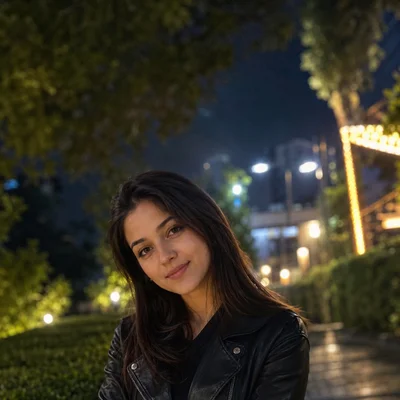
Hair in your 40s feels different because it is different. Thinning, texture shifts, and changes in density are all completely normal, and they directly affect which cuts look good on you. This guide to hairstyles for women over 40 is organized around those changes, from short hairstyles for women over 40 to longer layered styles, with face shape notes, texture guidance, and the exact words to use at your next salon visit.
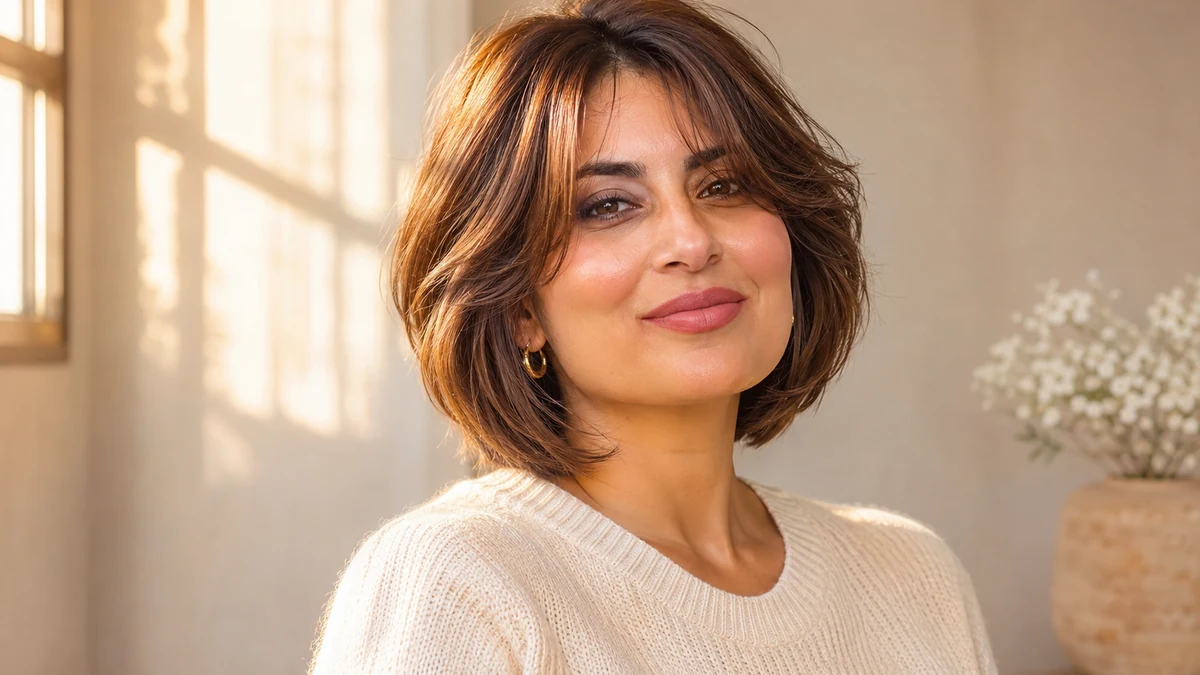
These 35 styles are sorted by length so you can skip straight to the tier that works for your current hair. Each entry tells you who a style suits, why it works specifically for post-40 hair, and how much maintenance to expect. Scroll down and find your cut.
How Hair Changes After 40 (and Why It Matters for Your Next Cut)
How Hair Changes After 40 (and Why It Matters for Your Next Cut)
After 40, hair follicles produce finer, less dense strands, so styles that rely on bulk and weight — like heavy one-length cuts — often look flat. Volume-boosting shapes and layered cuts with movement at the crown work far better. Hormonal shifts during perimenopause and menopause also drive thinning at the crown and temples, so it helps to ask your stylist for cuts designed to lift and frame rather than expose thinning areas.
Graying strands tend to be coarser or wirier than pigmented ones, which changes how layers fall — a style that worked in your 30s may behave differently now. Dryness and porosity also increase after 40, meaning heat styling has a bigger impact on the hair shaft. Air-dry-friendly cuts are often a genuinely protective choice, not just a convenience.
35 Hairstyles for Women Over 40 Organized by Length
35 Hairstyles for Women Over 40 Organized by Length

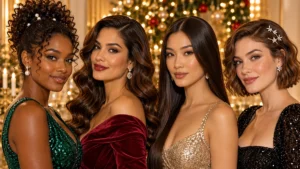
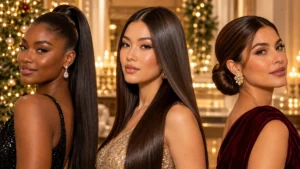
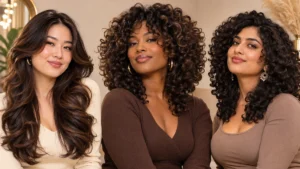
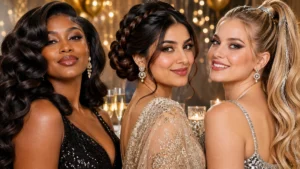
Short Hairstyles for Women Over 40
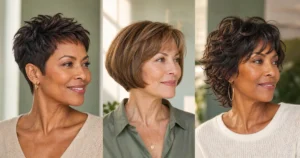
Short cuts are some of the most flattering haircuts for women over 40, particularly for fine or thinning hair where removing excess length can add visible density and shape. If you have fine hair styles that tend to go flat by midday, a shorter cut may be the single most effective change you can make. Short styles also tend to require less heat styling, which means less daily heat on already fragile strands.
1. Textured Pixie Cut
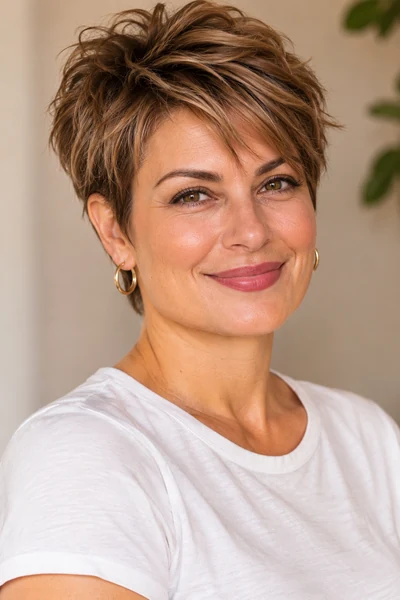 pixie cut for women over 40 with fine hair, volume at crown, modern styling” class=”wp-image-4451″ width=”400″ height=”600″/>
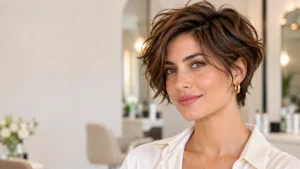
The textured pixie is one of the best short hairstyles for women over 40 with fine or medium hair because it removes heavy ends and redirects volume to the crown where most women lose density first. Ask your stylist for disconnected layers through the top and a tapered nape that keeps the shape looking clean and intentional. A small amount of texturizing paste or light-hold pomade through the top is all the daily styling this cut typically needs.
2. Choppy Pixie With Side-Swept Fringe
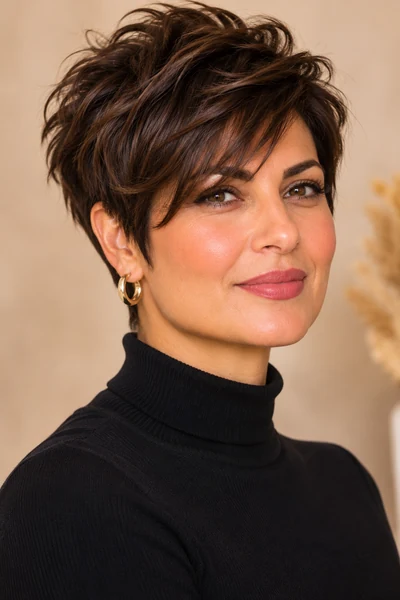
A side-swept fringe softens the forehead and breaks up a high hairline, making this variation particularly flattering for heart-shaped and oval faces over 40. The choppy texture throughout the top and sides adds visual fullness without relying on product or heat to achieve. This is a strong option for women who want a modern, editorial feel without committing to a super-short nape.
3. French Bob (Chin-Length Blunt)
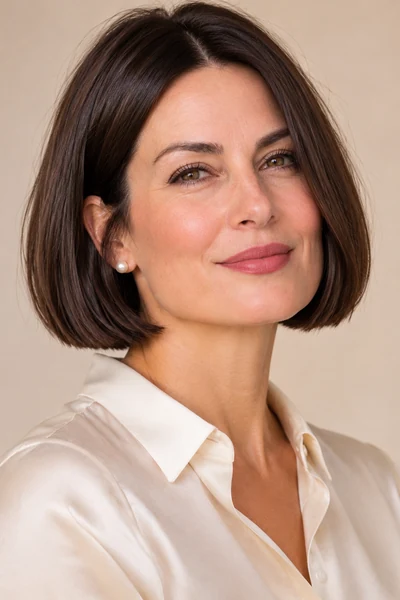
The French bob sits right at or just above the jaw and has a clean blunt line across the bottom that creates the appearance of thicker hair, which is exactly why it works so well for fine-haired women over 40. The blunt edge adds visual weight at the ends, countering the flatness that often comes with reduced density in this age group. It suits oval and oblong faces best and pairs beautifully with a center or slightly off-center part.
4. Graduated Bob (Stacked Back)
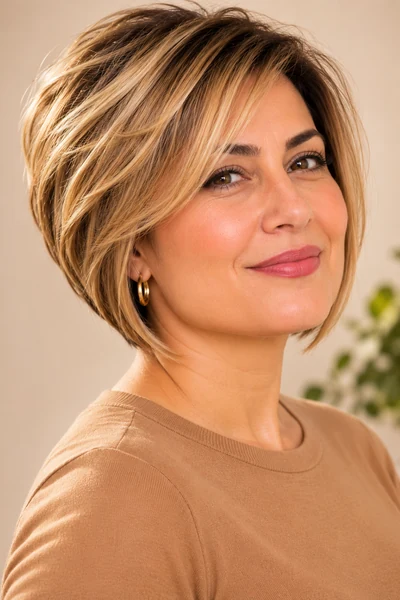
The stacked back of a graduated bob builds volume at the crown and nape while keeping the front lengths longer, creating a shape that flatters most face structures and hair textures. The stacking technique is particularly effective for women with flat or fine hair because it adds shape and lift without relying heavily on product. It does require a trim every six to eight weeks to maintain the graduation and prevent the back from looking overgrown.
5. Shaggy Bob With Curtain Bangs
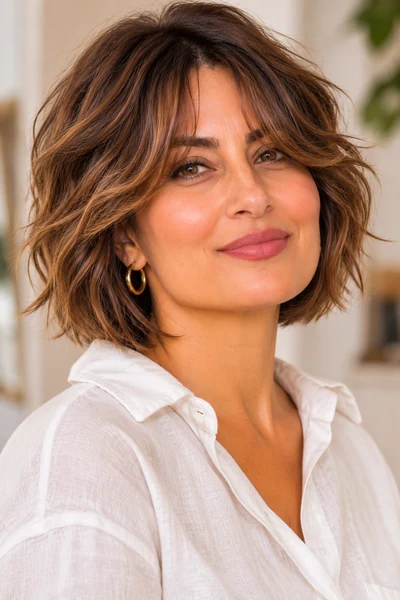 shaggy bob with curtain bangs for women over 40, textured layered short hairstyle” class=”wp-image-4455″ width=”400″ height=”600″/>
Curtain bangs are one of the most versatile additions to any short hairstyle for women over 40 because they soften the forehead and frame the eyes without requiring constant trimming between appointments. Paired with a shaggy bob, the combination adds texture and movement that flatters fine to medium-density hair without looking overdone. The bangs work on most face shapes and can be pushed back or pinned for a different look with no extra effort.
6. Textured Bob With Face-Framing Layers
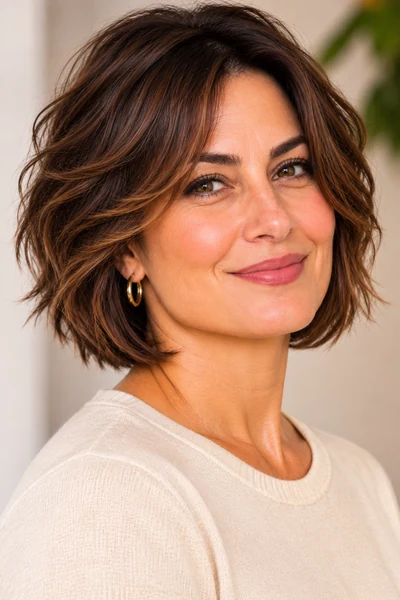
Face-framing layers around the jaw and cheekbones add softness and create the illusion of higher cheekbones, which is a flattering effect on most face shapes over 40. The texture through the body of the bob keeps the style from looking too stiff or one-dimensional, giving it movement even on days when you do not style it much. This works especially well for women with medium-density hair who want a low-maintenance cut they can air-dry most days.
7. Wavy Bob for Naturally Wavy Hair
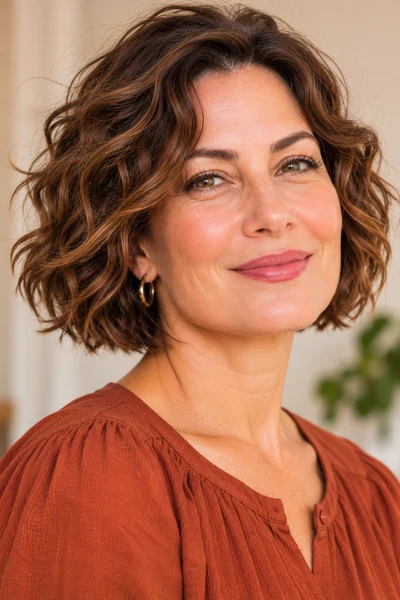
Wavy hair over 40 often benefits from a bob-length cut because it removes excess weight that can drag down a looser wave pattern and make the hair look limp rather than lived-in. At bob length, natural waves tend to bounce back and sit well without much encouragement from products or tools. Ask for minimal layering so the wave shape stays intact rather than fragmenting into multiple uneven textures.
Medium Length Hairstyles for Women Over 40
Medium-length hairstyles for women over 40 are consistently the most versatile tier, offering enough length to style in multiple ways while staying short enough to avoid the heaviness that can flatten post-40 hair. They also tend to hold their shape well between trims, giving you more flexibility in your maintenance schedule without sacrificing how the style looks. The seven options below cover different texture needs and face shapes so you can match your specific situation rather than settling for a generic recommendation.
8. Classic Lob (Long Bob, Collarbone Length)
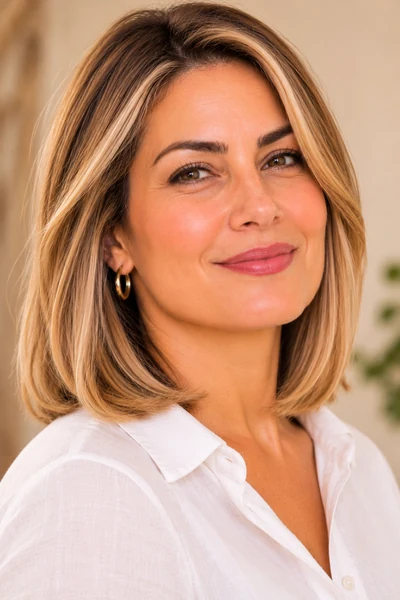
The lob is the most recommended medium-length haircut for women over 40 because it sits at the collarbone, which is a universally flattering length that works across face shapes and hair textures. It is long enough to pull back on busy days and short enough to look polished and intentional when worn down. A trim every eight to ten weeks keeps the shape clean without feeling like a demanding commitment.
9. Curtain Bang Lob
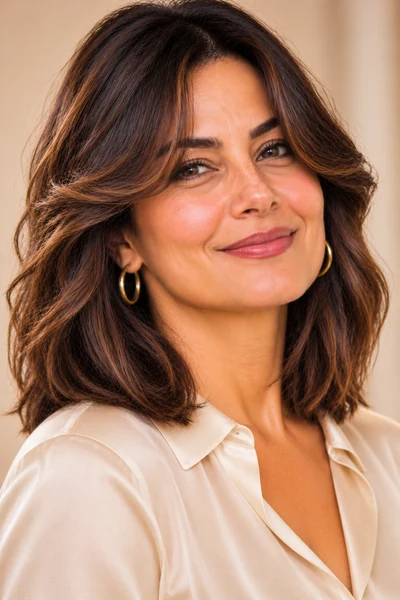
Adding curtain bangs to a lob is one of the fastest ways to update the style and frame the face without changing the overall length at all. Curtain bangs suit oval, heart, and oblong face shapes particularly well, as they draw the eye toward the center of the face and soften a strong hairline. Ask your stylist to cut them to cheekbone length so they blend easily into the rest of the style as they grow out.
10. Layered Lob With Face-Framing Pieces
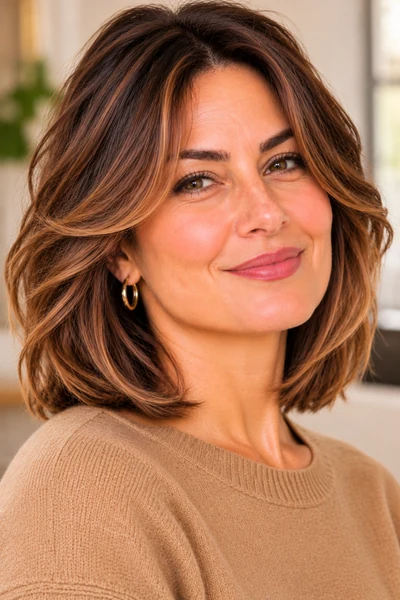
Long layers that start at the cheekbone and blend into the body of the lob add movement and softness that a blunt-edged lob simply lacks. The face-framing pieces work particularly well for women with rounder or squarer face shapes because they create a gentle lengthening effect around the jaw and chin. This style air-dries well on wavy and curly hair, making it a strong low-heat option for women managing post-40 porosity changes.
11. Soft Shag With Curtain Bangs
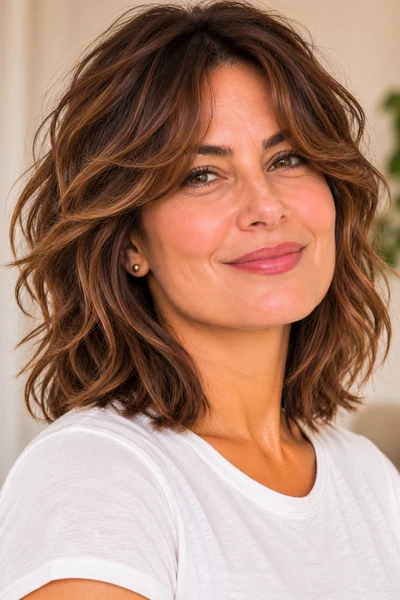
The soft shag is a medium-length cut with curtain bangs and disconnected layers that create a layered, lived-in look without needing much daily styling to achieve it. It is one of the best medium-length hairstyles for women over 40 with fine hair because the layers add visual volume and prevent the flat, weighed-down look that fine hair often develops at this length. Air-drying with a curl cream or mousse works well on most hair types for this particular style.
12. Wolf Cut on Medium Hair
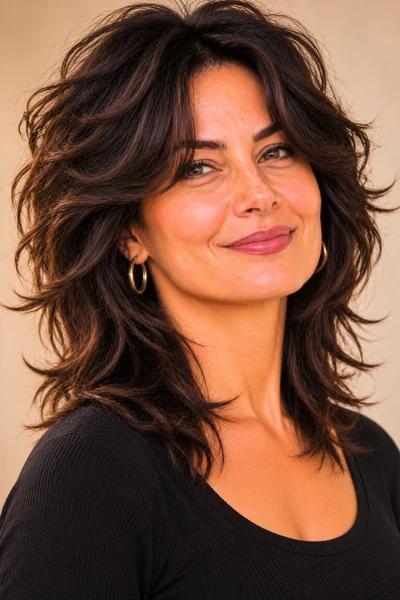
The wolf cut is a high-layer, high-texture cut that translates well to post-40 hair when requested with a slightly softer execution than the edgier versions styled for younger audiences. The dense layering adds visible volume and body, which is exactly what medium-density hair in the 40s often needs most. Ask your stylist for a wolf cut with longer curtain bangs and blended layers if you prefer a softer, less dramatically shaggy result.
13. Bob With Voluminous Layers (Medium)
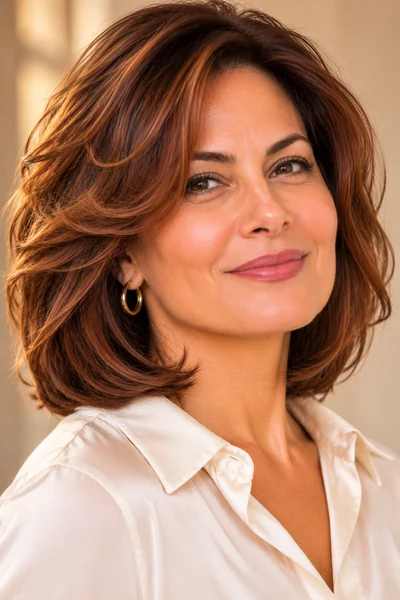
This is a longer, fuller version of the textured bob, sitting between the jaw and the shoulder and offering more versatility in how it can be worn day to day. The voluminous layering through the interior of the cut lifts the crown and adds body without the dramatic commitment of a shorter stacked style. It is one of the most adaptable medium bob styles for women over 40 because it can be worn straight, wavy, or curly without losing its essential shape.
14. Textured Medium Shag
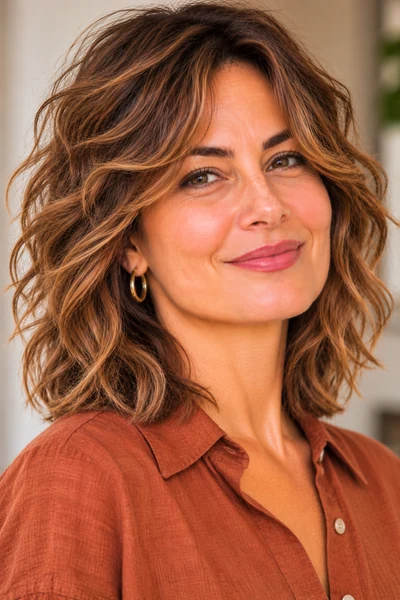
The textured medium shag has more visible layers and movement than a soft shag, making it an excellent choice for women who want their hair to do most of the work without much styling input each morning. It suits wavy and curly hair particularly well and can be enhanced with a diffuser for natural-looking volume without adding extra heat. Trim every eight to ten weeks to prevent the layers from becoming overgrown and losing the texture that makes the style work.
Longer Hairstyles for Women Over 40
Long hair is absolutely an option after 40, but the key to making it work is layers. Skipping layers on long hair creates a weight line that can pull the face downward and make already-thinning hair look even flatter at the crown. Browse our long layered cuts guide for a visual reference before heading to your next appointment, especially if you are unsure how to describe the layering you want.
15. Collarbone-Length Cut With Long Layers
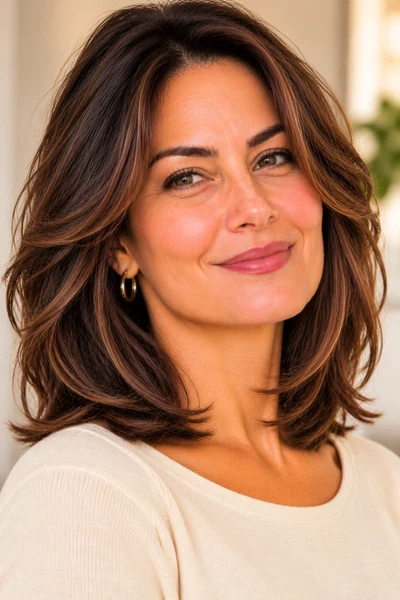
This is the most commonly recommended long-leaning hairstyle for women over 40 because the collarbone length removes enough weight to reveal volume and movement while still giving you enough length to wear up. Long layers through the mid-shaft add bounce and prevent the flat, heavy look that longer one-length cuts often develop on post-40 hair. It suits every face shape and most hair textures, making it the safest option if you want to go longer without gambling on the result.
16. Long Layered Cut (Below Shoulders)
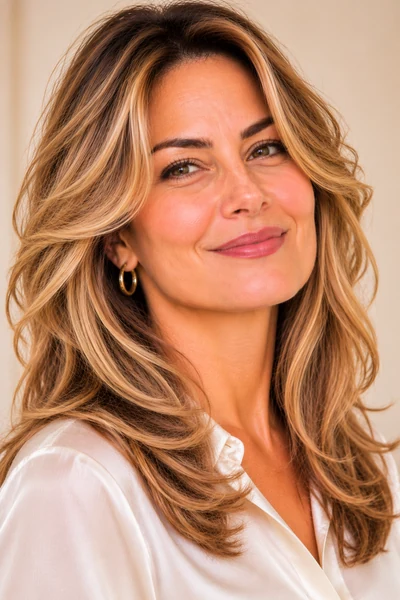
Long hair below the shoulders can look youthful and modern after 40 when the interior layers are cut to add lift at the crown and movement through the mid-lengths. Without layers, this style can flatten fine hair and create a dragging effect that emphasizes length over shape, which is the opposite of what most women over 40 are looking for. Schedule a trim every ten to twelve weeks and ask your stylist to refresh the layers at each visit rather than simply trimming the ends straight.
17. Long Layers With Face-Framing Pieces
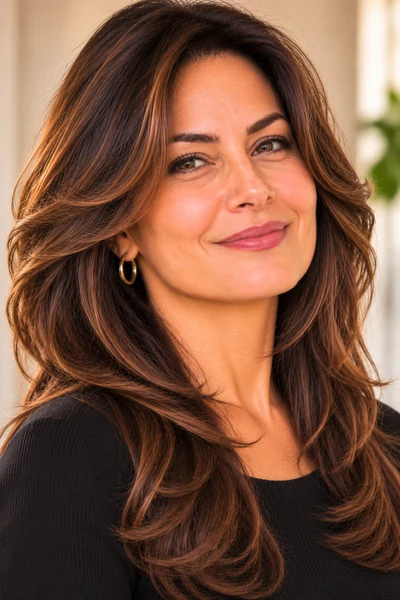
Long face-framing pieces that start at the cheekbone and blend into the rest of the length are one of the most effective ways to modernize a long style without shortening it significantly at all. They create focus around the eyes and cheekbones and work well on most face shapes, particularly round and oblong faces where a little vertical movement near the face goes a long way. This is a low-commitment addition that can often be added at a regular trim appointment without a full restyle.
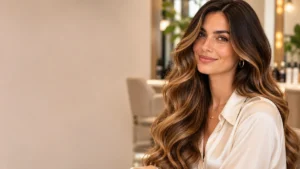
18. Long Wavy Cut With Balayage
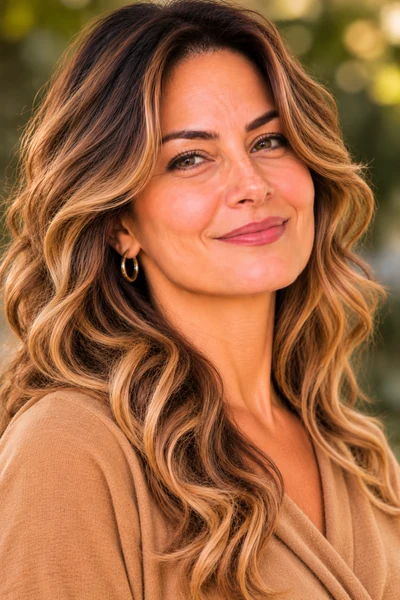
Balayage on long wavy hair over 40 adds dimension and visual interest that makes the hair look healthier and fuller than a single-process color would, especially on finer hair that can otherwise look thin at length. The soft, gradual color transition also grows out gracefully, reducing the maintenance pressure of regular root touch-ups, an important consideration for many women in their 40s. Ask your colorist for warmer balayage tones rather than very ashy ones, which can look flat against the skin tone changes that often accompany aging.
19. Soft Long Layers on Naturally Curly Hair
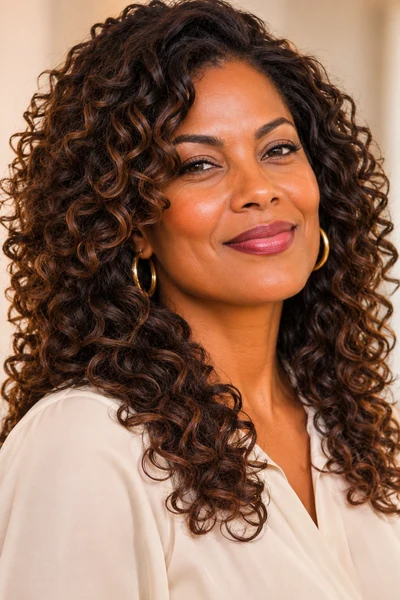
Naturally curly hair over 40 benefits from long layers that follow the curl pattern rather than cutting across it, which preserves the curl's shape and prevents unexpected shrinkage after the appointment. Ask for a DevaCut-style dry cut where possible, as shaping curls in their natural dry state ensures the stylist is working with your actual curl pattern rather than guessing at it when wet. Deep conditioning every one to two weeks helps maintain the moisture balance that post-40 curly hair tends to need more of consistently.
20. Long Curtain Bang Style
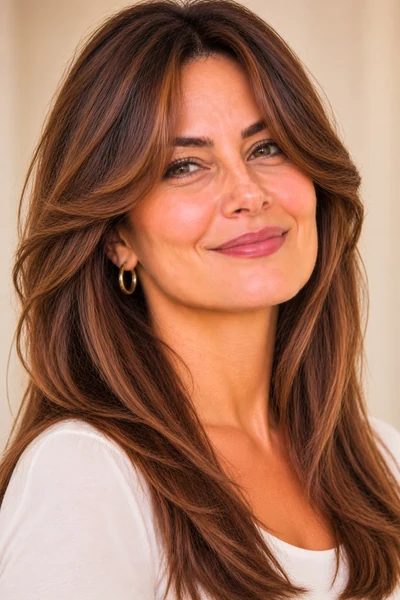
Long curtain bangs at or just past cheekbone length add a soft, face-framing element to long hair that flatters almost every face shape, including round, oblong, and heart-shaped faces. They grow out gracefully and require very little maintenance between trims, making them one of the most practical bang options for women over 40 who want to update their look without a big commitment. Pair them with a center or slightly off-center part for the most balanced, modern effect.
Best Hairstyles by Hair Texture and Post-40 Changes
Best Hairstyles by Hair Texture and Post-40 Changes
Hair texture is the single most important variable when choosing hairstyles for women over 40, yet it rarely gets discussed alongside the specific changes post-40 hair goes through. Understanding how your texture interacts with thinning, dryness, and density loss makes every style decision cleaner and every salon conversation more productive. Find your texture type below before comparing any of the 35 styles listed above.
Straight Fine Hair After 40. Straight fine hair tends to lose density and go limp, particularly at the crown and temples where thinning often begins first. The best cuts for this texture type are blunt bobs that create a visual fullness at the ends, textured pixies that redirect volume upward, and volume-boosting layers through the mid-lengths of a lob or shoulder-length cut. Avoid one-length long cuts without any texture work, as they emphasize flatness and make the thinning areas more visible rather than less.
Wavy Hair After 40. Wavy hair over 40 often experiences a loosening of the wave pattern as hormonal changes affect curl formation and the overall texture of each strand shifts. It benefits from layering that follows the natural wave shape rather than cutting across it, which preserves the pattern and prevents unwanted frizz at the cut line. Air-drying with a good curl cream is often the best styling method for post-40 wavy hair because it avoids the heat damage that can worsen porosity-related frizz over time.
Curly Hair After 40. Increased dryness and porosity can alter the curl pattern in your 40s, making curls that were once defined and springy looser or more prone to frizz throughout the day. Length retention matters for curly hair over 40, so avoid taking off too much length at once, which can cause unexpected shrinkage and dramatically change the look of the style. A DevaCut-style dry-cutting approach works well because each curl is shaped individually in its natural dry state, giving the stylist a true picture of how the cut will wear day to day.
Coily Hair After 40. Coily hair after 40 tends to experience more dryness and density changes than other texture types, which makes moisture retention and gentle handling even more important than at younger ages. Cuts that minimize split ends while preserving as much length as possible work best for this texture type, and protective styles remain an excellent long-term approach for managing the hair's health between styling sessions. Avoid constant manipulation and frequent thermal styling, both of which can accelerate the brittleness and breakage that coily hair becomes more prone to after 40.
Flattering Hairstyle Options for Every Face Shape
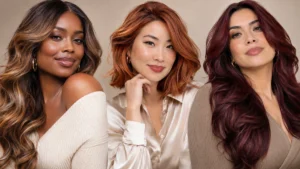
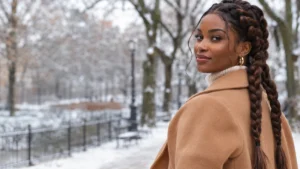

Flattering Hairstyle Options for Every Face Shape
If you are not sure which face shape you have, check our face shape guide first, as it makes selecting hairstyles for women over 40 to match your specific features much easier and faster. Face shape pairing is one of the most reliable tools for narrowing down a long list of style options quickly. Once you know your shape, the matching entry below gives you two or three cuts most likely to work.
Oval. Oval faces are the most versatile when it comes to hairstyle choices, and most cuts from a pixie to long layers work well with this shape. The main thing to avoid is excessive volume at the sides, which can widen the face and shift the balance of the oval in a less flattering direction. Lucky picks for oval faces include a layered lob with soft curtain bangs or any of the medium-length styles listed above with face-framing pieces through the front.
Round. Round face shapes are most flattered by styles that add vertical length and draw the eye up and down rather than side to side. Off-center parts, long face-framing layers, and longer lobs all help create this lengthening effect without requiring a dramatic change in overall length. Avoid blunt one-length bobs that end exactly at the jaw, as the weight line at the widest point of the face tends to exaggerate roundness rather than balance it.
Square. Square face shapes benefit from styles that soften the angular jawline, and the most effective tools are soft waves, face-framing layers, and side-swept bangs that break up the straight line of the jaw. The goal is to introduce movement and softness at the corners rather than blunt angles that echo the face shape back at the viewer. A soft layered lob or a curtain bang shag at medium length are among the strongest choices for square faces over 40.
Heart (Wider at Forehead, Narrower at Chin). Heart-shaped faces have a wider forehead and a narrower chin, and the most flattering styles draw attention downward and away from the forehead to create balance. Chin-length styles and curtain bangs are excellent for this face shape because they frame the lower face and visually balance the upper and lower halves without any dramatic intervention. Avoid very short cuts that leave a lot of forehead exposed, and opt instead for a curtain bang lob or a collarbone-length cut with layers that fall around the chin area.
Oblong or Long. Oblong faces benefit from width at the sides, so styles with volume and movement through the mid-section are a better choice than very long straight cuts that pull the eye further downward. Layered bobs and shoulder-length shags with bangs are strong picks because they add horizontal fullness at the cheekbones without needing any dramatic structural changes. Avoid very long, straight, one-length styles that elongate the face further, especially without any texture or movement built into the cut.
The Salon Script: What to Tell Your Stylist (and Mistakes to Avoid After 40)
The Salon Script: What to Tell Your Stylist (and Mistakes to Avoid After 40)
Knowing which style you want is only half the work. The other half is describing it clearly enough that your stylist understands exactly what you mean. The scripts below give you ready-to-use language for five of the most requested cuts.
Textured Short Bob
What to say: "I'd like a bob that hits at the jaw, maybe just below it. Please leave the ends textured rather than blunt, with piecey layers through the top to add movement. I want volume at the crown and I'd like to avoid anything that goes flat on top, so please do not weight the top section down."
Curtain Bang Lob
What to say: "I'd like the length to sit at my collarbone with soft layers from the mid-shaft down to the ends. I also want curtain bangs that fall to about my cheekbone, parted in the middle. The overall feel should be soft and a bit wispy, not sharp or blunt."
Short Layered Pixie
What to say: "I'd like a pixie with tapered sides and back, but more volume left at the crown. For the front, I'd like a fringe that I can either sweep to the side or push back, so please keep it long enough to do both. The overall shape should look intentional and polished, not accidental."
Long Layered Cut
What to say: "I want to keep the length at my collarbone (or mid-back, whichever applies), but I need layers added starting from the cheekbone down to add movement. Please keep the face-framing pieces visible but blended so they do not look choppy or disconnected. I want the ends to have some shape rather than just being trimmed straight across."
Soft Shag
What to say: "I'd like a soft shag at medium length, with curtain bangs and texture through the interior. The layers can be disconnected but I'd like them softer rather than choppy. I want it to air-dry well most days without looking too messy."
Common Mistakes to Avoid After 40
Holding onto too much length out of habit. Length without layers can pull the face down and make thinning at the crown more visible rather than framing the face as intended. A gradual reduction in length, combined with added layers, often makes a bigger positive difference than any product or styling trick.
Skipping layers on medium and long hair. Weight without movement flatters very few post-40 hair types, and layers are typically the single change that makes the biggest difference in how a style sits and behaves throughout the day. Ask your stylist for internal layers starting at the cheekbone rather than a uniform single-length trim.
Using the same color formula from your 30s. Warm, overly dark tones can harden the face as skin tone shifts with age, and softer, lighter tones often read as more current and more flattering after 40. Discuss this with your colorist at your next appointment rather than assuming the formula that worked before still applies.
Skipping toner during a gray hair transition. Unblended brassy or yellow roots look unfinished and work against a graceful grow-out, but a toner or clear gloss between color appointments smooths the transition and keeps it looking intentional. If you are ready to lean fully into gray, our gray haircuts guide covers the most flattering options for every hair type and face shape.
Over-relying on heat tools on already fragile strands. Post-40 hair tends to be more porous and heat-sensitive than it was in your 30s, so air-dry-friendly cuts reduce daily heat damage and help the hair hold its condition longer between salon visits. Limiting heat styling to two or three times per week rather than daily gives post-40 hair significantly more recovery time between sessions.
Going too short too fast. A gradual transition, such as moving from long hair to a lob before committing to a bob, gives you time to see how a shorter length suits your current texture and face, and makes it much easier to adjust course if you want to. This approach also lets you see what suits your natural texture at each stage before committing to a shorter look permanently.
Frequently Asked Questions
Frequently Asked Questions

What Is the Best Haircut for Women Over 40?
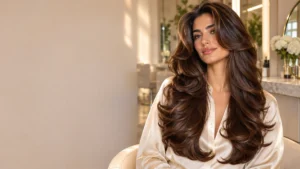
The best haircut depends on hair texture and face shape, but the most universally flattering options for women over 40 are a layered lob and a textured bob. Both add volume, suit most face shapes, and work with fine or medium-density hair without requiring significant daily effort. The key is to include layers, since one-length cuts without texture tend to emphasize thinning rather than work around it.
What Hairstyles Make Women Look Younger After 40?
Cuts that add volume at the crown, frame the face with soft layers, and avoid heavy weight pulling the face downward tend to look the most current and refreshed. Curtain bangs, face-framing layers, and collarbone-length layered cuts are frequently effective for this reason across a wide range of hair types and face shapes. Avoid very long straight cuts without any texture, and steer clear of severe blunt cuts that end exactly at the widest point of the jaw.
Should Women Over 40 Cut Their Hair Short?
Not necessarily, because length is not the deciding factor: texture and lifestyle are. Short cuts like pixies and bobs can look very modern and flattering after 40, but shoulder-length and collarbone-length cuts work just as well when they include layers and movement. The better question to ask is which cut suits your hair's current texture, density, and daily routine, not whether you are the right age to keep it long.
What Hair Length Is Most Flattering for Women Over 40?
Collarbone to shoulder length is the most commonly flattering range for women over 40 because it adds the appearance of volume, suits most face shapes, and requires less daily styling than very long hair. That said, short cuts and longer layered styles can both work extremely well when they are executed with the right technique and the right layering for the individual hair type. The layers and texture matter more than the specific length number alone.
How Often Should Women Over 40 Get a Trim?
Every six to ten weeks, depending on the style. Short pixies and stacked bobs need a trim every six to eight weeks to keep their shape and prevent the nape and sides from looking unkempt or overgrown. Lobs and medium-length cuts can comfortably go eight to ten weeks, while long layered cuts can stretch to ten to twelve weeks when the ends are in good condition and being cared for properly. Post-40 hair can be more prone to breakage, so regular trims also prevent split ends from traveling up the shaft and causing more widespread damage over time.
Bring the image of your chosen hairstyle for women over 40 to your next salon visit and use the scripts above to describe exactly what you want. If you are still deciding between lengths, our fine hair guide puts short and medium options side by side. The right cut is out there — these 35 options are a starting point, and your stylist can adjust any of them for your exact face shape, density, and lifestyle.
Your email address will not be published. Required fields are marked *