Cornrow hairstyles have protected and celebrated natural hair for generations, and this year's braid patterns give the classic style more range than ever. From sleek straight-backs to beaded showstoppers, cornrows flex to fit any face shape, texture, or occasion on your calendar. This roundup gives every single style its own "best for" label and a script to hand your braider, so scrolling through pretty photos turns into an actual appointment you feel confident booking.
Cornrows also make a great base for festival events — layer them with accessories and pair with a bold boho festival braid style for any concert or outdoor event.
What Are Cornrow Braids?
What Are Cornrow Braids?
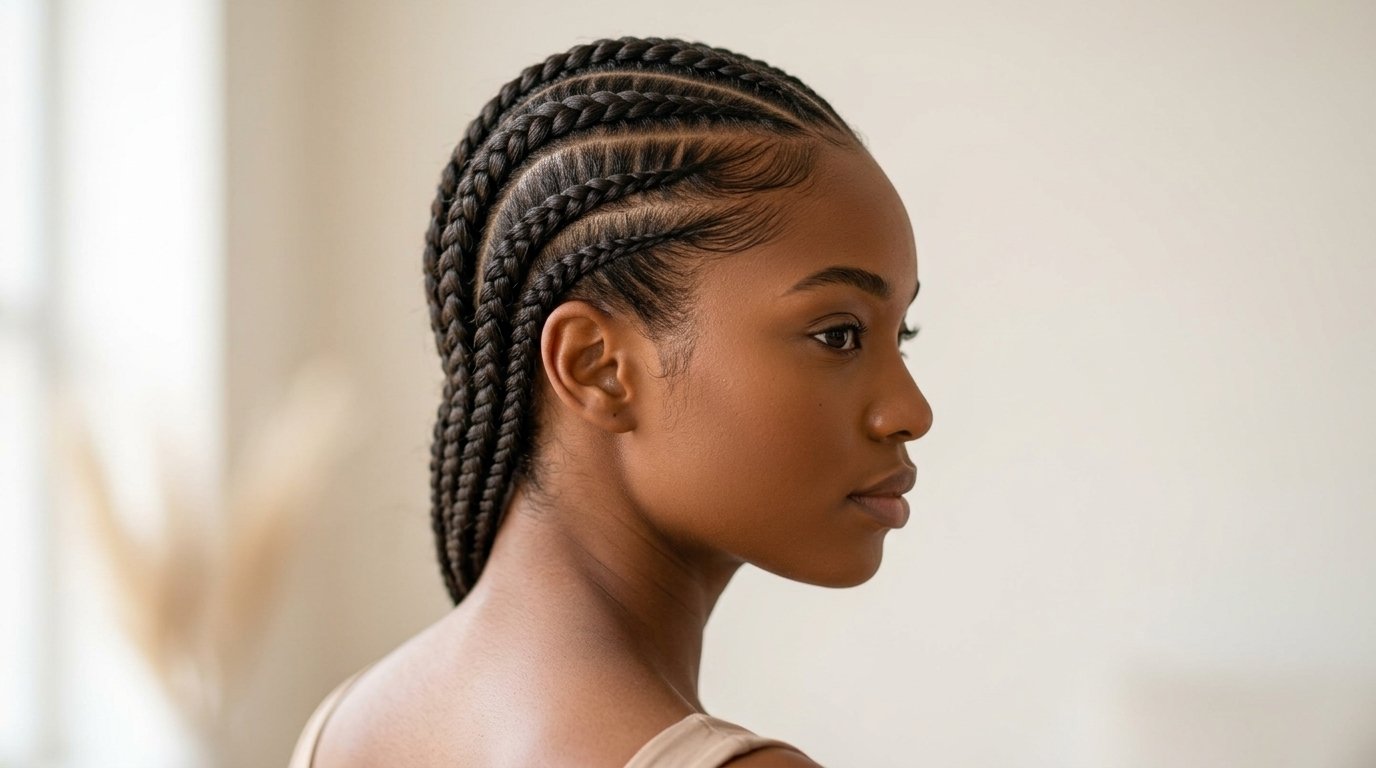
Cornrows are created by braiding hair flat against the scalp in continuous, raised rows, using your natural hair alone or with added extensions. The technique looks simple, but skilled execution takes real practice, which is why parting, tension, and finish vary between braiders. Cornrows also carry a long, well-documented history as a protective style within Black and African communities, passed down through generations as both a hair-care choice and a form of personal expression. This list covers 22 named cornrow hairstyles, each labeled by face shape, texture fit, and maintenance level, and our braided hairstyles roundup breaks down the wider braid category if you want to compare.
Why Choose Cornrows as a Protective Style
Why Choose Cornrows as a Protective Style
Cornrow hairstyles tuck your hair ends away from daily friction, heat styling, and manipulation, which can cut down on the everyday breakage that comes from combing and restyling loose hair. This is one of the core reasons cornrows remain a staple choice among protective styles for natural, textured, and relaxed hair alike. The technique also works across a wide range of textures and lengths, including short natural hair thanks to feed-in techniques that blend added hair seamlessly. You can dress the style up with beads and patterns for a special occasion, or keep it simple for everyday wear and workouts.
23 Cornrow Hairstyles to Try
23 Cornrow Hairstyles to Try
Every style below includes a short description, a bolded "best for" line covering face shape and maintenance level, and a bolded "tell your braider" line with the exact wording for your appointment. These 22 cornrow hairstyles are organized into four groups so you can jump to the category that matches what you want today. Scan the group headers first, then read the entries underneath for the specifics that matter before you book.
Group 1: Classic and Everyday Cornrows
These six styles form the backbone of everyday cornrow wear, ones you can request without much explanation at almost any salon. They install faster than patterned options and wear comfortably for weeks. If you are new to cornrows, starting here is the easiest way to learn how the style feels.
Straight-Back Cornrows
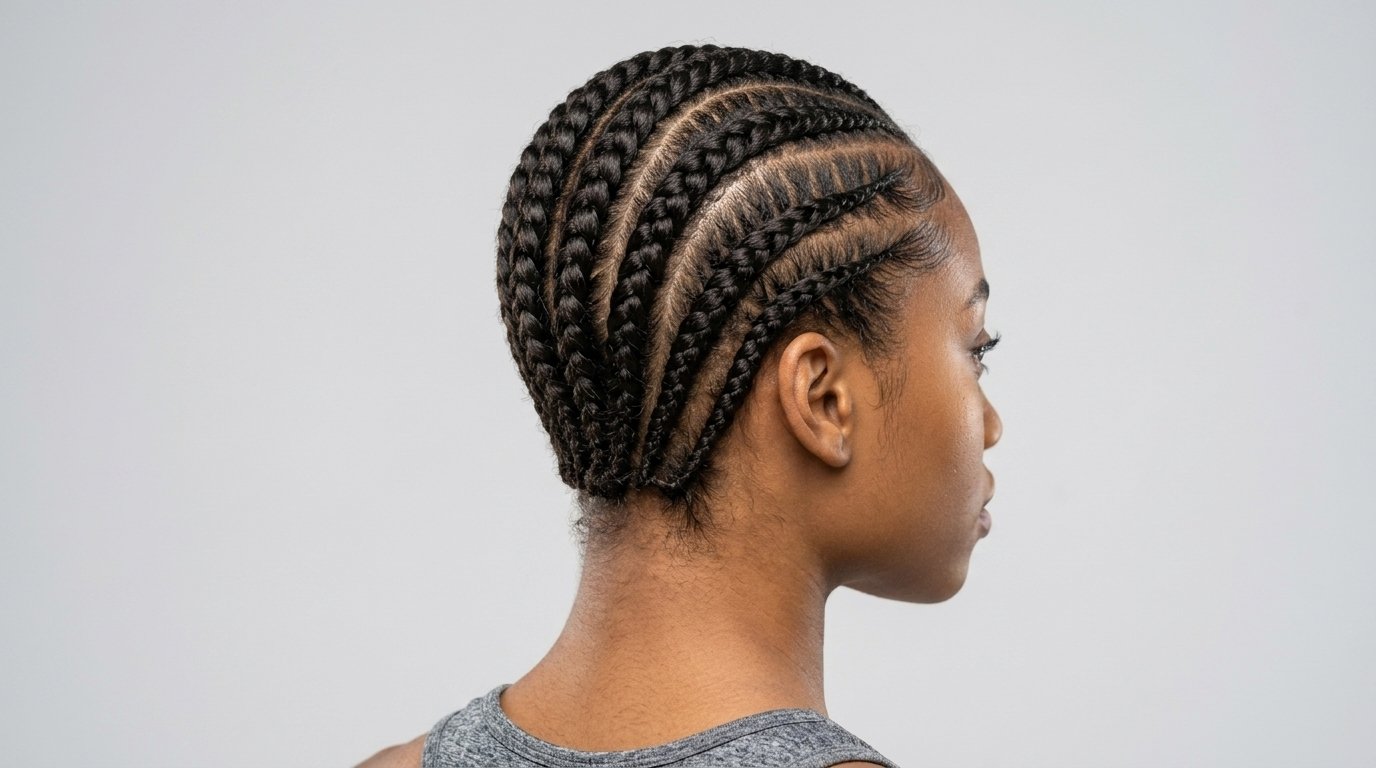
Straight-back cornrows braid hair in clean, uniform rows from the hairline to the nape with no curves or pattern work. Best for: round, oval, or heart face shapes and any texture, at low maintenance. Tell your braider: "Straight back, medium-size rows, no curve," good for two to three weeks of wear.
Feed-In Cornrows
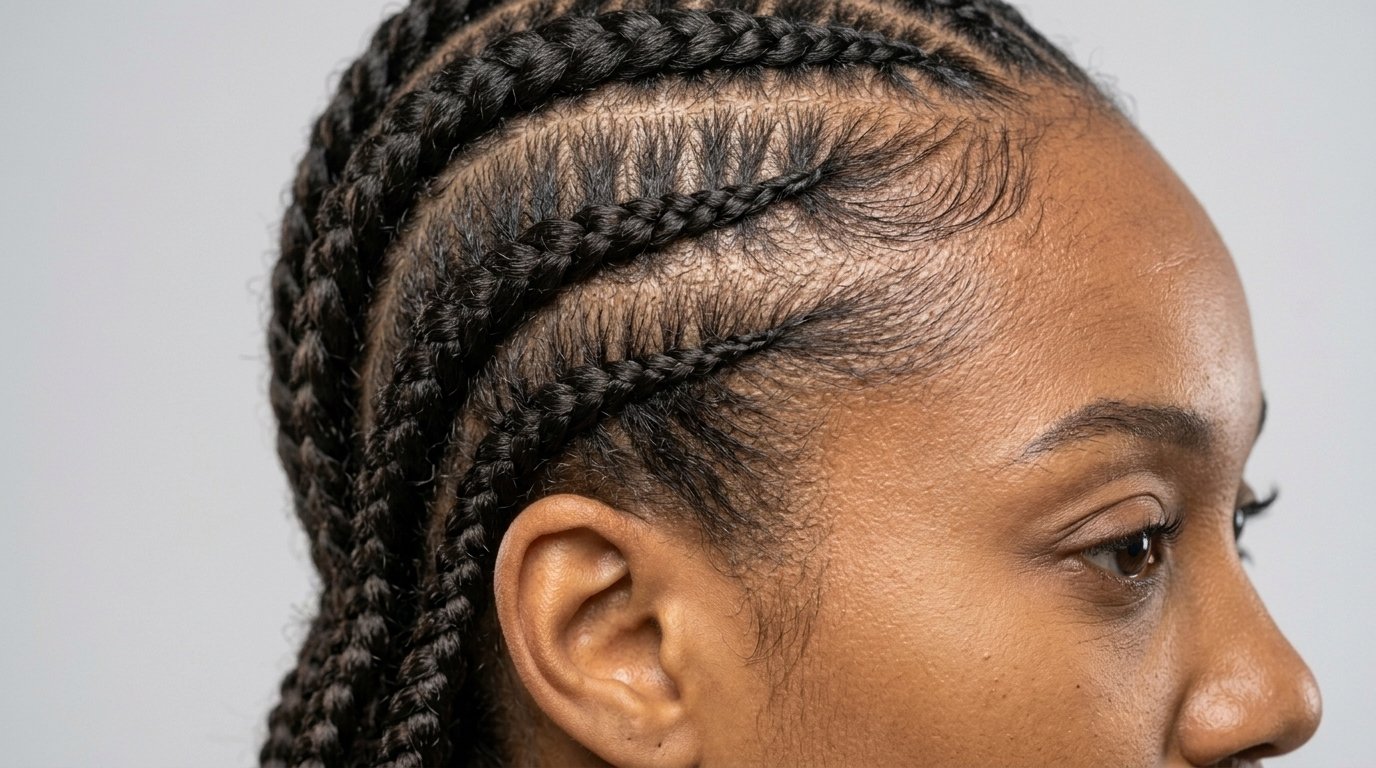
Feed-in cornrows start with your own hair at the root, then blend in extension hair gradually for a natural taper. Best for: fine or thinning edges needing less tension, at low to medium maintenance. Tell your braider: "Feed-in technique starting small at the hairline," gentler than knotless braids on stressed edges.
Stitch Braids
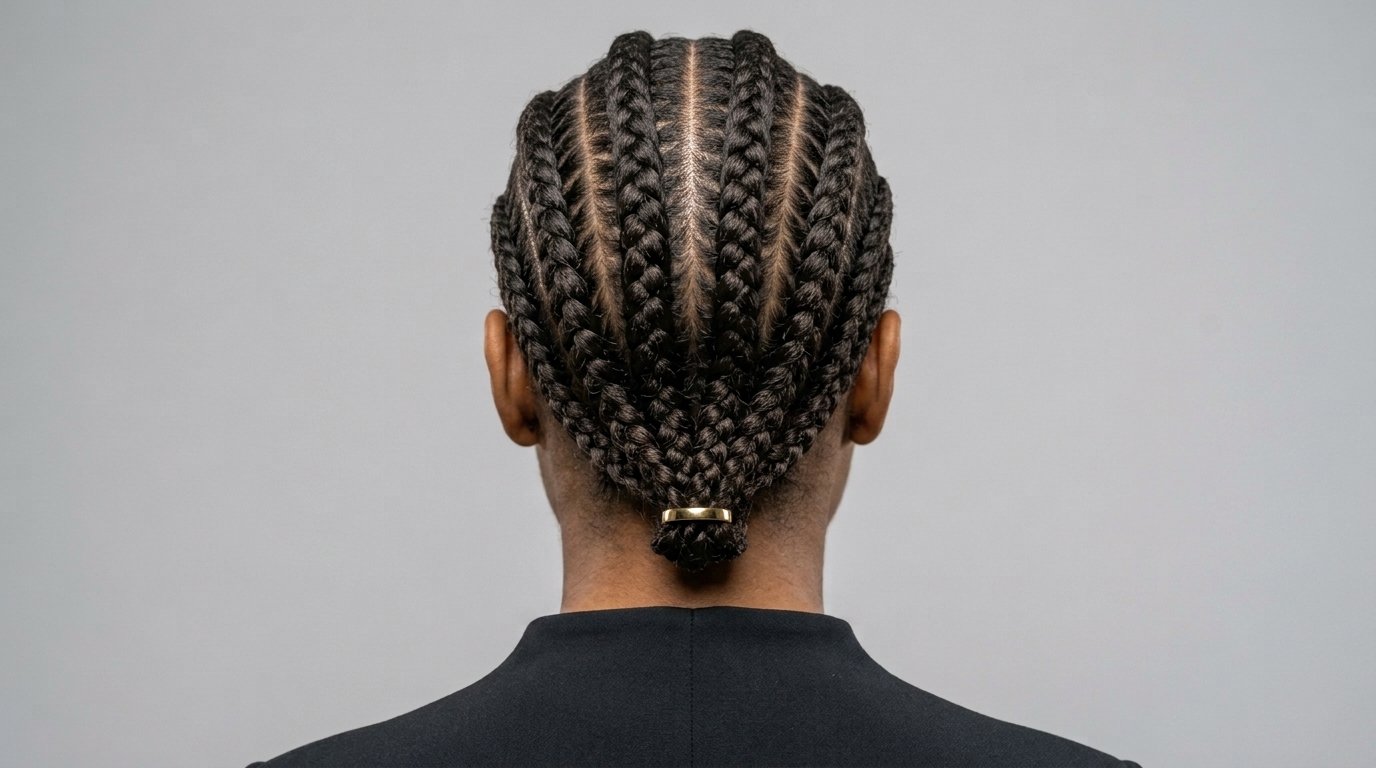
Stitch braids use a slight lift and a defined, raised part between rows for a graphic, sculptural look. Best for: square or angular face shapes wanting a structured finish, at medium maintenance. Tell your braider: "Stitch braids with a raised, defined part," sharpest in the first week.
Cornrow Bob
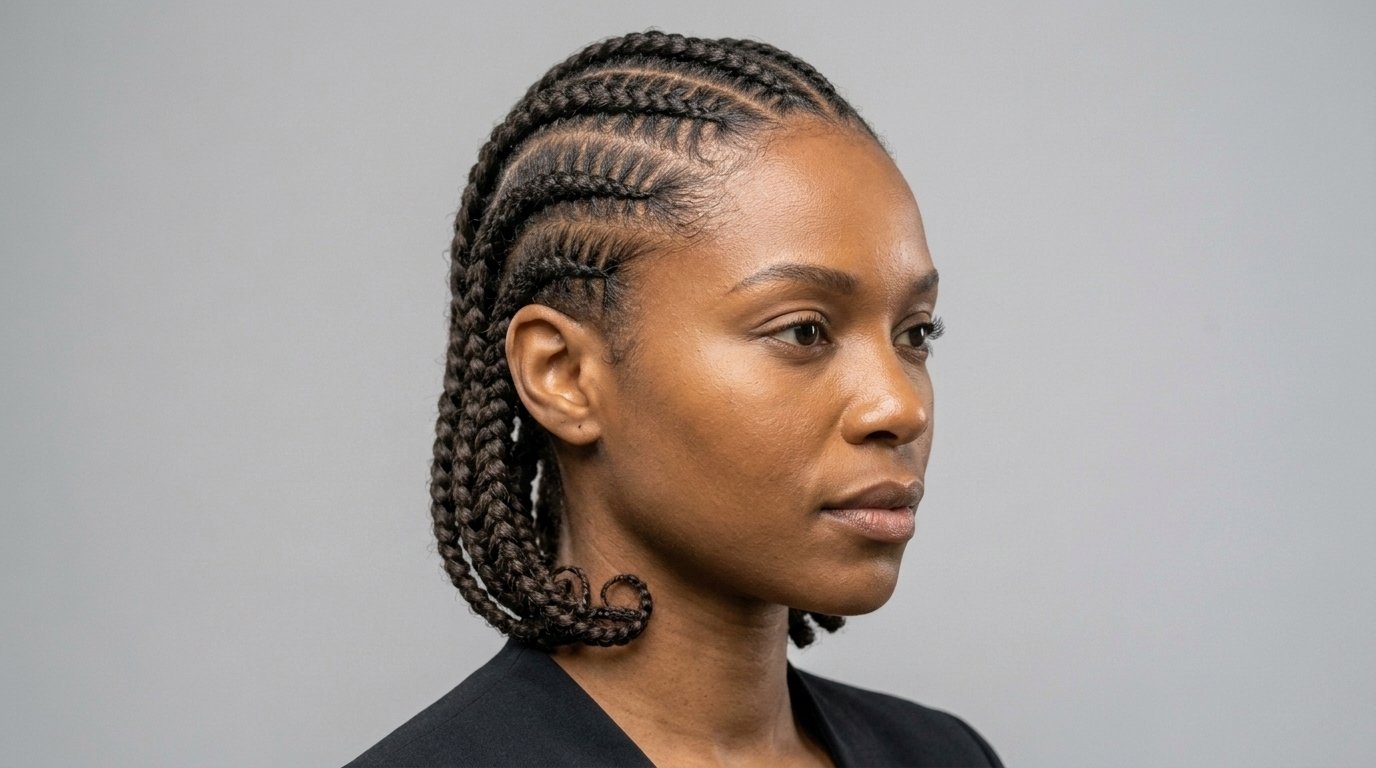
A cornrow bob keeps every row short, ending around chin length instead of running down the back. Best for: short hair or anyone wanting a lighter, low-maintenance protective style. Tell your braider: "Cornrows ending at a bob length, no added length," for a comfortable, lightweight install.
Micro Cornrows
Micro cornrows use very small, tightly braided rows across the whole head for a fuller, denser look. Best for: fine hair wanting fullness, at a high maintenance level given the longer appointment. Tell your braider: "Small, tight rows throughout, expect a longer appointment," and budget time for takedown too.
Frontal Cornrows
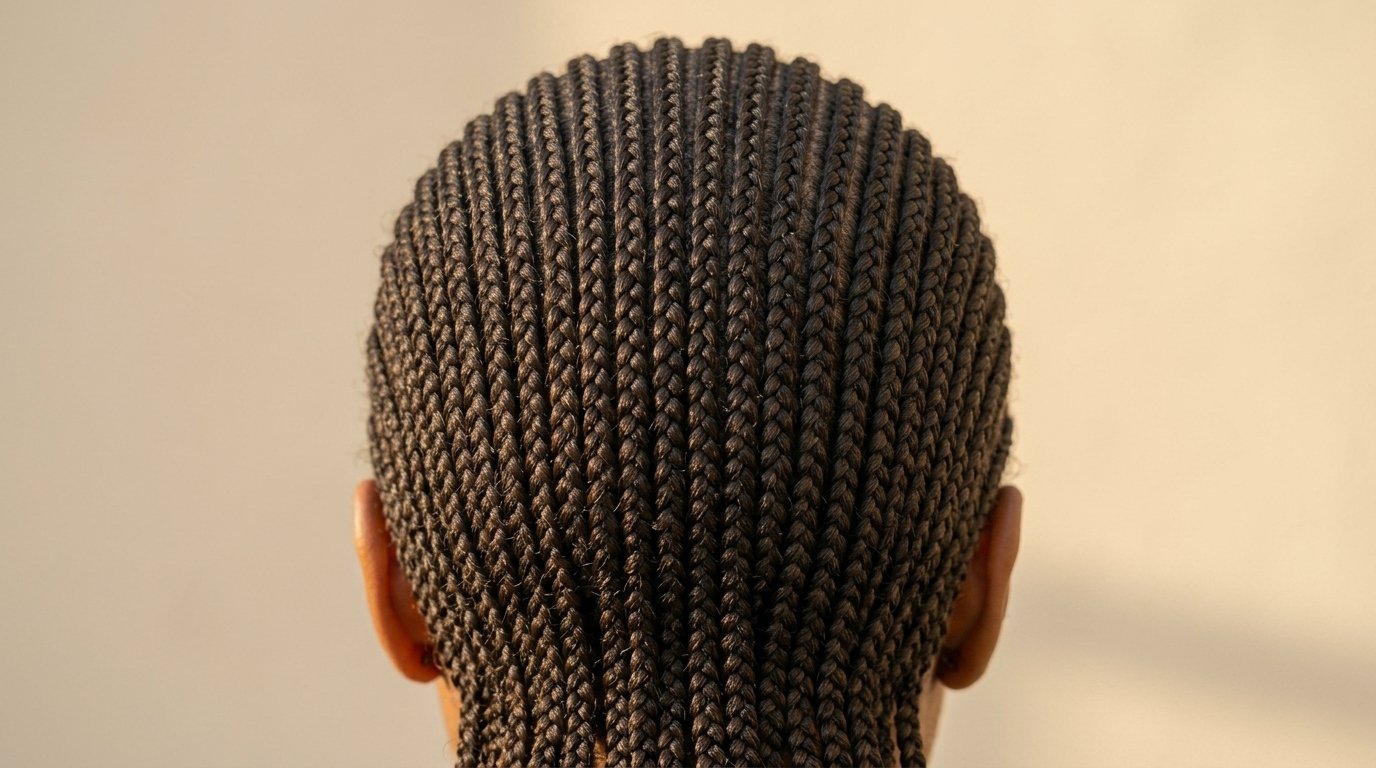
Frontal cornrows braid only the front section of the scalp, typically from ear to ear across the hairline and crown, leaving the back free or styled separately. This technique is commonly used as a smooth, flat base for frontal wigs and sew-ins, but it also works well as a standalone half-head protective style paired with a loose bun or ponytail at the back. Because only the front section is braided, the install is faster and puts less tension on the full head. Best for: women who wear frontal wigs or sew-ins and need a neat, flat foundation at the hairline, and anyone wanting a lighter half-head protective style. Tell your braider: “Frontal cornrows, front and top section only, braid flat toward the back.”
Group 2: Braid Pattern and Statement Styles
This group leans into visible parting patterns and face-framing shapes, letting your braider's artistry show instead of disappearing into a flat grid. Each of these six styles uses the part itself as a design element. Expect these to take longer in the chair than straight-back basics, since precise parting is what makes the look worth it.
Zig-Zag Cornrows
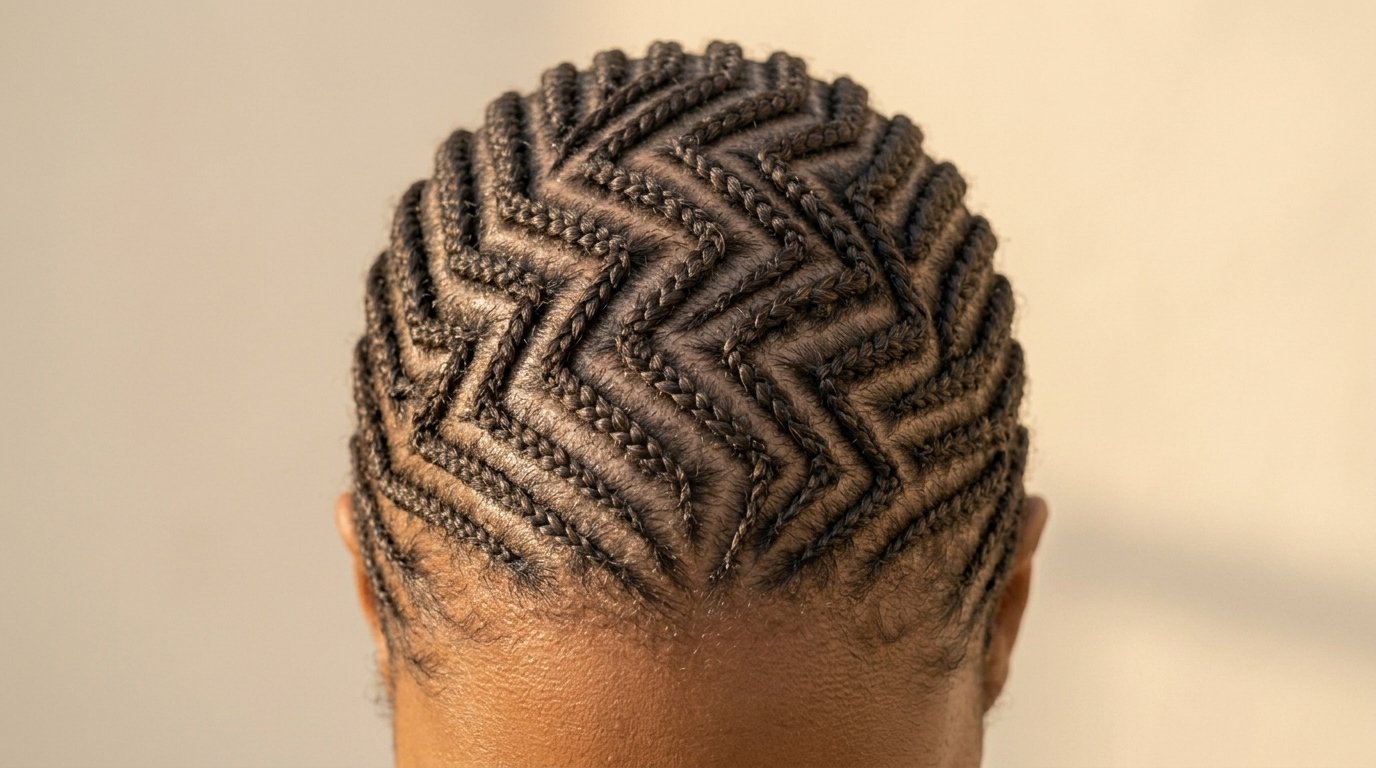
Zig-zag cornrows swap standard straight parting for an angular pattern that adds visual width and movement. Best for: oval or long face shapes, at medium maintenance. Tell your braider: "Zig-zag part pattern instead of straight rows," a fun way to make the part a design feature.
Fulani Braids
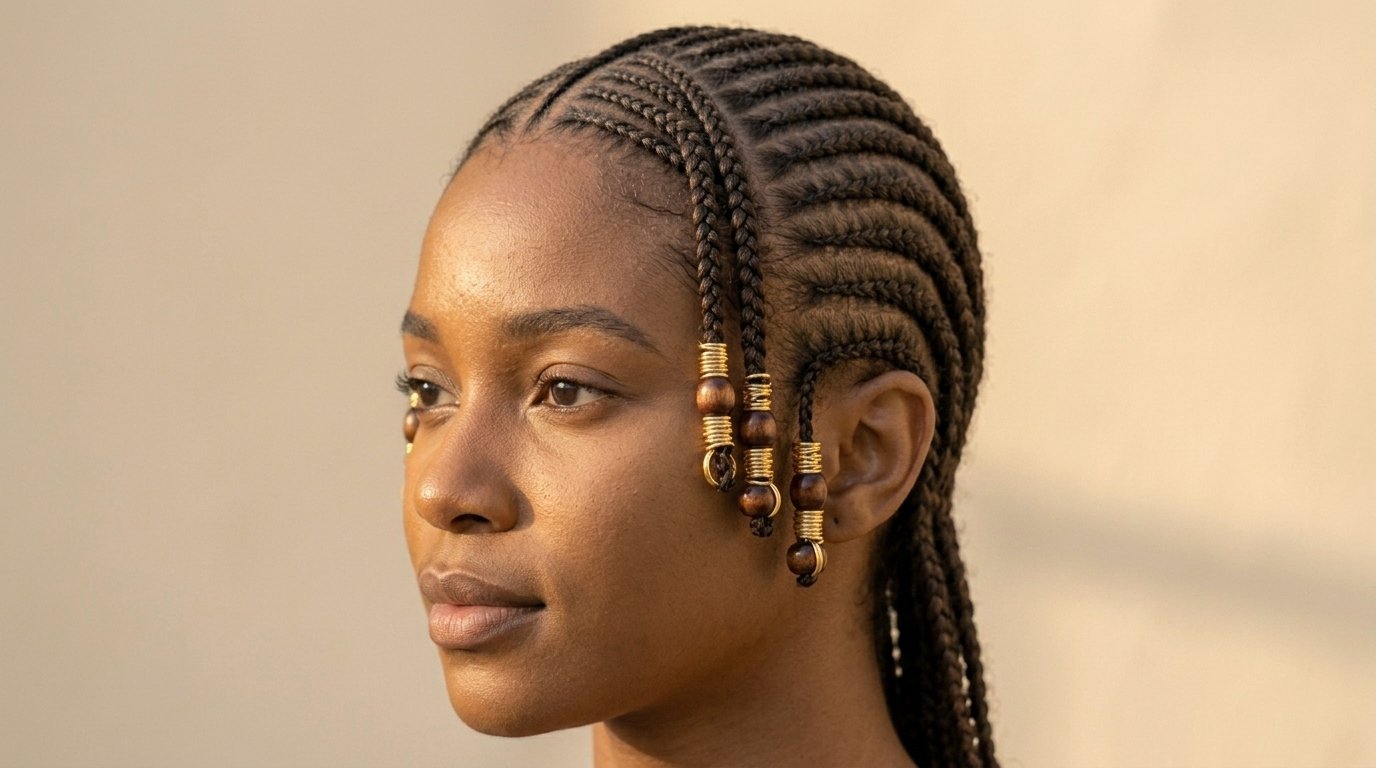
Fulani braids combine a center braid front to back with straight-back cornrows on the sides, often finished with beads or rings at the temples. Best for: most face shapes wanting a face-framing accent, at medium maintenance. Tell your braider: "Fulani-style with a center braid and beads or rings at the temples."
Ghana Braids (Banana Braids)
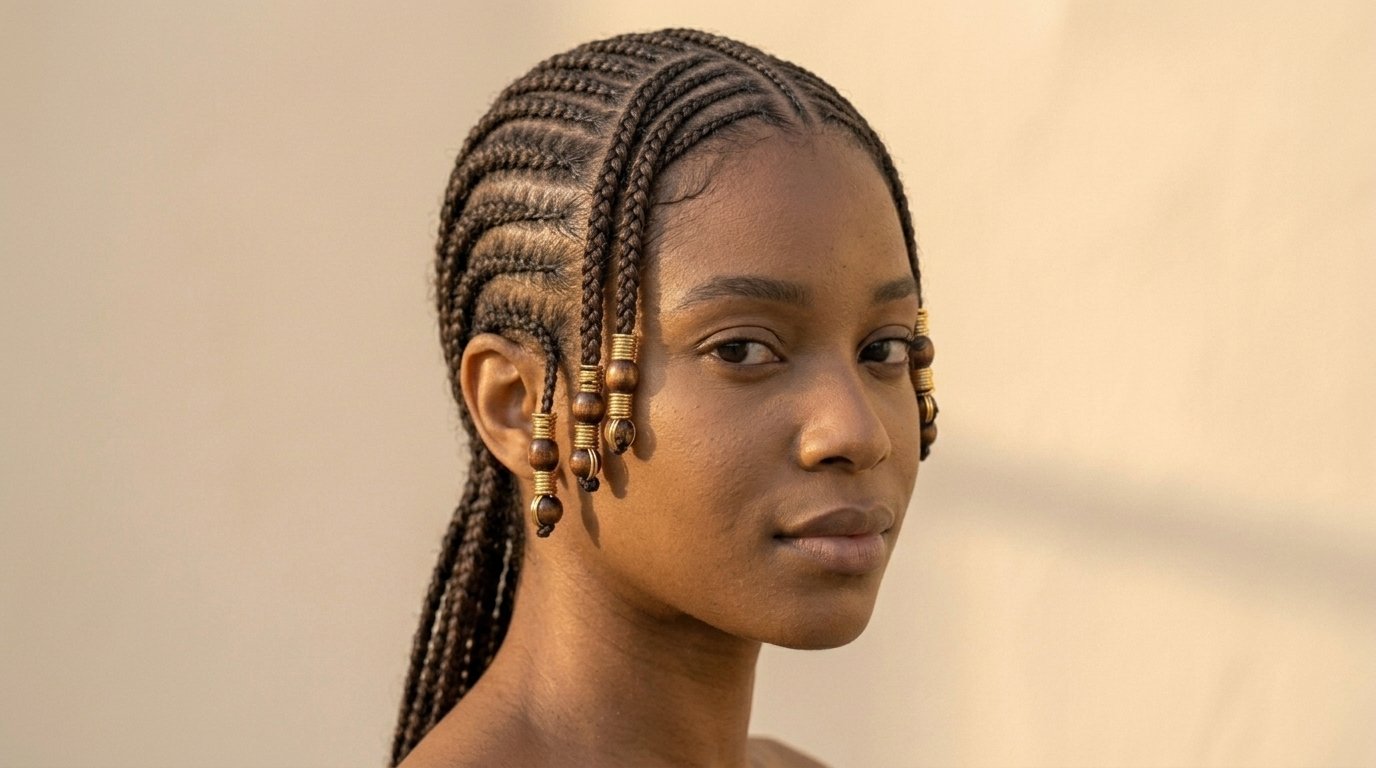
Ghana braids, or banana braids, are built thick at the root and taper thinner toward the ends for a sculpted, curved silhouette. Best for: round or square faces wanting a slimming effect, at medium to high maintenance. Tell your braider: "Ghana braids, thick at the root, tapering thin toward the ends."
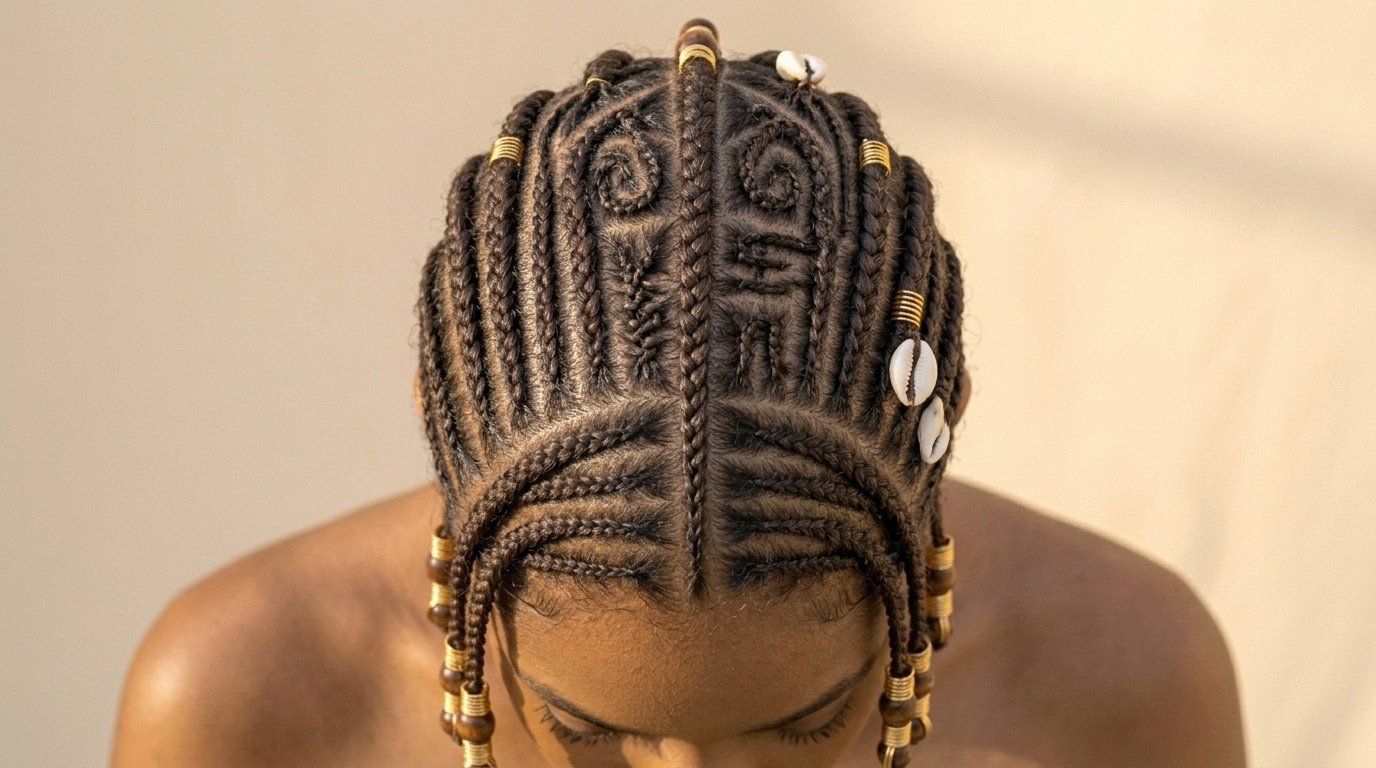
Tribal Pattern Cornrows
Tribal pattern cornrows use custom, elaborate parting designs, geometric shapes, spirals, or symbols, mapped into the scalp before braiding. Best for: readers wanting a bold, one-of-a-kind look, at high maintenance. Tell your braider: "Custom tribal pattern, bring a reference photo of the exact design."
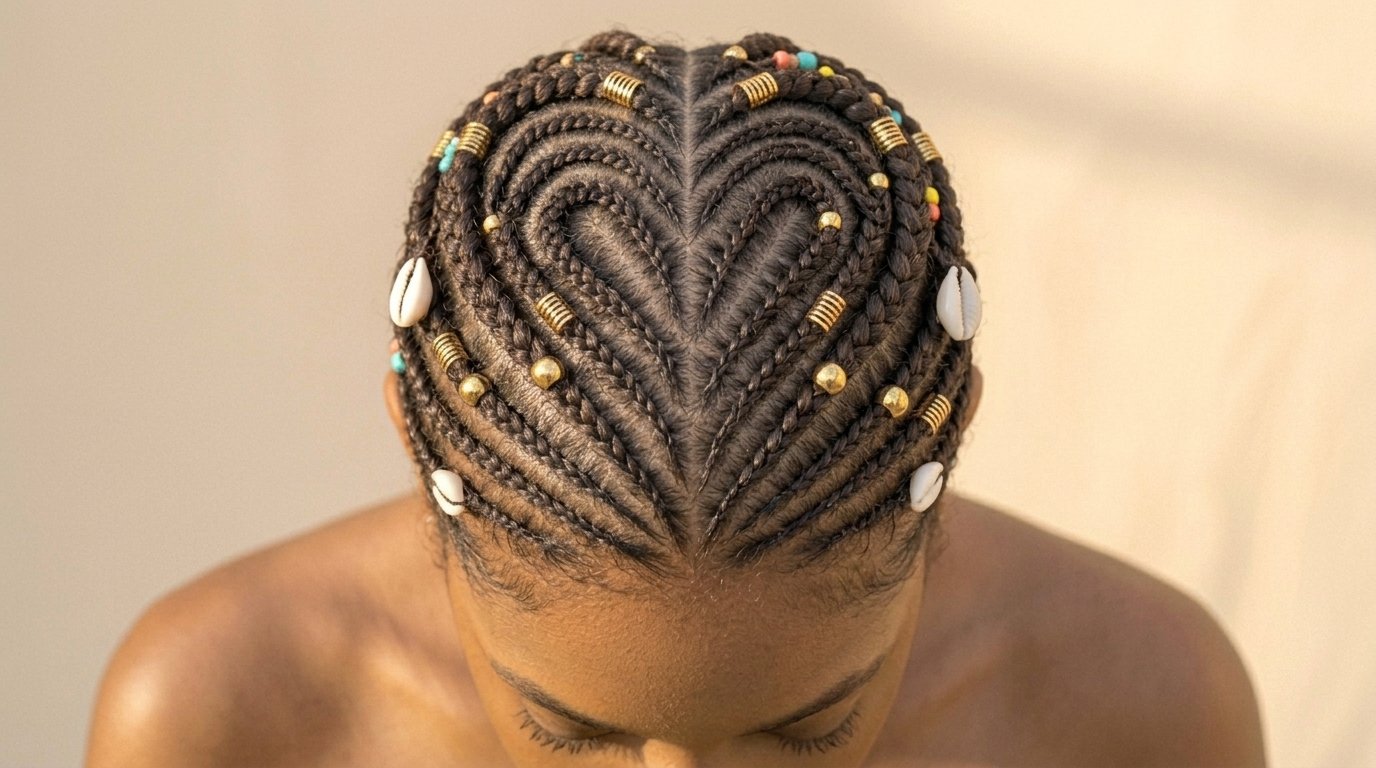
Heart-Pattern Cornrows
Heart-pattern cornrows carve a heart shape into the part at the crown, then continue into straight-back rows below. Best for: special occasions and shorter hair, at medium maintenance. Tell your braider: "Heart-shaped part at the crown, straight-back rows below," crisp on shorter lengths.
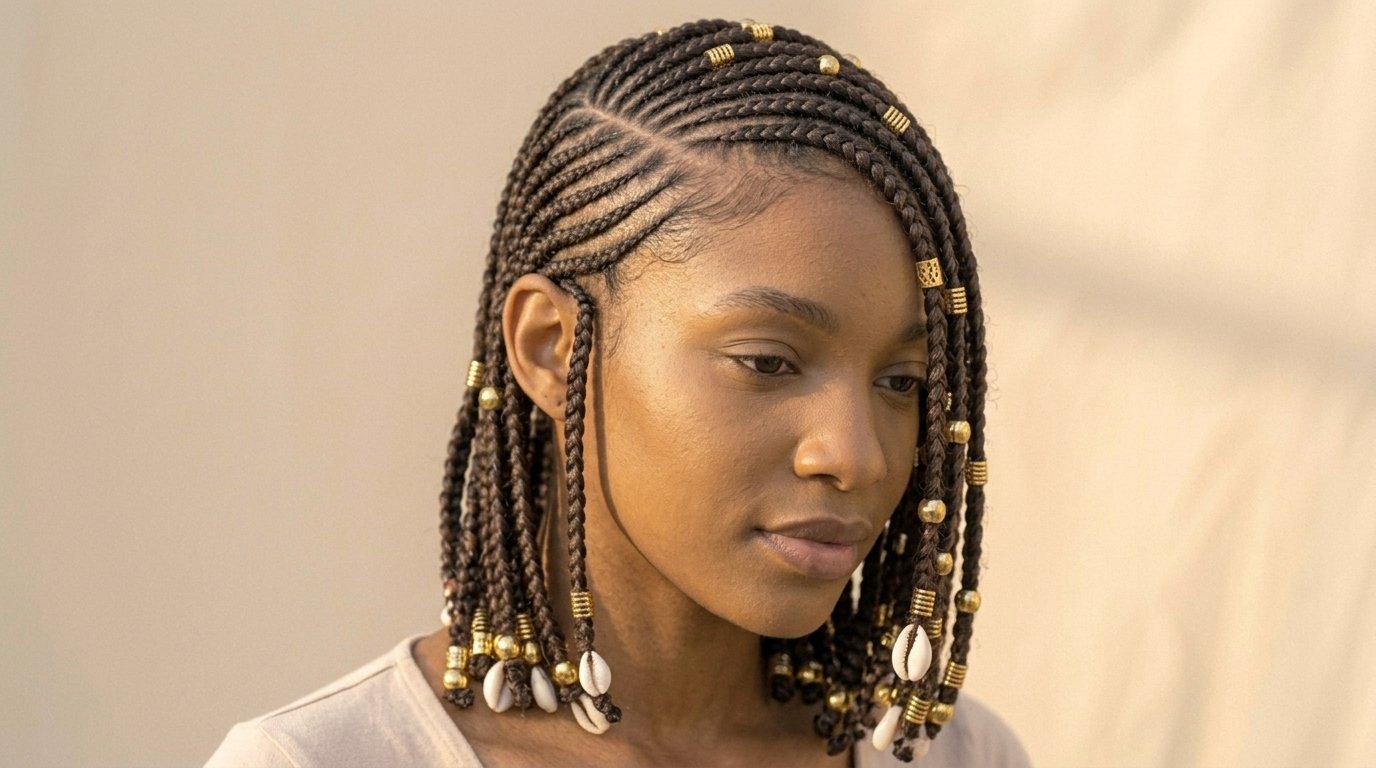
Lemonade Braids
Lemonade braids sweep every row to one side from a deep side part, framing one side of the face. Best for: heart or oval face shapes wanting a side-swept frame, at medium maintenance. Tell your braider: "Lemonade braids swept to one side, starting at the part."
Group 3: Beaded, Colored, and Embellished Cornrows
This group adds texture, sound, and color into the mix for readers who want their cornrows to feel more festive than a plain braided base. Beads, colored hair, and curled ends layer onto almost any base style from the first group. They work especially well for special occasions or whenever you want your protective style to feel like an accessory.
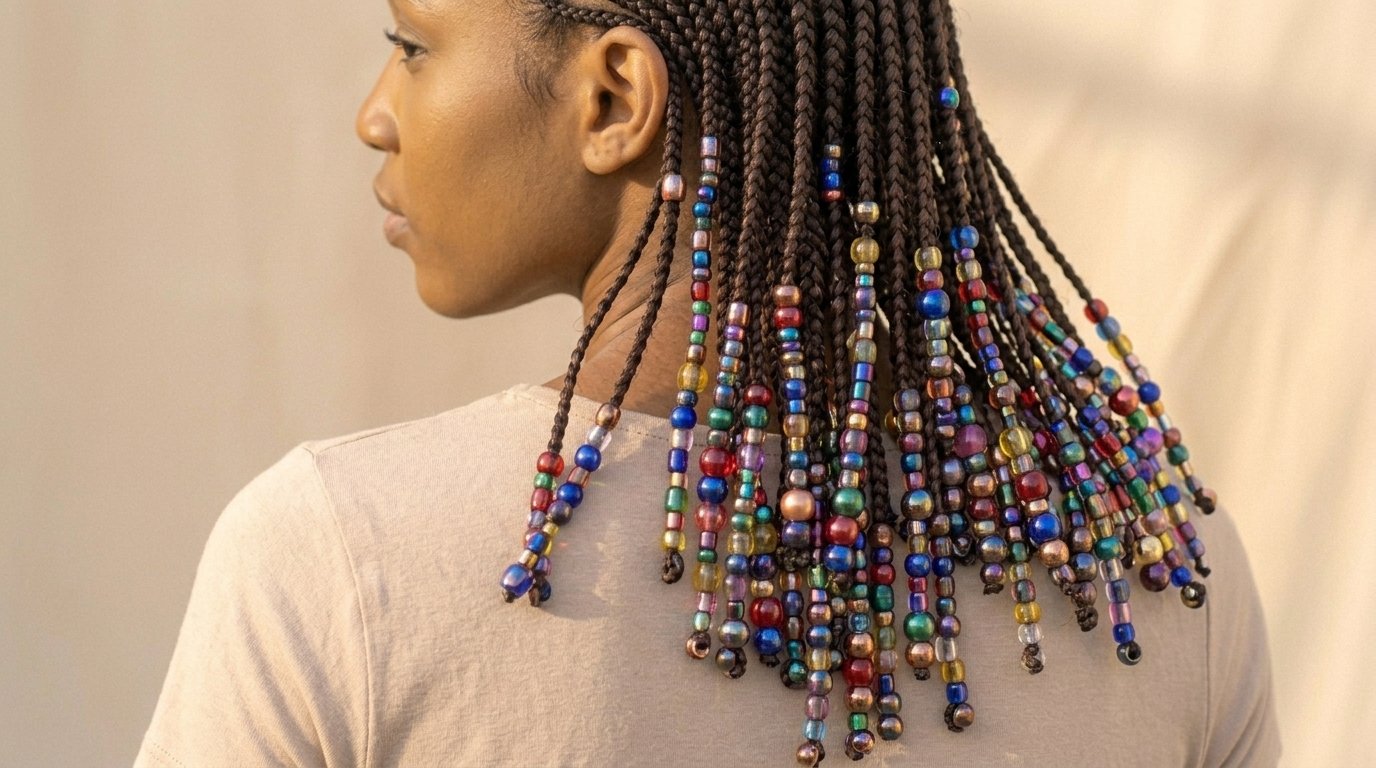
Beaded Cornrows
Beaded cornrows finish each row with strung beads at the ends, adding movement, sound, and a playful visual punch. Best for: shorter styles, kids' styles, or extra personality, at medium maintenance. Tell your braider: "Add beads at the ends, spaced every few rows."
Cornrows With Color
Cornrows with color use pre-colored braiding hair woven into the rows for a bold statement without touching bleach or dye on your natural strands. Best for: a low-commitment way to try color, at medium maintenance. Tell your braider: "Use colored braiding hair instead of dyeing my natural hair."
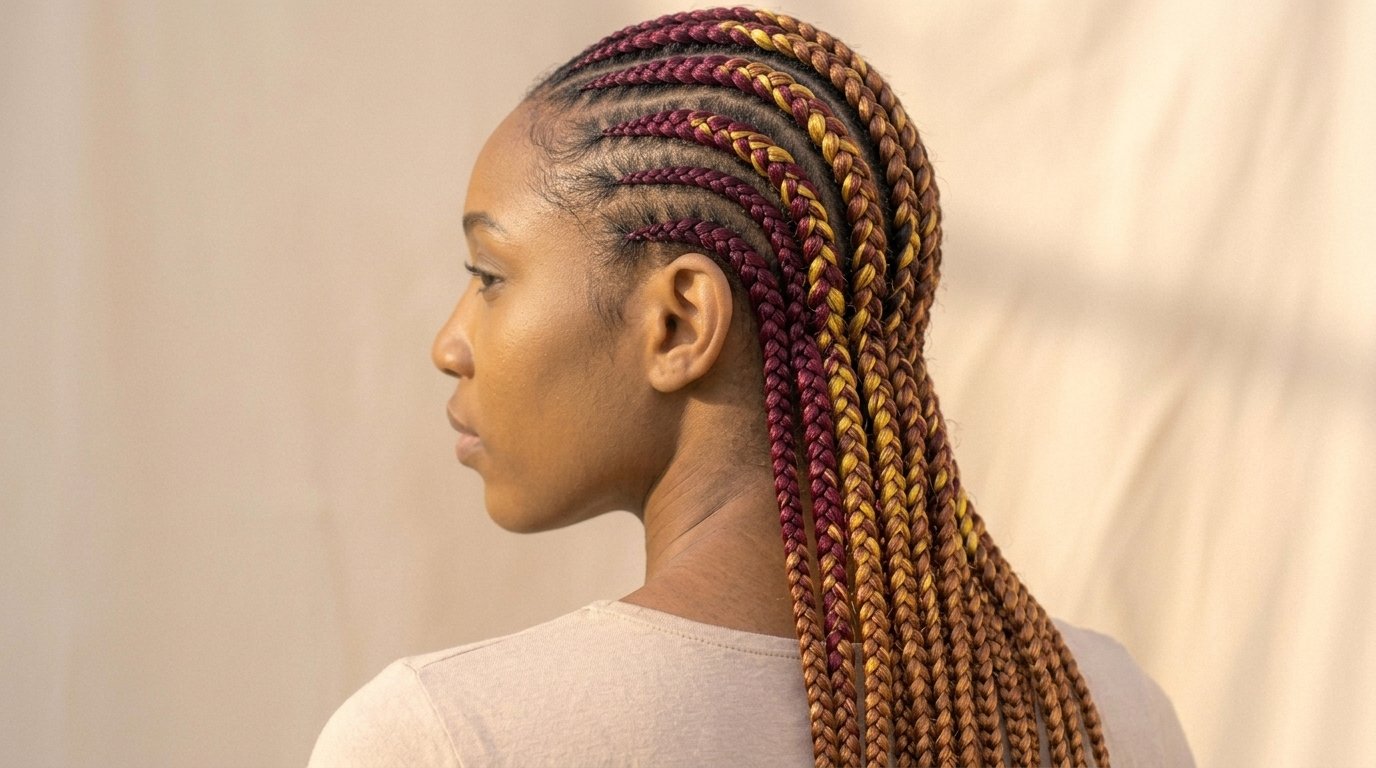
Cornrow Braids With Curly Ends
This style keeps the rows tightly braided and flat, then leaves the ends out to be curled, either pre-curled or your own natural ends. Best for: a softer, more natural finish, at medium maintenance. Tell your braider: "Leave the ends out and curl them, or use pre-curled braiding hair."
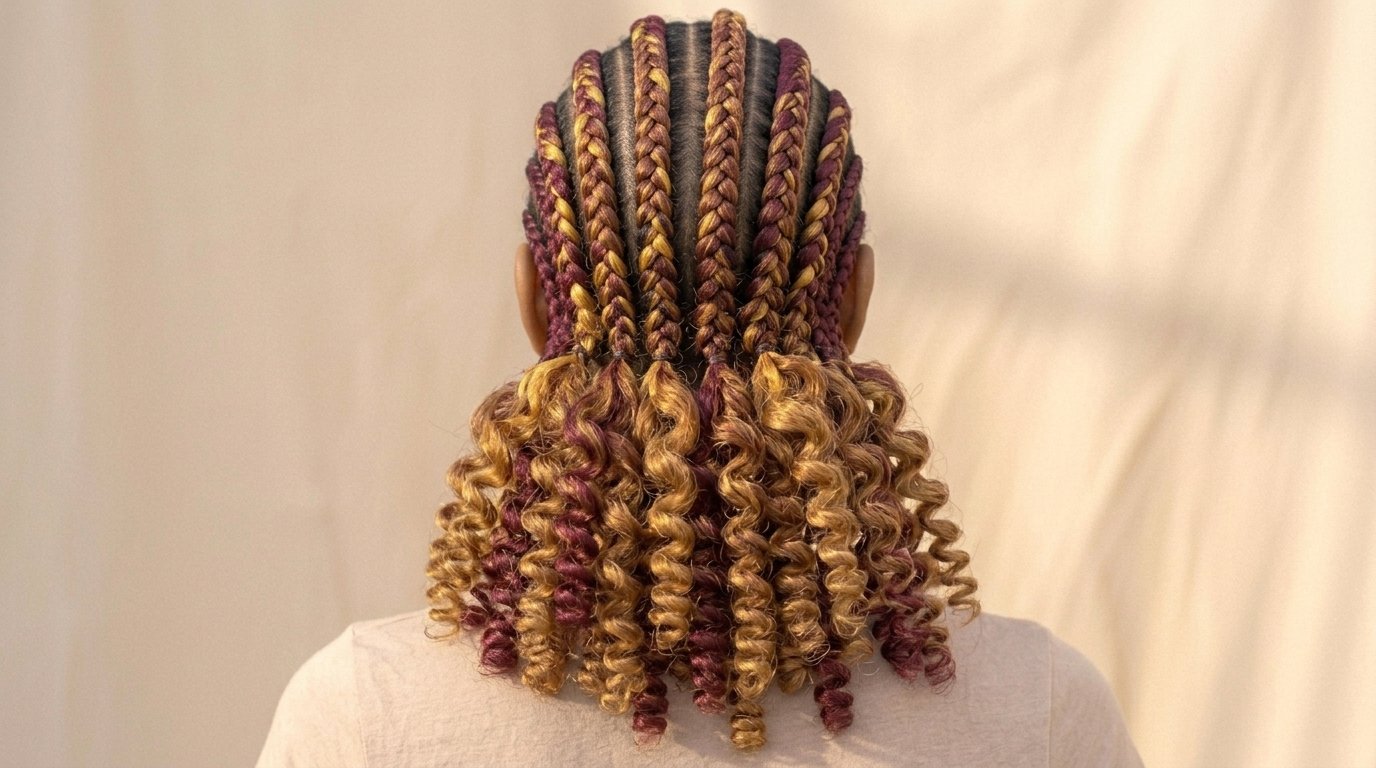
Jumbo Cornrows
Jumbo cornrows use large, oversize rows, so far fewer total rows are needed to cover the whole head. Best for: a quick install and bold, graphic rows, at low maintenance. Tell your braider: "Large, jumbo-size rows, fewer rows overall," often done in under two hours.
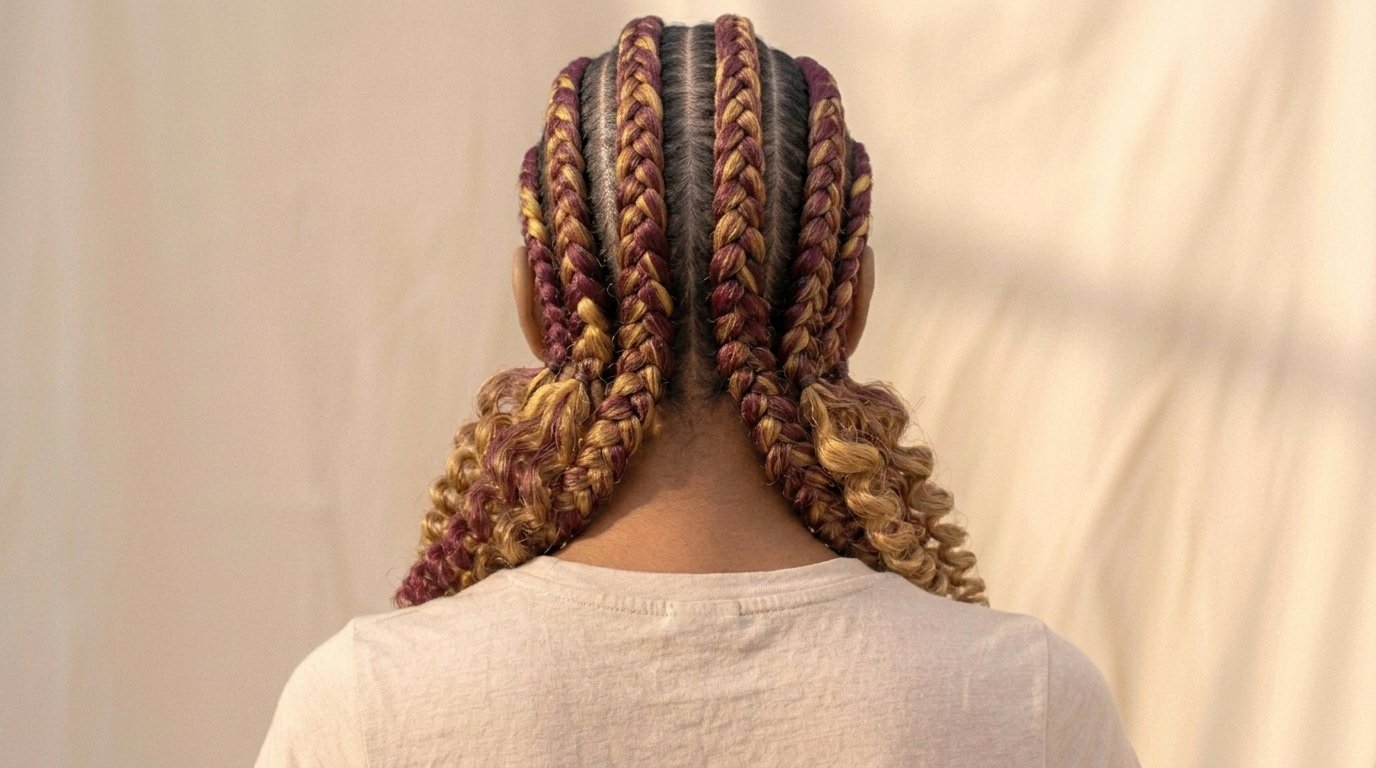
Cornrow Bangs (Fringe)
Cornrow bangs leave a section at the front braided or curled into a fringe, while the rest is braided back in standard cornrows. Best for: square or long face shapes wanting a softer hairline, at medium maintenance. Tell your braider: "Leave a braided or curled fringe in front, cornrows back."
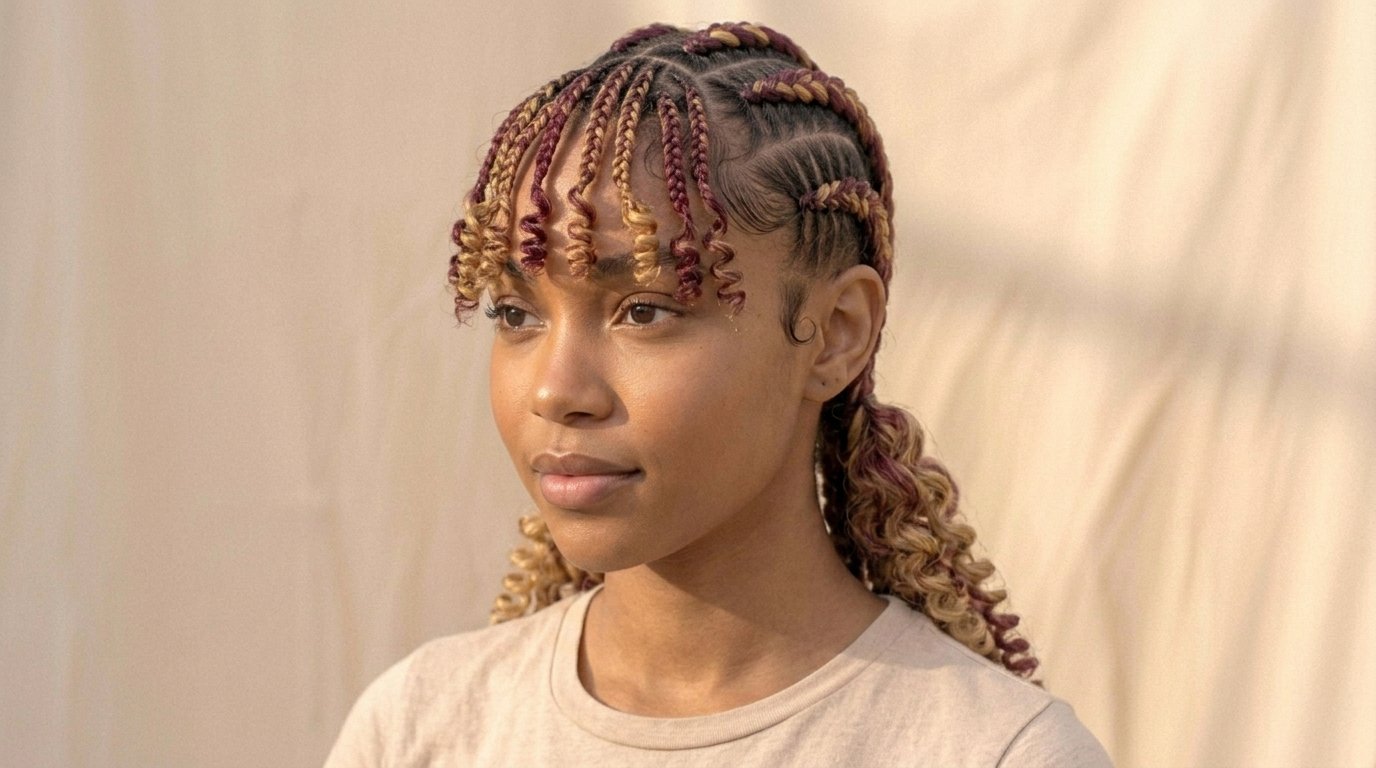
Group 4: Updos, Buns, and Special-Occasion Cornrows
This final group takes cornrows beyond the standard braided-down look, styling them into buns, ponytails, and shapes suited to formal events or active days. Because the base is already flat to the scalp, gathering it into an updo or ponytail adds almost no extra maintenance. A single install can be worn multiple ways depending on the day.
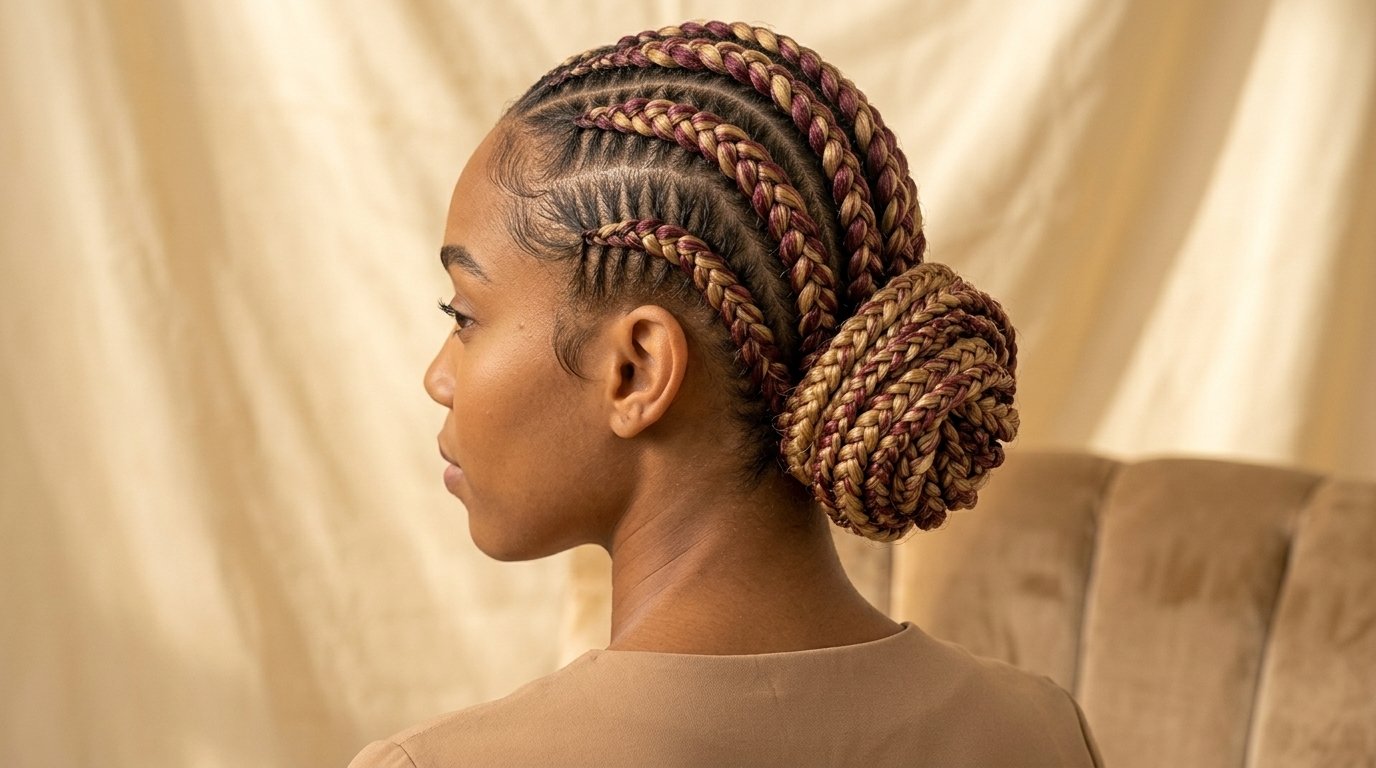
Cornrow Bun or Updo
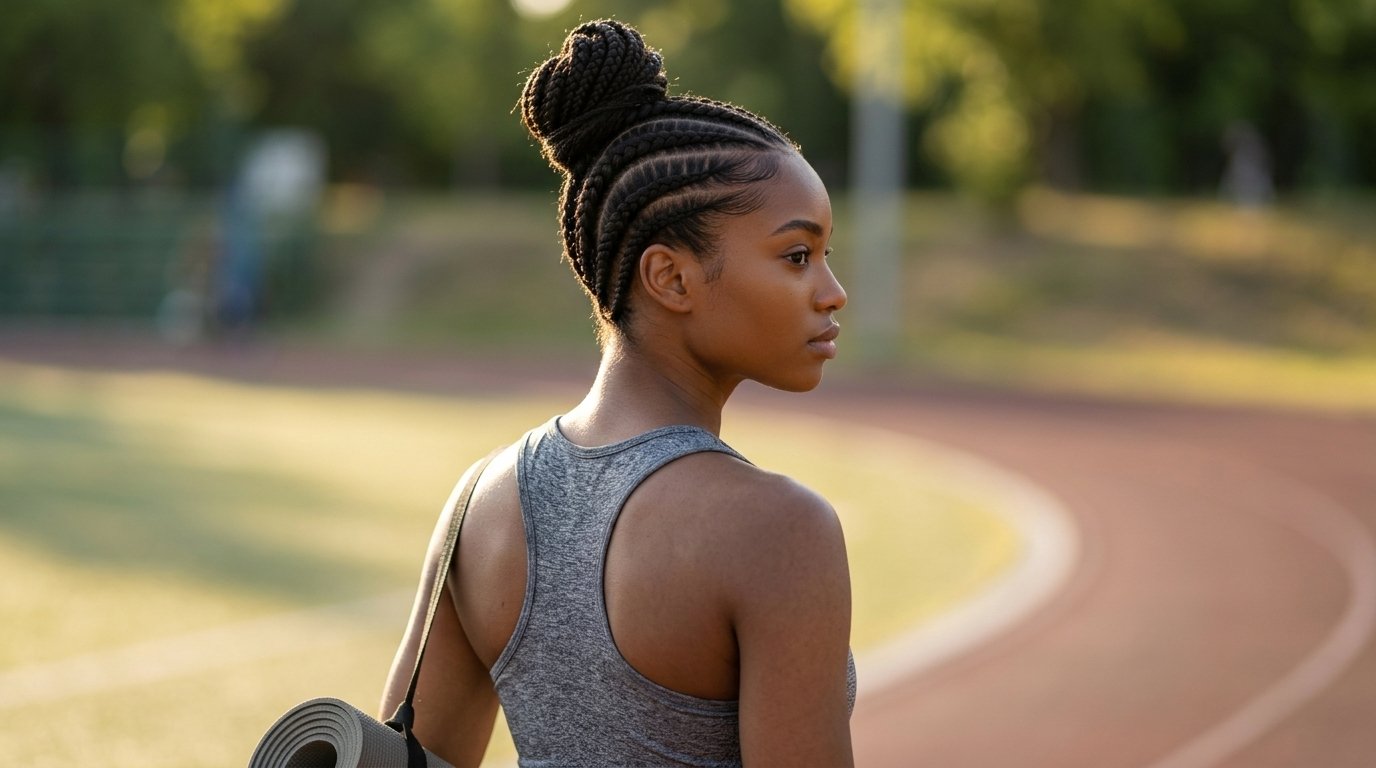
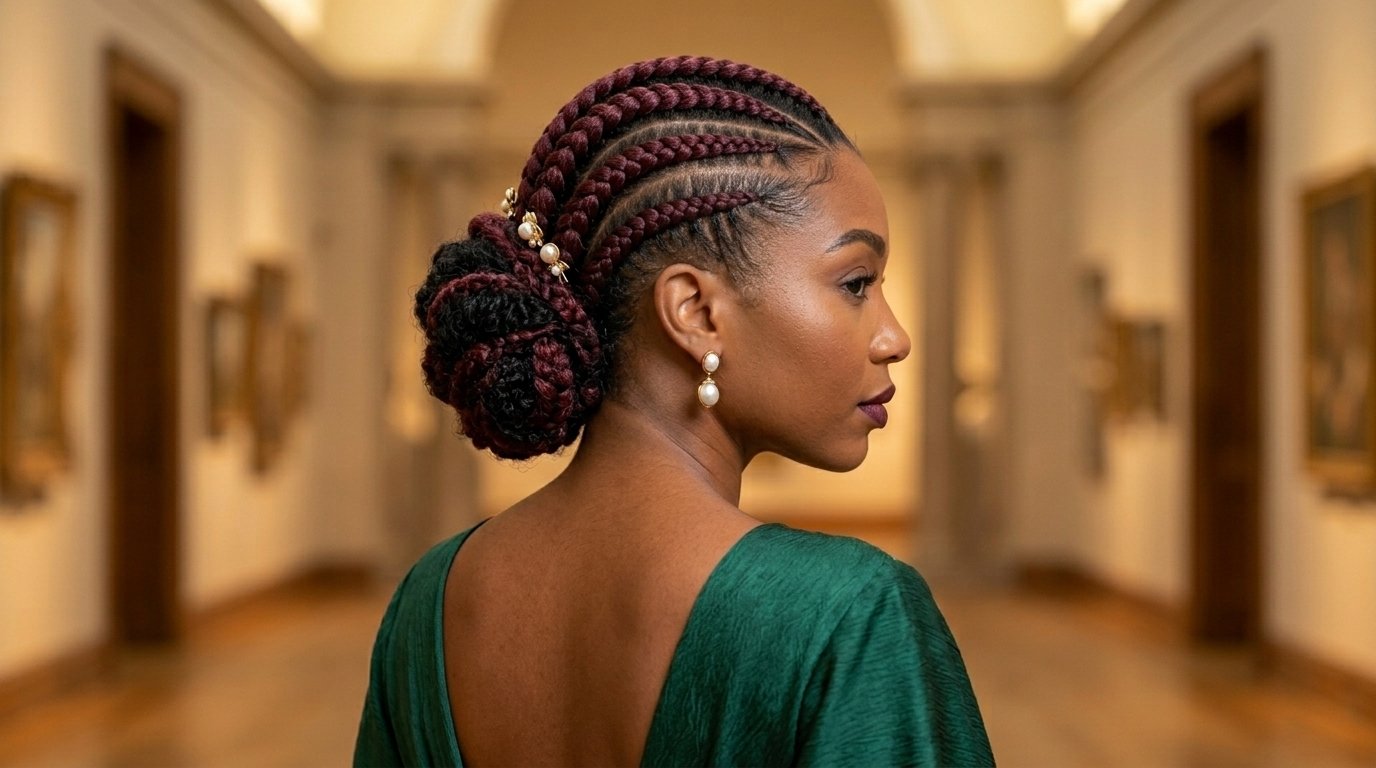
This style gathers all the braided rows up into a bun, at the crown or the nape, once the base cornrows are installed. Best for: work, formal events, or hot weather, with low maintenance once installed. Tell your braider: "Cornrows gathered into a bun at the crown or nape."
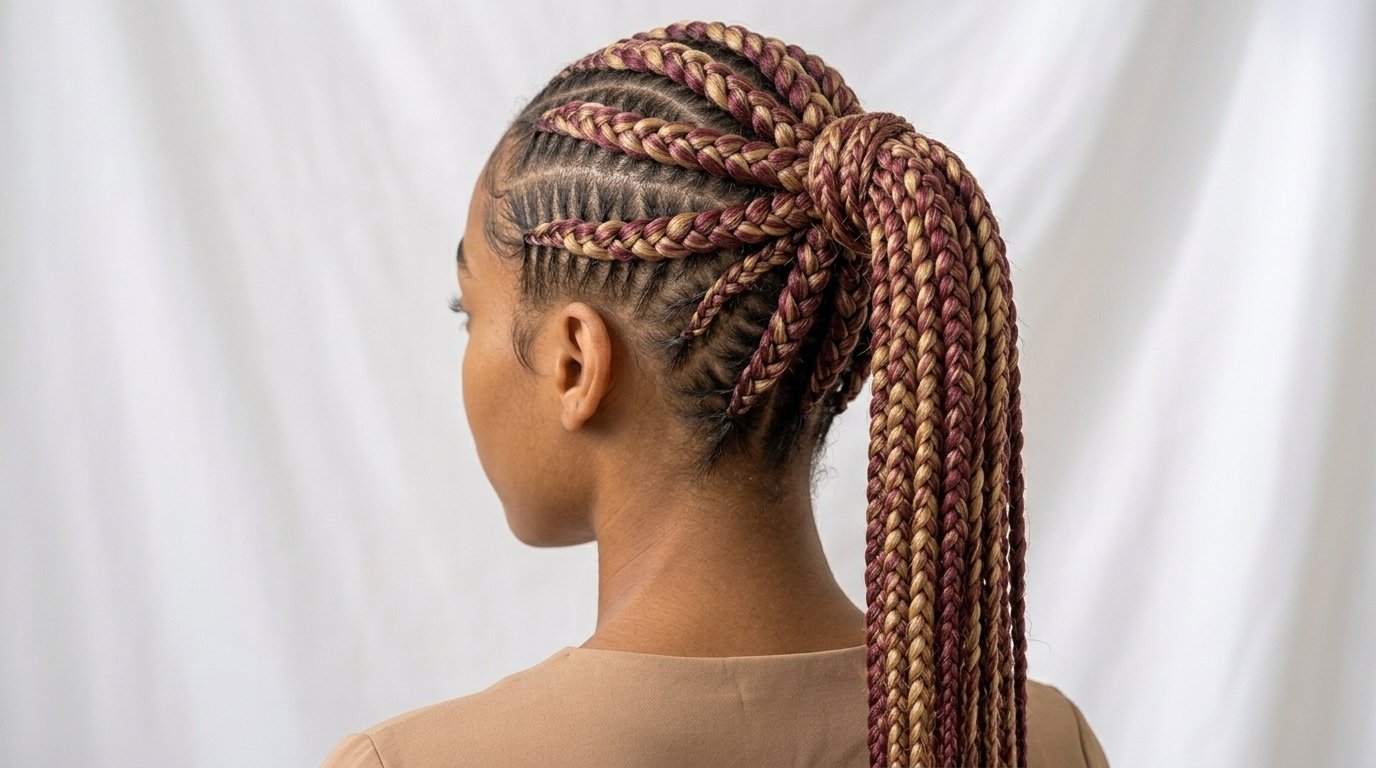
Cornrows Into a Ponytail
This look braids all the rows so they converge at one point at the back, then gathers into a high or low ponytail. Best for: an everyday, versatile look, at low maintenance. Tell your braider: "Cornrows meeting at the back in a high or low ponytail."
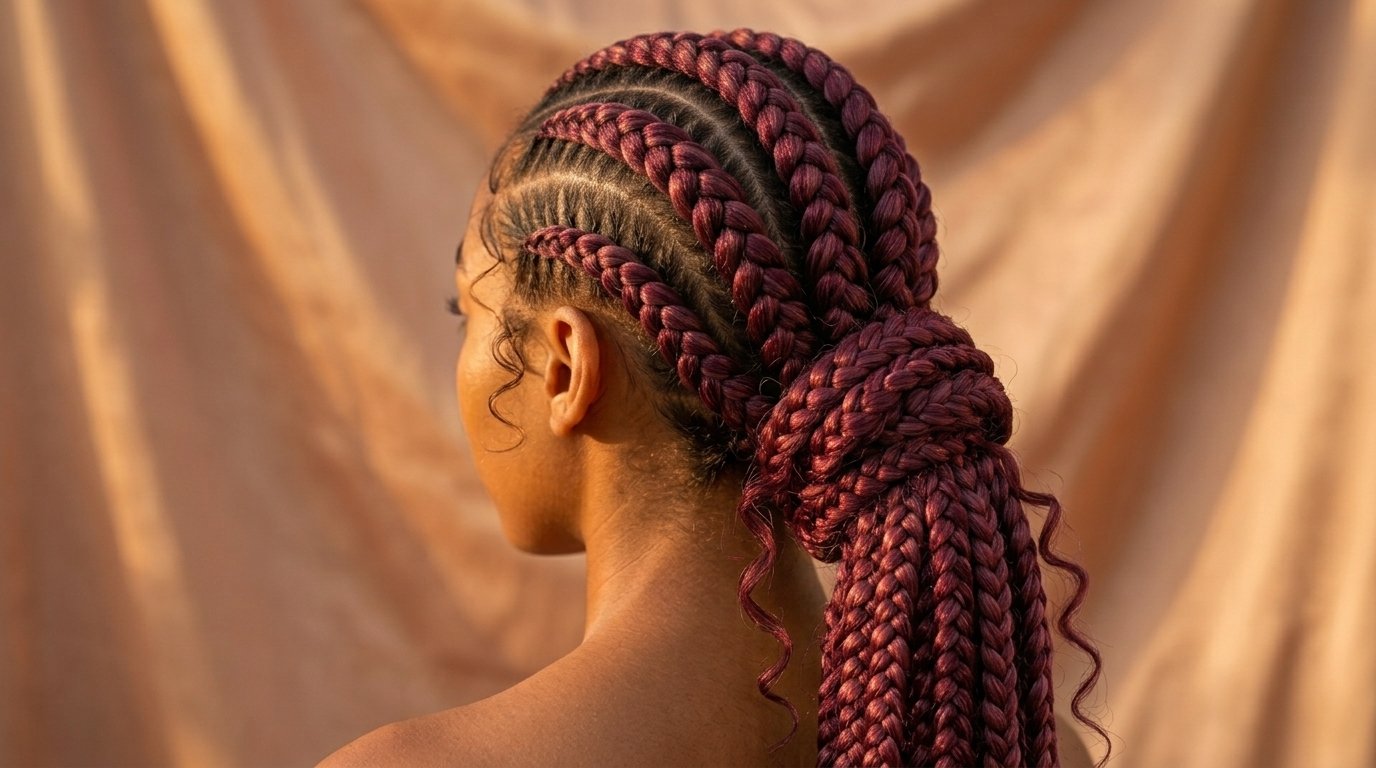
Goddess Braids
Goddess braids use noticeably thicker rows that sit raised off the scalp rather than braided flat for a softer, romantic look. Best for: thicker rows and a romantic finish, at medium maintenance. Tell your braider: "Goddess braids, thicker, raised cornrows, not flat to the scalp."
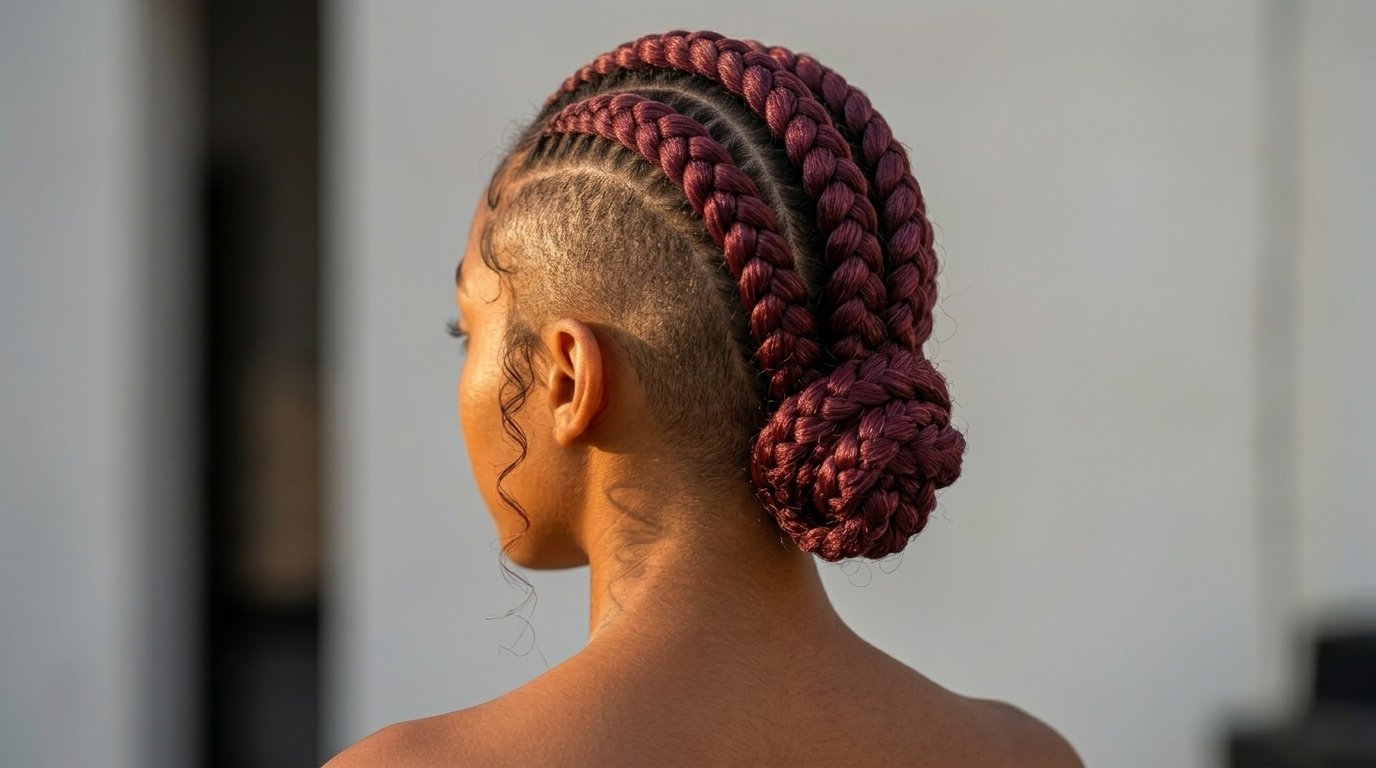
Cornrow Mohawk
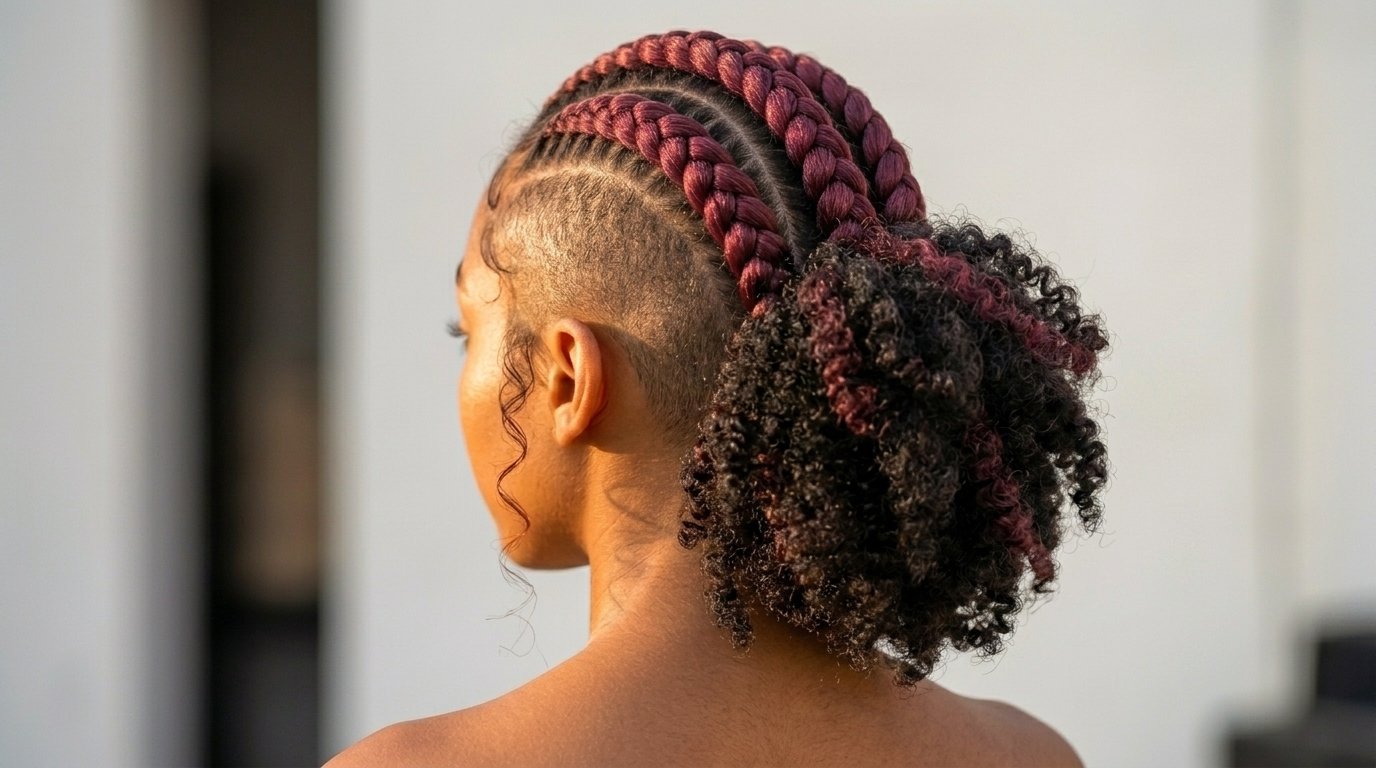
A cornrow mohawk braids the top center section in rows that meet along the crown, while the sides are braided flat or shaved. Best for: an edgier, statement style, at medium maintenance. Tell your braider: "Cornrows meeting at the center in a mohawk pattern, sides can be braided flat or shaved."
Half-Up Cornrows
Half-up cornrows braid only the top section, leaving the bottom half out, either natural, loose, or in its own style. Best for: a style that shifts easily between day and night, at low maintenance. Tell your braider: "Cornrows on the top half only, leave the rest natural or loose."
Side-Swept Cornrows
Side-swept cornrows braid every row from a deep side part so all the rows travel toward one side. Best for: asymmetrical looks and special occasions, at medium maintenance. Tell your braider: "All rows swept to one side, starting from a deep side part."
Choosing Cornrow Hairstyles for Your Face Shape and Hair Type
Choosing Cornrow Hairstyles for Your Face Shape and Hair Type
If you have a round or square face, cornrow hairstyles like straight-back cornrows, Ghana braids, and cornrow bangs tend to work well since they soften angles or add a slimming, tapered line. Oval and long face shapes generally look great in zig-zag patterns, Lemonade braids, or side-swept styles, which add width or asymmetry. Heart-shaped faces tend to suit Fulani braids and Lemonade braids, since both frame the temples and soften a narrower chin. A skilled, licensed braider can always adjust row size and tension to flatter your individual head shape.
Hair density and length also change how comfortable a style feels day to day. Finer hair generally does best with feed-in techniques or smaller sections, while very short natural hair tends to suit cornrow bobs, micro cornrows, or feed-in techniques best. If you are weighing cornrows against another braid family, our box braid styles guide is a useful comparison for a different braid silhouette.

Caring for and Maintaining Your Cornrow Hairstyles
Caring for and Maintaining Your Cornrow Hairstyles
How long your cornrow hairstyles last depends on the specific style, not a blanket rule. Everyday sizes like straight-back and feed-in cornrows typically hold up for two to four weeks before the hairline looks grown out. Jumbo rows and bun styles often need a refresh sooner, while micro or detailed patterns can last longer but need more frequent edge and scalp attention.
Scalp care matters just as much as picking the right style. Cleanse your scalp regularly with a lightweight foam cleanser or diluted shampoo, and keep edges moisturized with a light oil to prevent dryness and flaking. According to the American Academy of Dermatology's guidance on hairstyles that pull, styles braided too tightly can pull on the follicle and contribute to traction alopecia, so real pain, tenting, or headaches is a signal to ask your braider for a looser install.
Sleep and swim care both have simple answers. At night, wrap your cornrows with a satin or silk bonnet or scarf to reduce friction and preserve laid edges. If you swim, rinse with fresh water afterward, let hair dry fully, and reapply a light oil to prevent dryness.
When it is time to take the style down, remove cornrows gently with a detangling conditioner or lightweight oil to soften the hair before unbraiding, rather than ripping the rows apart while dry. Cost and appointment length vary by style complexity, since jumbo rows are fastest and most affordable while micro or custom patterns take longer and cost more. Ask your braider directly about pricing and appointment length before you book.
FAQs About Cornrow Hairstyles
FAQs About Cornrow Hairstyles
Do Cornrows Damage Your Hair?
Cornrows themselves are not inherently damaging when installed and cared for properly, since the technique protects your ends from daily friction. The real risk comes from styles braided too tightly, which can contribute to traction alopecia over time. If any style causes real pain or visible tenting, ask your braider to loosen it right away.
How Long Do Cornrows Last?
Most everyday cornrow hairstyles, like straight-backs and feed-in rows, last comfortably for two to four weeks before the hairline needs attention. Jumbo and bun styles may need a refresh sooner since new growth shows more visibly. Micro or detailed pattern styles can stretch longer but need more frequent scalp and edge care.
Can You Swim or Sleep in Cornrows?
Yes, cornrows can handle both swimming and sleep with simple care. Wrap them in a satin or silk bonnet at night to reduce friction against your pillowcase. After swimming, rinse thoroughly with fresh water, let hair dry fully, and reapply a light oil to prevent dryness.
Why Does My Scalp Itch Under Cornrows?
Itching under cornrows usually comes from product buildup, dryness, or a scalp that has not been cleansed properly since the braids went in. A lightweight foam cleanser applied directly to the scalp can help relieve itching without disturbing the pattern. Persistent or severe itching is worth mentioning to a dermatologist.
How Do You Take Cornrows Down Without Breakage?
Apply a detangling conditioner or lightweight oil to soften the hair before you begin unbraiding, then work slowly section by section rather than pulling rows apart while dry. Start from the ends and work up toward the root to minimize breakage. Give yourself plenty of time, since rushing a takedown is a common cause of unnecessary hair loss.
Cornrow hairstyles earn their spot as one of the most versatile protective styles around, flexing from a five-minute straight-back to an elaborate, occasion-ready tribal pattern while your hair never sits exposed to daily wear and tear. Whichever of these 22 cornrow hairstyles catches your eye, you now have the face shape fit, the maintenance reality, and the exact words to bring to your braider so the appointment goes smoothly the first time. Save your favorite look to Pinterest or screenshot its "tell your braider" line before your next booking, and browse our full braided hairstyles roundup for even more protective style ideas to keep in rotation.
Your email address will not be published. Required fields are marked *