
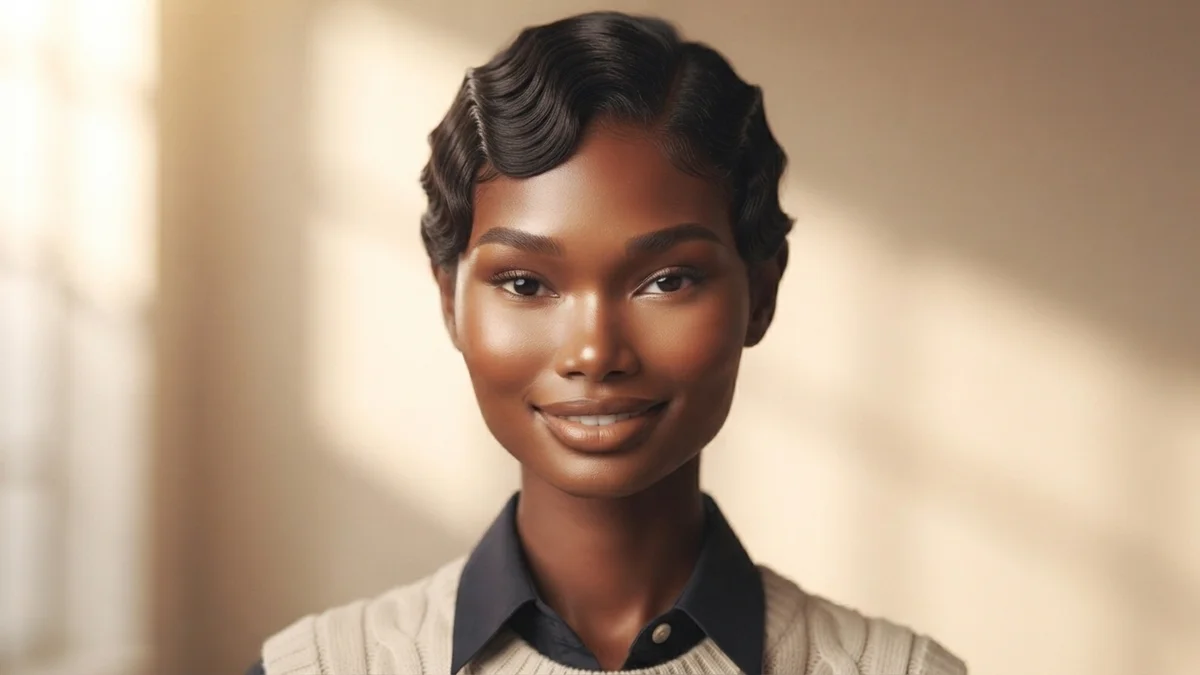
Finger wave hairstyles for Black women work on nearly any short cut, from a fresh pixie to natural 4C coils, and this guide skips the usual filler. You will find styles by texture and occasion, a real wet-set method, product picks, a maintenance routine, and a troubleshooting section for when your waves melt before noon. For the deeper backstory, the Denver Public Library's Special Collections archive covers the style's 1920s roots.
Finger Waves vs Pin Curls: What Is the Difference
Finger Waves vs Pin Curls: What Is the Difference
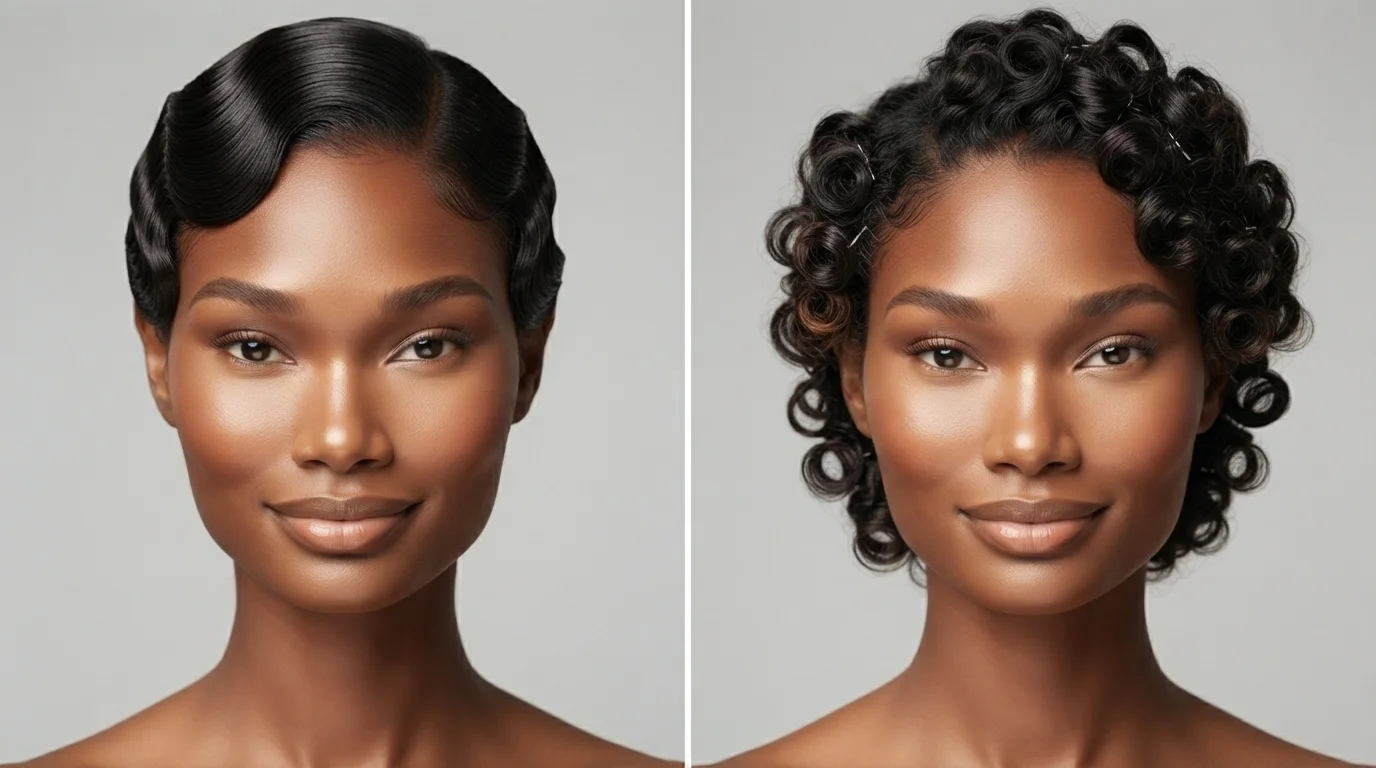
A finger wave is a flat, S-shaped ridge combed into wet hair and pinched into place with your fingers and a comb, lying close to the scalp. A pin curl is an individual section rolled into a circle and pinned flat, usually reinforcing the ends of a wave set once length runs out. On hair shorter than two inches, the two almost always pair up, since waves take the front and crown while curls finish the nape and hairline.
Ask for "waves with pin-curled ends" if your hair sits under two inches all over. Closer to three or four inches, request a fuller wave set through the crown with curls just at the nape. Naming the distinction before you sit in the chair saves a confusing back-and-forth.
How to Do Finger Waves on Short Hair: Step-by-Step Wet-Set Method
How to Do Finger Waves on Short Hair: Step-by-Step Wet-Set Method
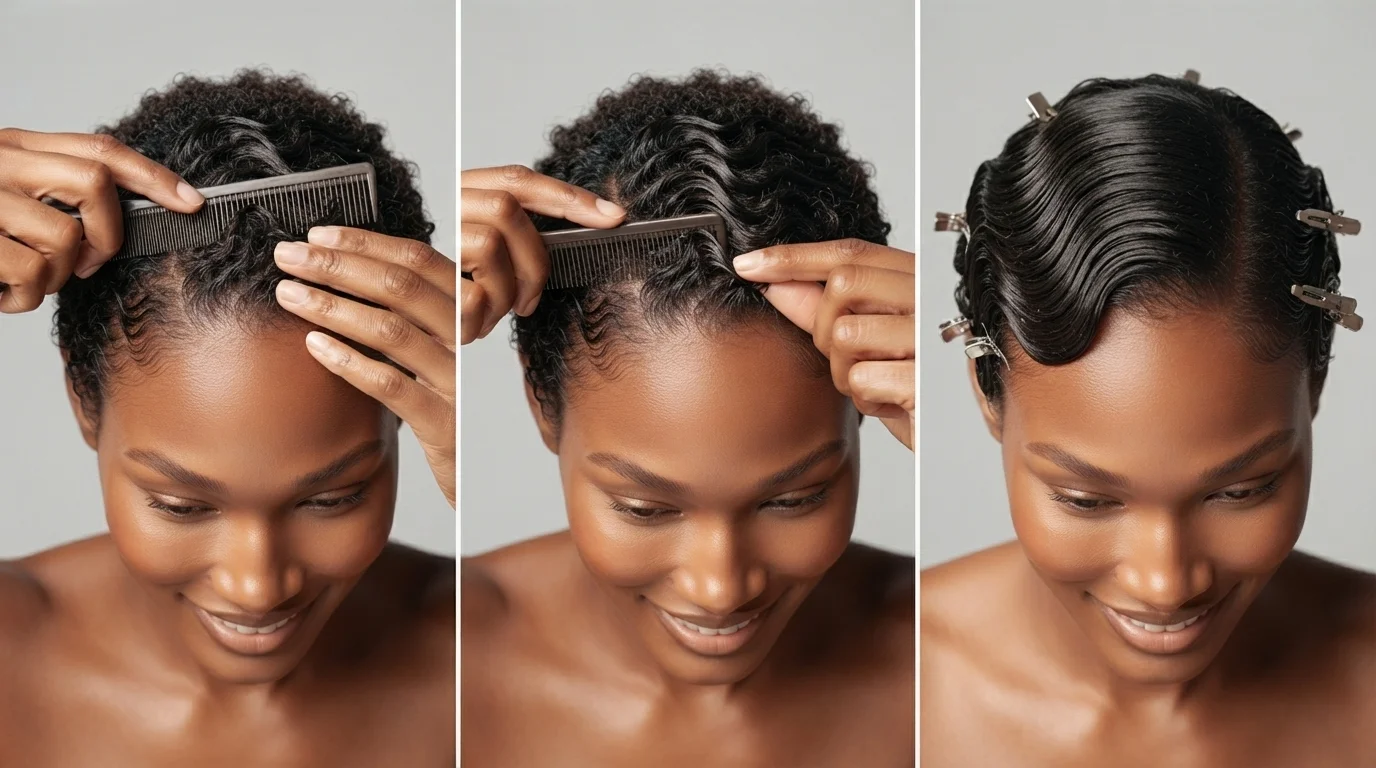
Short hair needs small adjustments versus tutorials made for longer hair: smaller sections, more gel, and more patience during drying. Follow these steps in order and resist rushing the dry time, since that's where most attempts fall apart.
- Start with clean, product-free hair. Mist with water or wash with a lightweight shampoo, since buildup keeps gel from gripping the strand.
- Apply a firm-hold gel in small sections. Work it through section by section for even coverage.
- Comb the S-pattern from the hairline. Push hair one direction, then reverse for the next ridge.
- Pinch and hold each ridge with duckbill clips. Clip directly on the ridge line so the shape locks in.
- Dry completely under a hooded dryer or air-dry. A hooded dryer takes 20 to 40 minutes; air-drying takes longer.
- Remove clips and mist with a light finishing spray. Avoid brushing the pattern, since brushing breaks the S-shape.
Expect 30 to 45 minutes of hands-on time plus the dry time above. The biggest mistake is skimping on product because sections look small: shorter strands need more gel, not less, to hold a defined ridge.
Best Products and Tools for Finger Waves on Short Hair
Best Products and Tools for Finger Waves on Short Hair
The right tools matter more here, since there's less length to hide an uneven section or a weak hold, especially on coarser textures where the wrong product can undo the whole set.
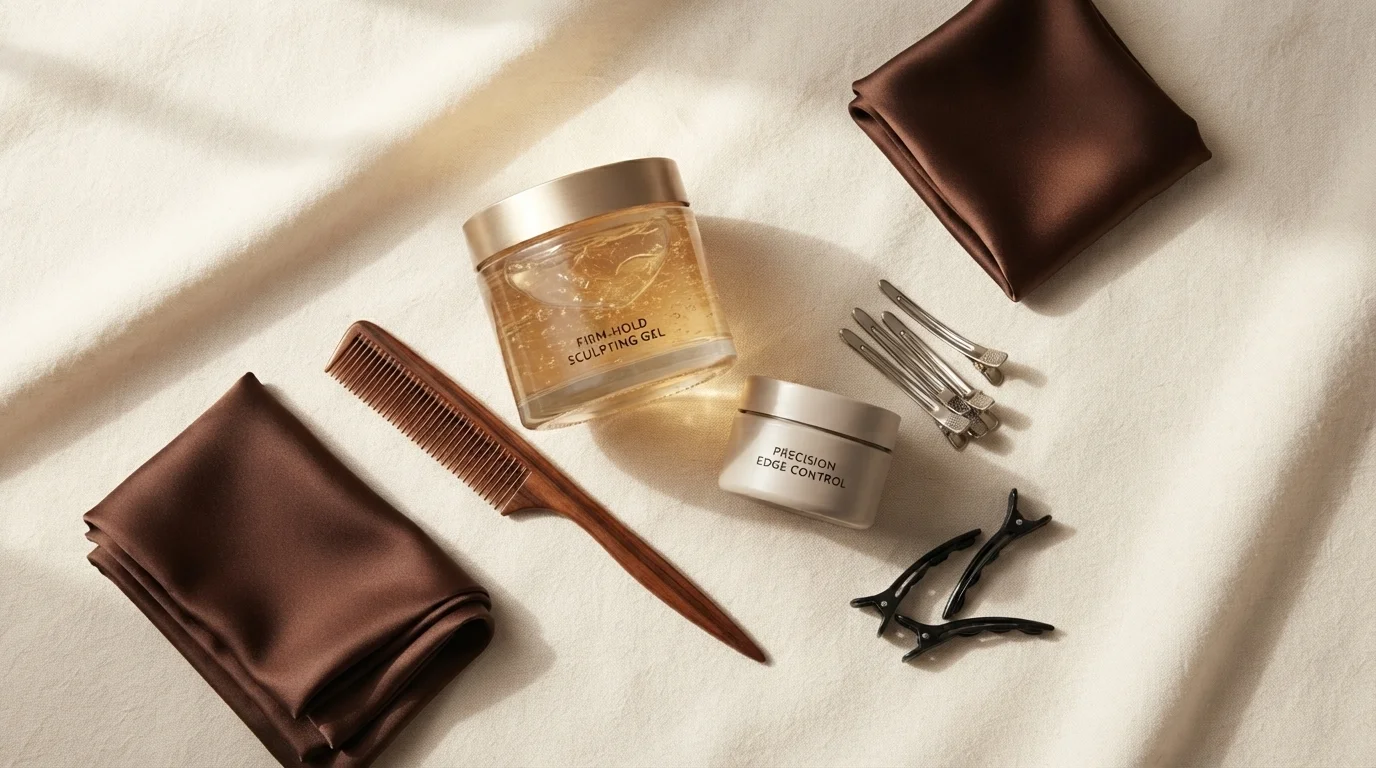
- Firm-hold sculpting gel: locks the S-pattern in place with less weight to help it stay put.
- Edge control: defines the hairline where waves transition into pin curls.
- Fine-tooth comb: creates the crisp, narrow S-shape short hair needs.
- Duckbill clips: hold each ridge exactly where you shaped it.
- Hooded dryer: cures the gel into a longer-lasting finish than air-drying alone.
You don't need every premium option to get a good result. See a full breakdown of styling products built for short hair if this becomes a regular style.
20 Finger Wave Hairstyles for Black Women by Texture and Occasion
20 Finger Wave Hairstyles for Black Women by Texture and Occasion
The 20 styles below are grouped first by texture and cut, then by occasion, so you can find your match either way. Every entry names who it suits and one practical note on time, upkeep, or what to say in the chair.
Finger Waves on 4A–4C Natural Hair
Classic two-wave crown. Two symmetrical ridges cross the crown while the rest stays smooth. It suits blown-out 4C coils and round or oval faces best. Expect about 30 minutes with a firm-hold gel.
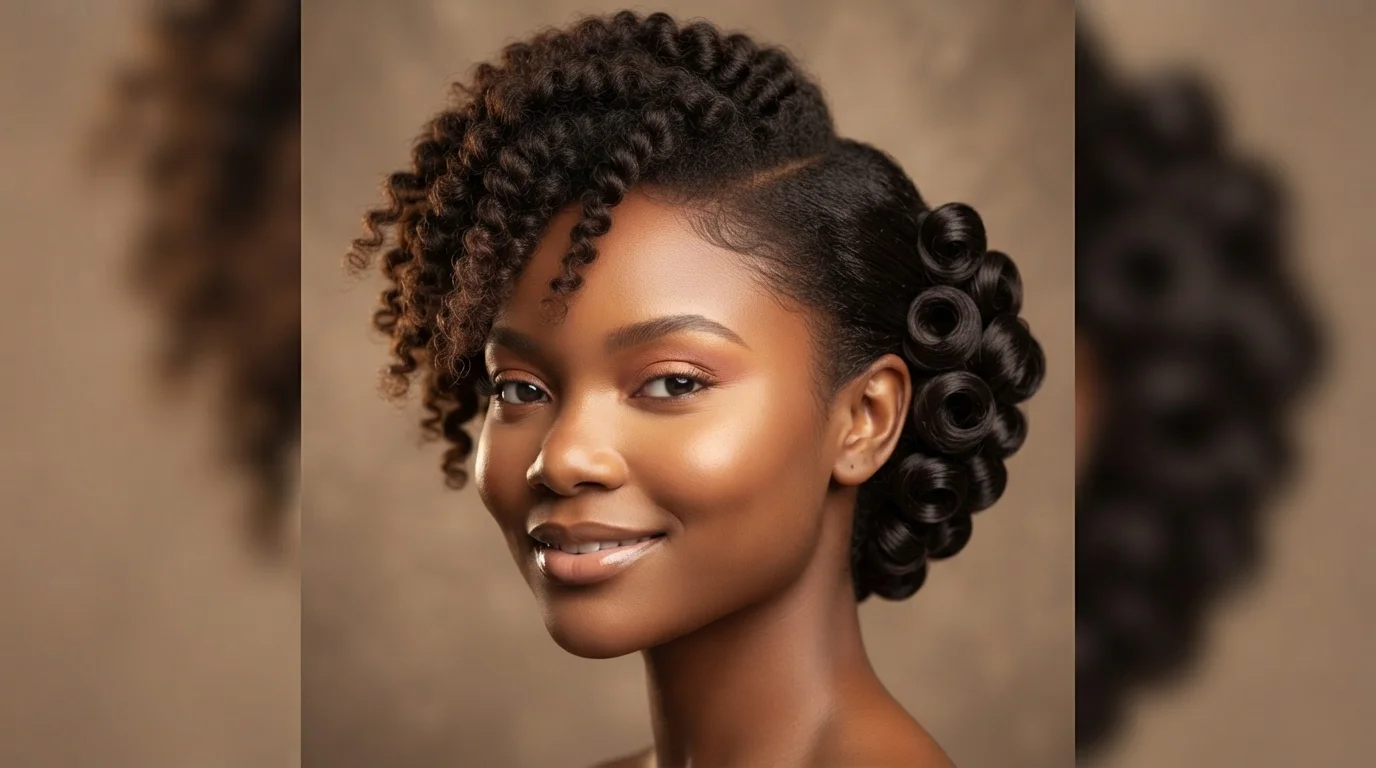
Pin-curled nape with a 4A twist-out front. A soft twist-out stays up top, finished with tight pin curls at the nape. It's a good wash-day option that reads polished for work. It also uses less gel, so it feels lighter on 4A strands.
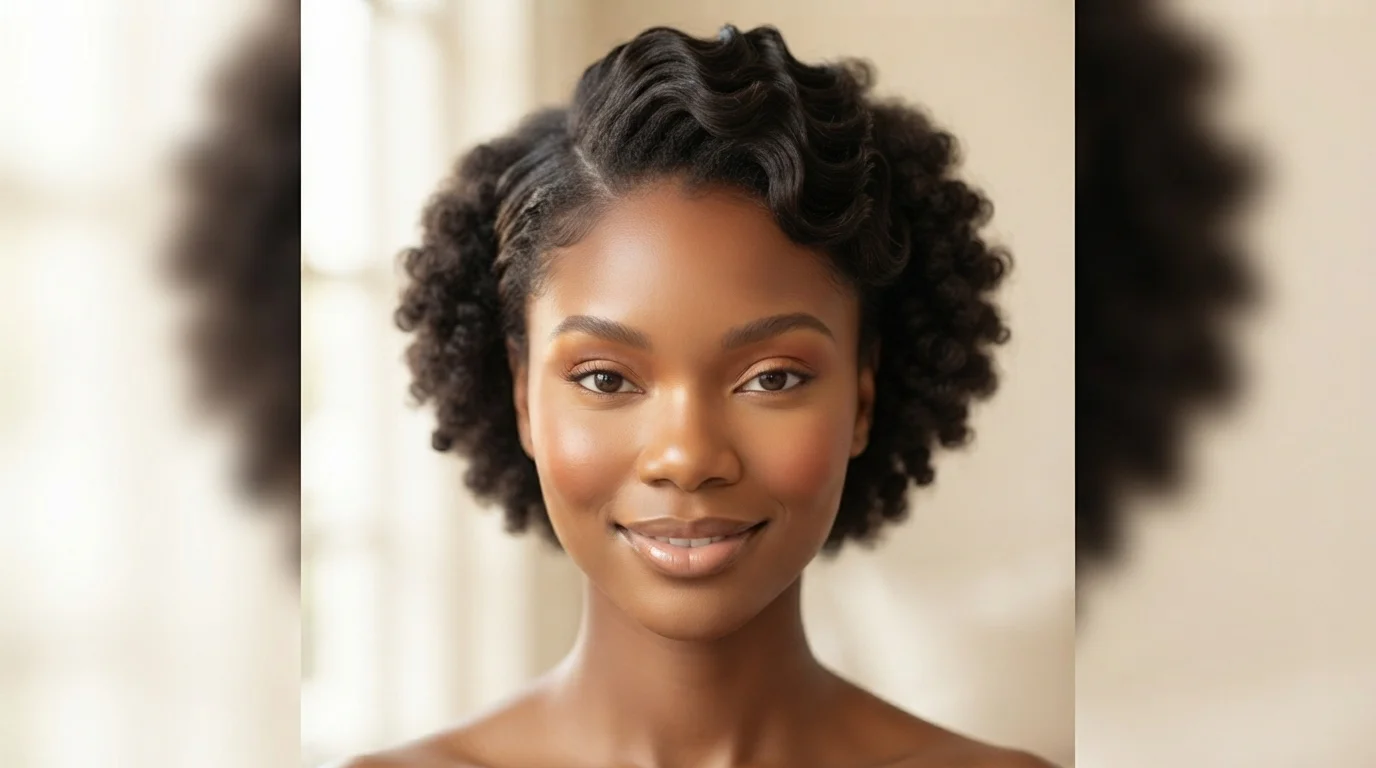
Freeform waves over a natural afro puff. Waves set only around the front hairline while the rest stays a natural puff. It suits anyone newly wearing hair short after a big chop guide. It's also one of the faster options here.
Finger Waves on Relaxed Short Hair
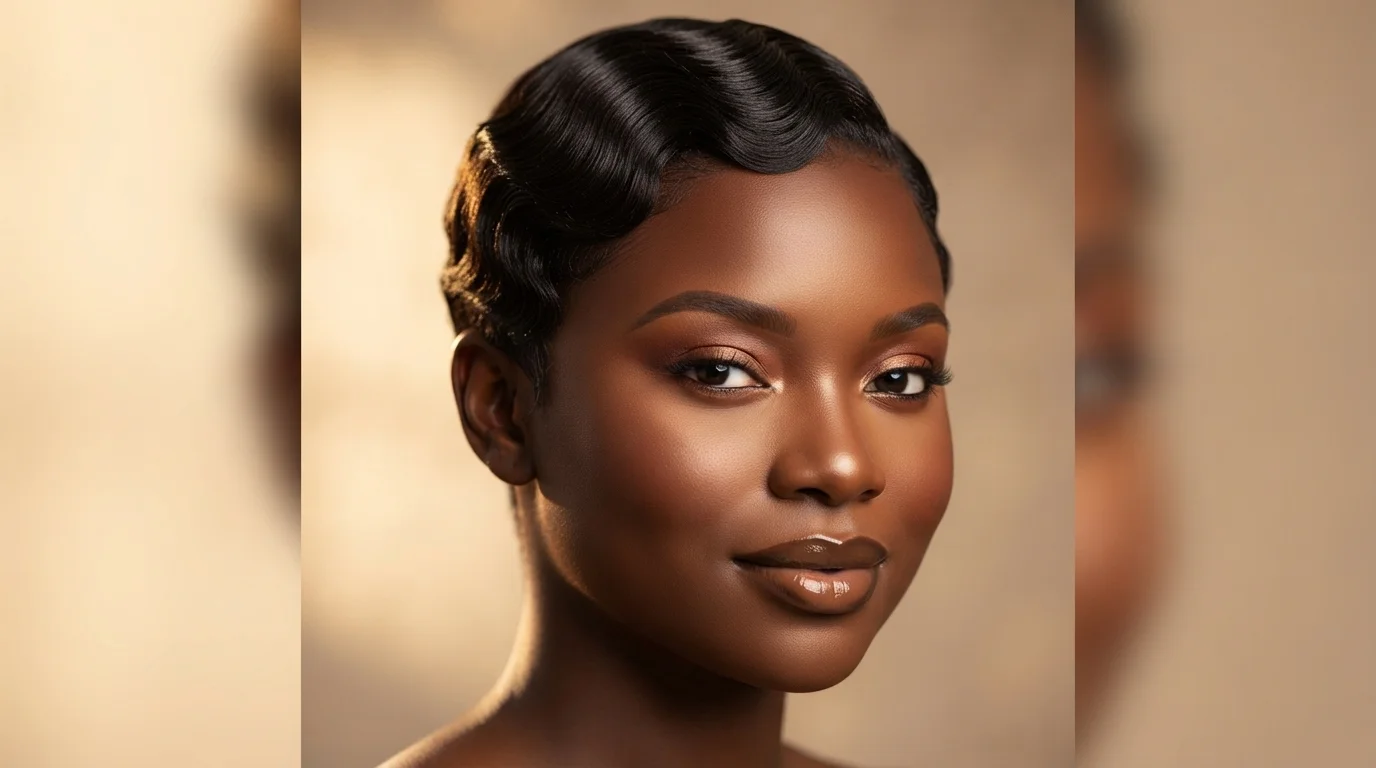
Sleek single-part waves on a relaxed bob. A deep part with two or three ridges gives relaxed hair a polished finish. Square and heart faces benefit most. Relaxed strands hold the pattern days longer than natural texture.
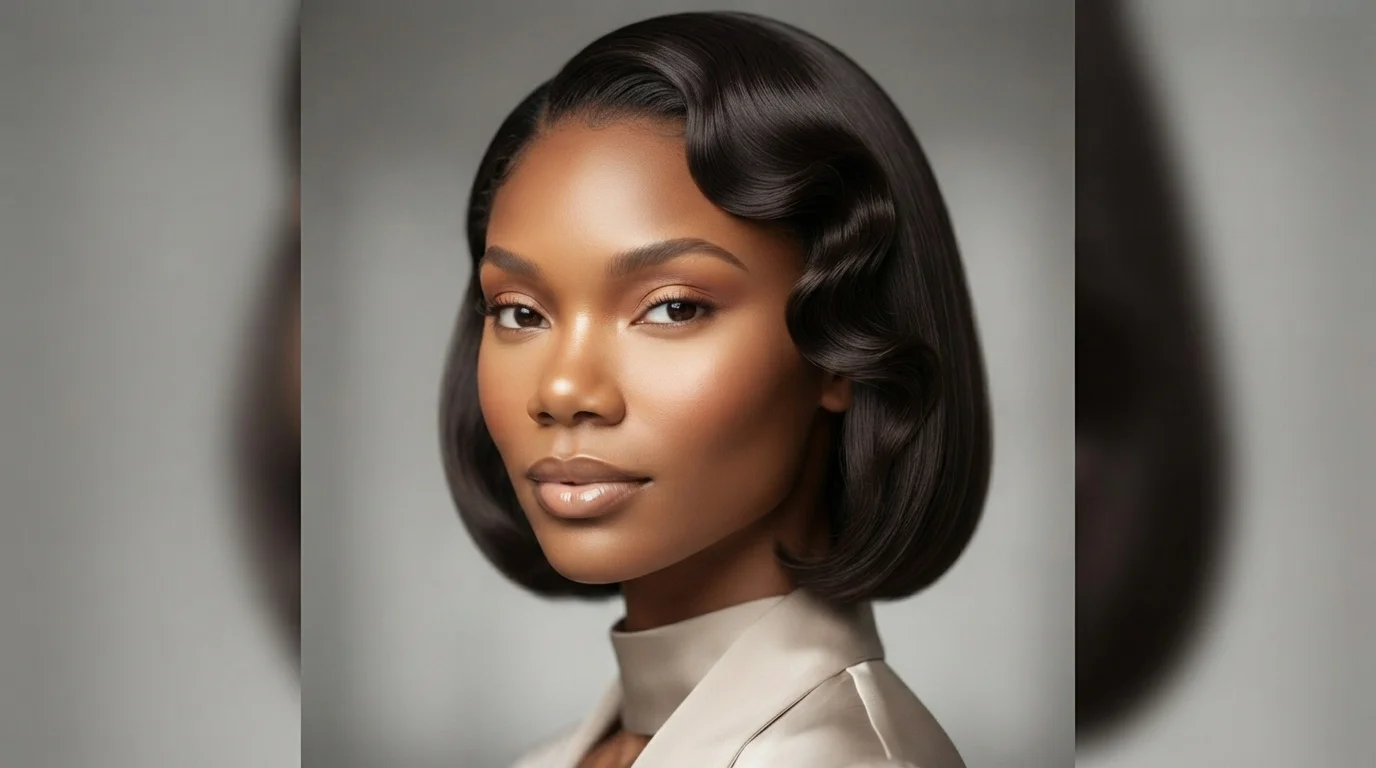
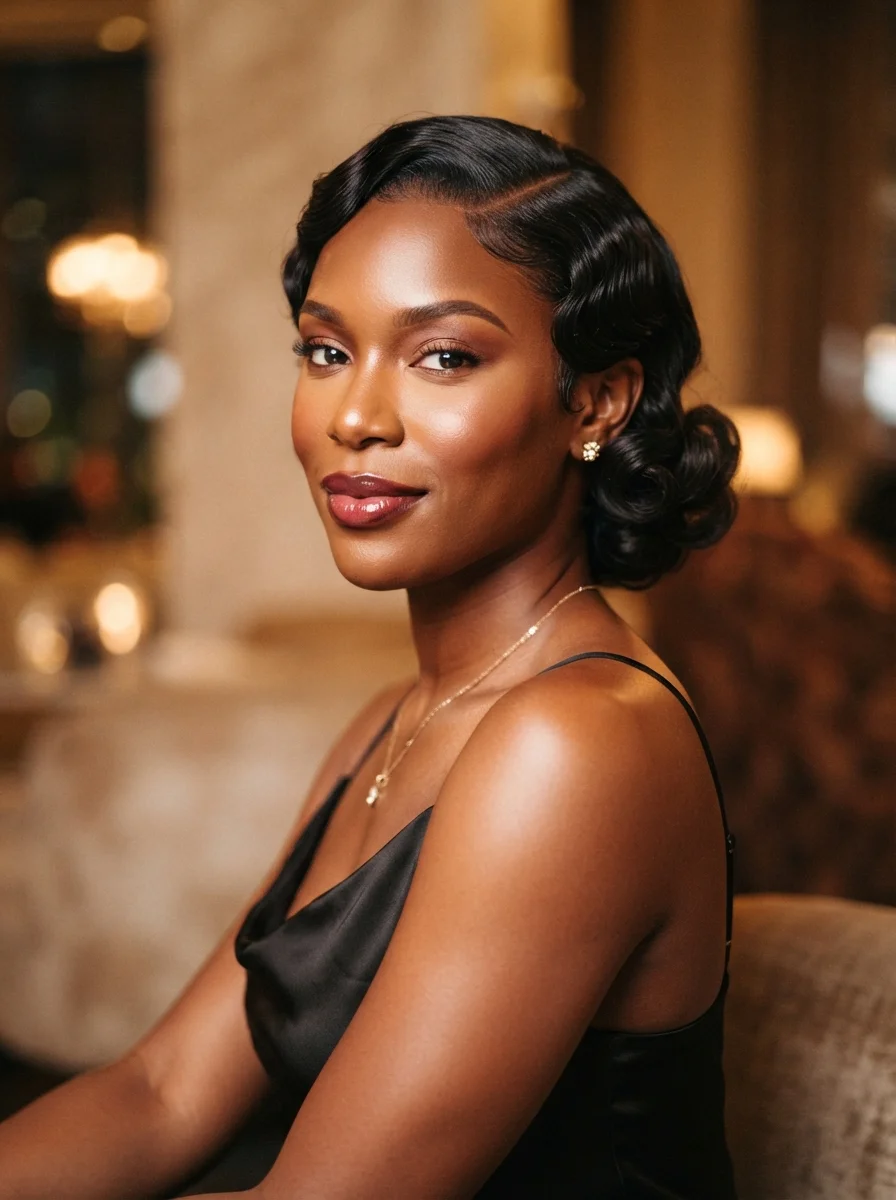
Deep side-part waves with curled ends. A dramatic part pairs with crown waves and soft curled ends for a going-out feel. It suits somewhere dressier. Ask for extra curl definition at the ends, since relaxed hair can look flat there.
Finger Waves on a Pixie Cut
Micro finger waves on a classic pixie. Very small, tight ridges concentrate at the front hairline instead of covering the whole head. It suits a special-occasion upgrade without losing low maintenance. Our bixie cut guide covers which lengths hold a wave best.
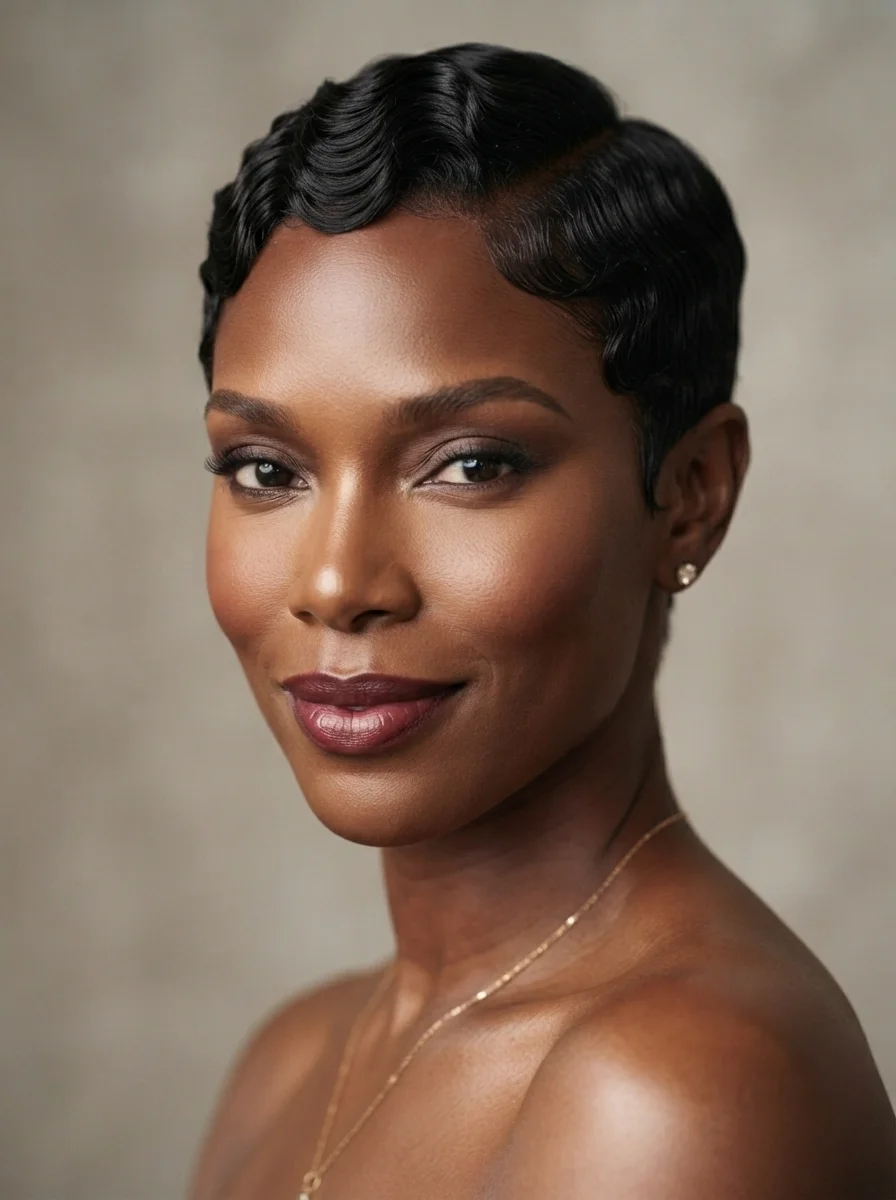
Textured pixie fringe with a single wave. One soft ridge crosses the fringe while the sides keep their natural pixie texture. It suits something office-appropriate and low-drama. The set takes under 20 minutes, since there's only one section.
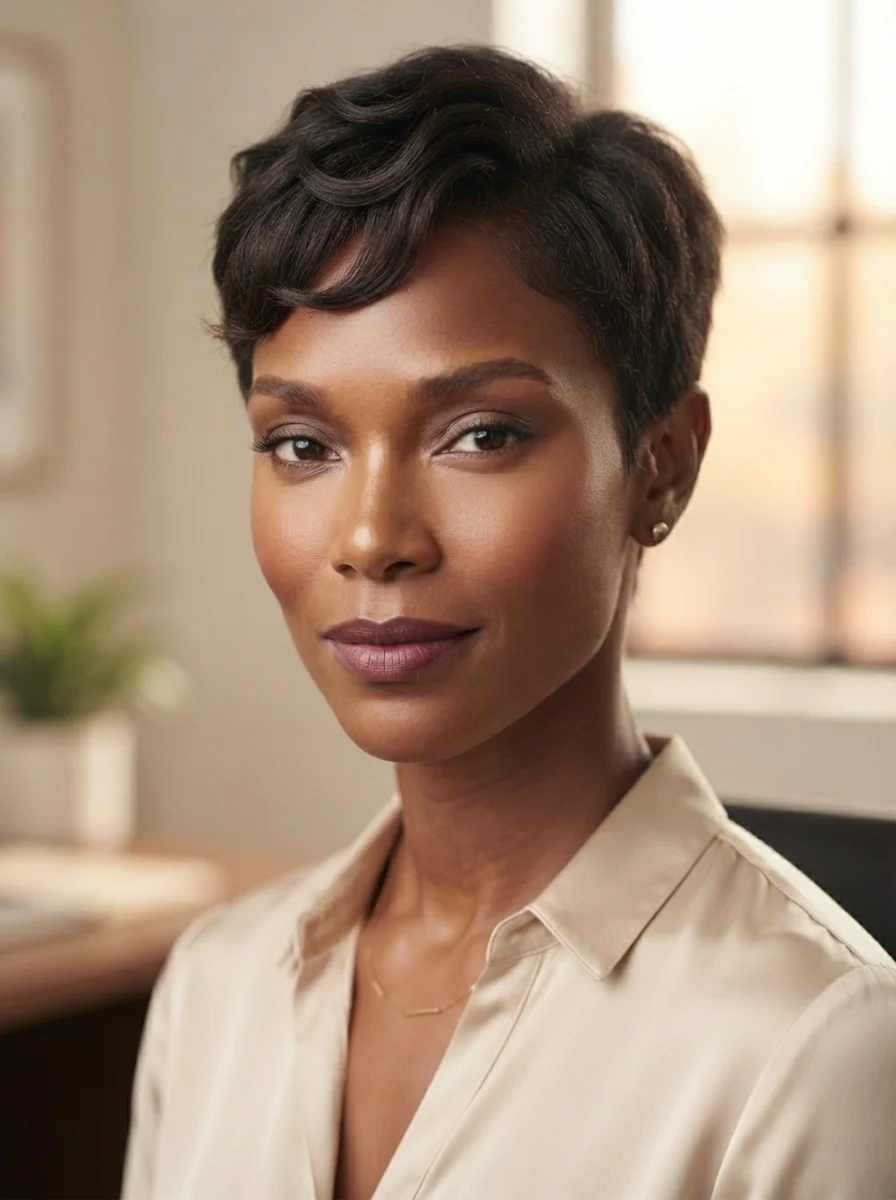
Bixie waves with soft layers. The longer crown layers on a bixie give enough length for two soft ridges blending into the shorter sides. Round or oval faces get extra height at the crown. It also holds well on second-day hair.
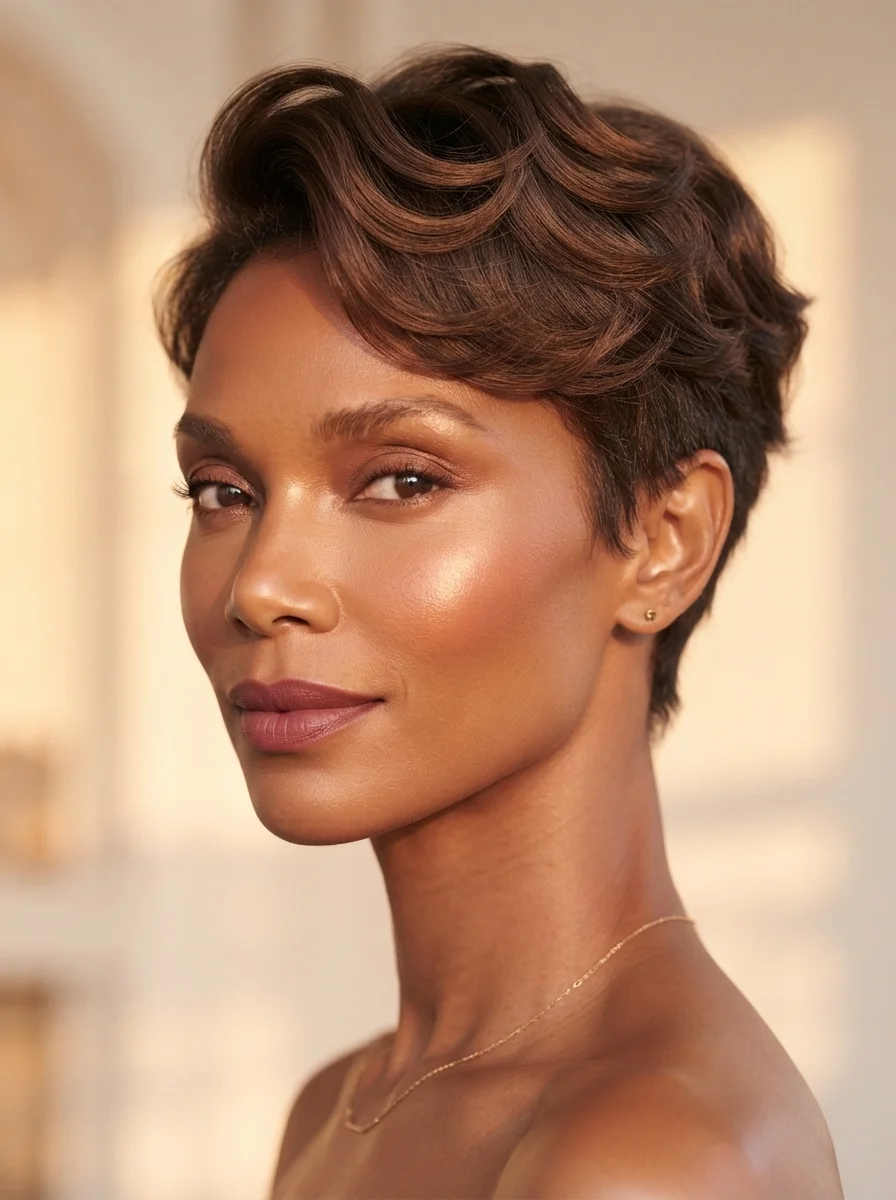
Finger Waves With Tapered or Faded Sides
High-fade waves with a sculpted top. A crisp high fade paired with two or three top waves creates striking contrast. It suits anyone who already keeps up with fade maintenance. Ask for the fade first and the wave set second.
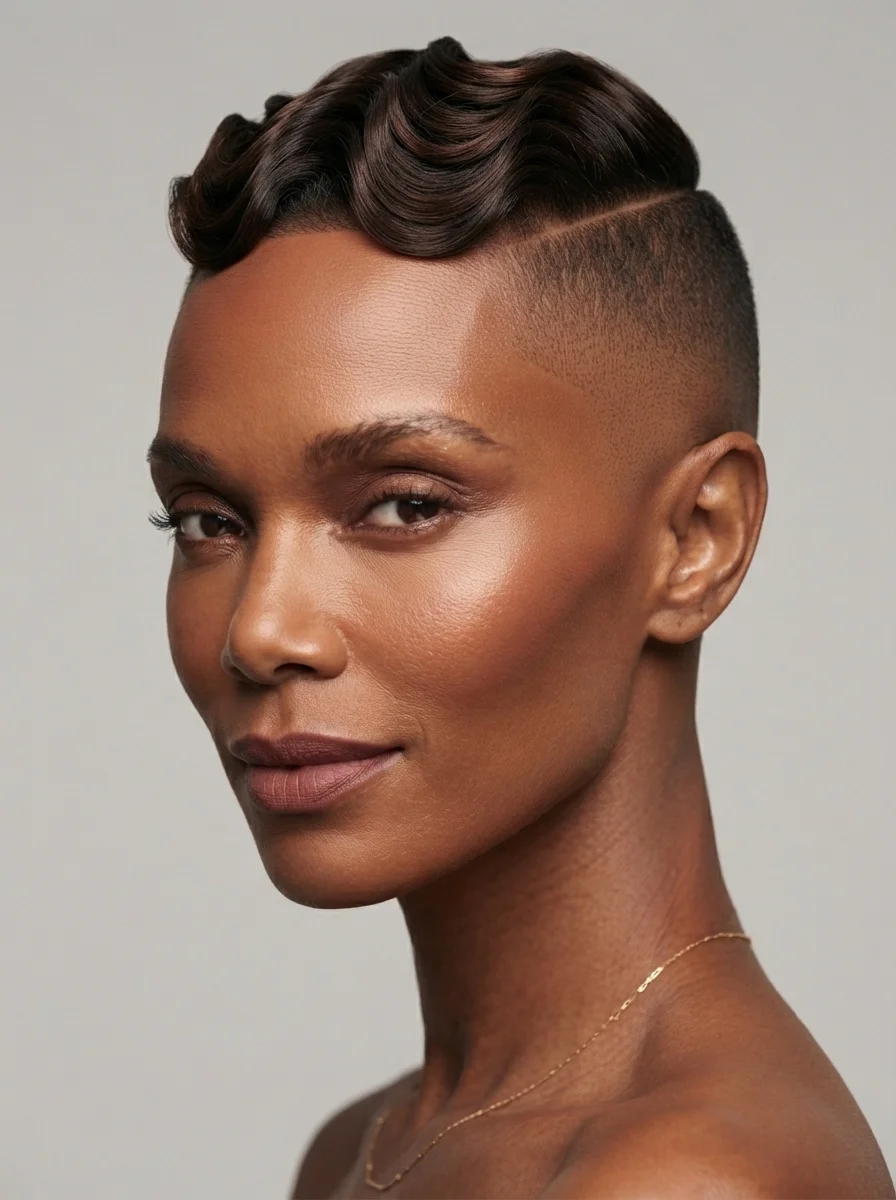
Low taper with nape detailing. A gentler taper keeps more length at the sides while the nape gets a clean line. It suits an edgier look without a high fade's contrast. Expect a touch-up every four to five days.
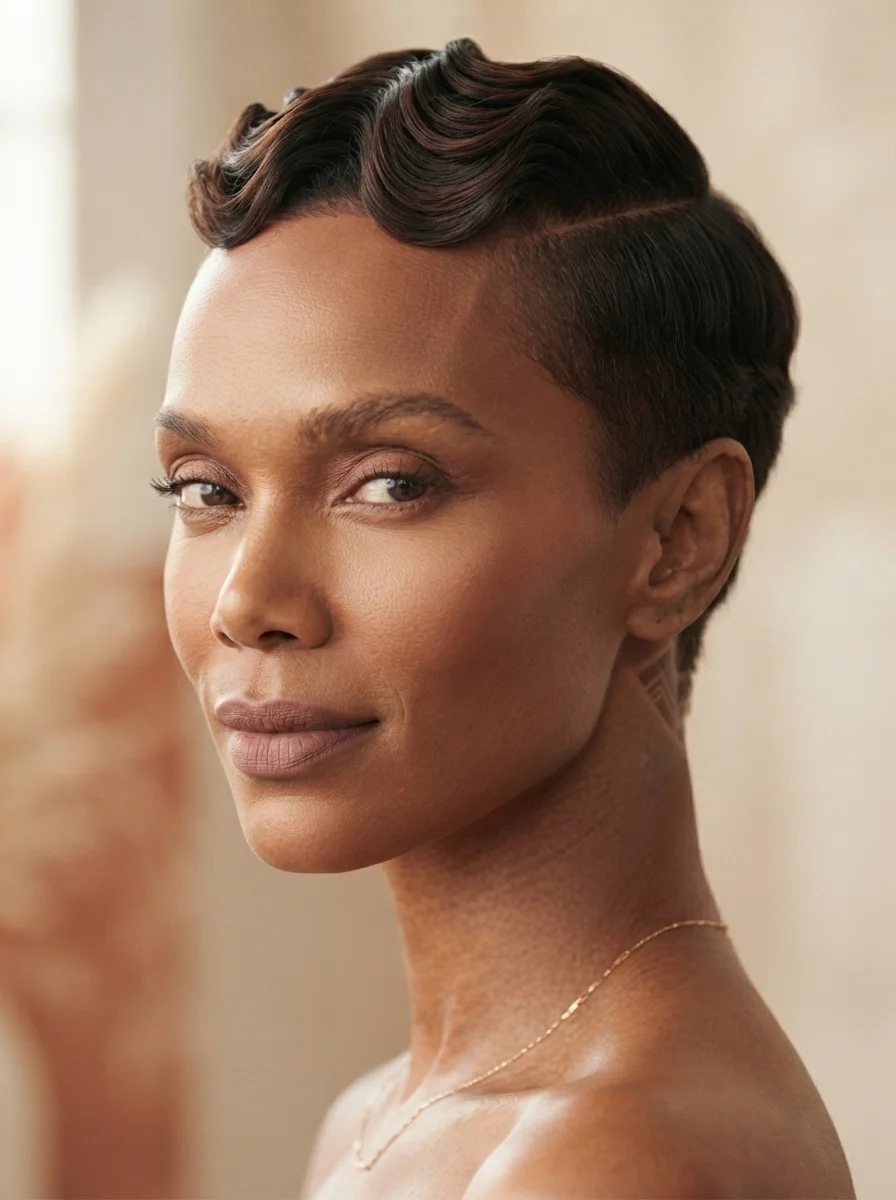
Skin-fade waves with a deep side part. A razor-clean fade meets a deep part and two or three top ridges. It works for strong facial features, letting the cut make a statement. Ask for the fade "bald at the line" for sharp contrast.
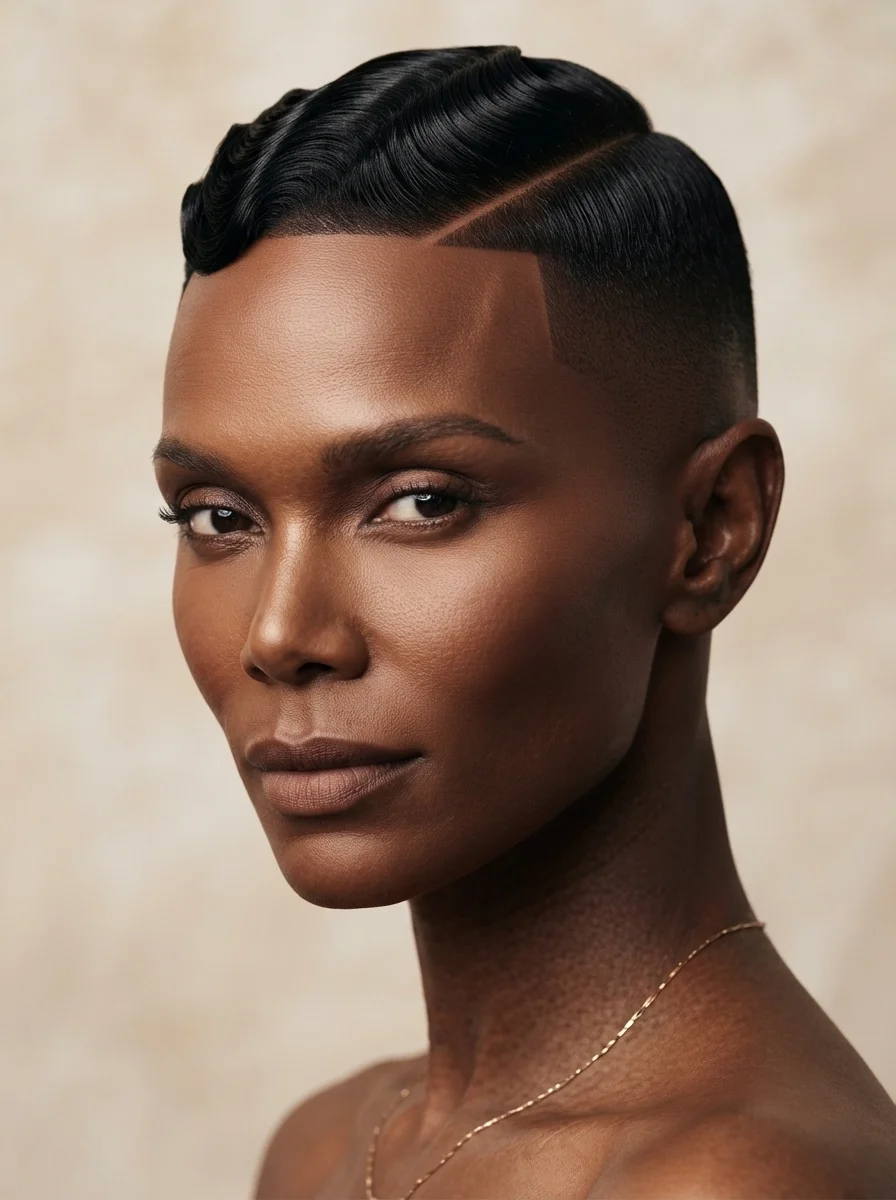
Everyday and Work-Safe Finger Waves
Low-key two-row waves for the office. Two subtle crown rows read as polished rather than dramatic. It works on nearly any short texture, since the pattern is minimal. A light-hold gel is enough here.
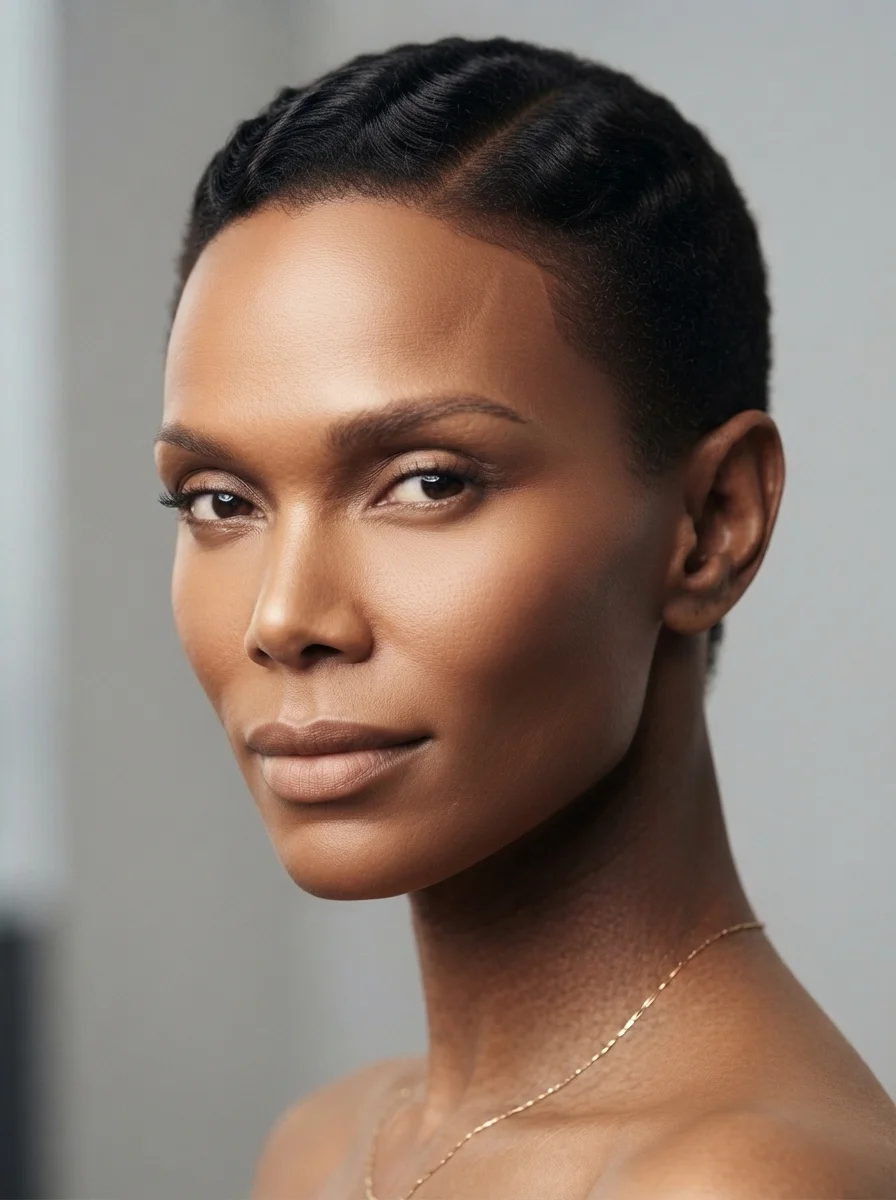
Soft-set waves with minimal shine. A matte gel keeps the pattern visible without looking overdone for a workday. It suits anyone whose office would find a glossy set too much. Plan a quick refresh by day two.
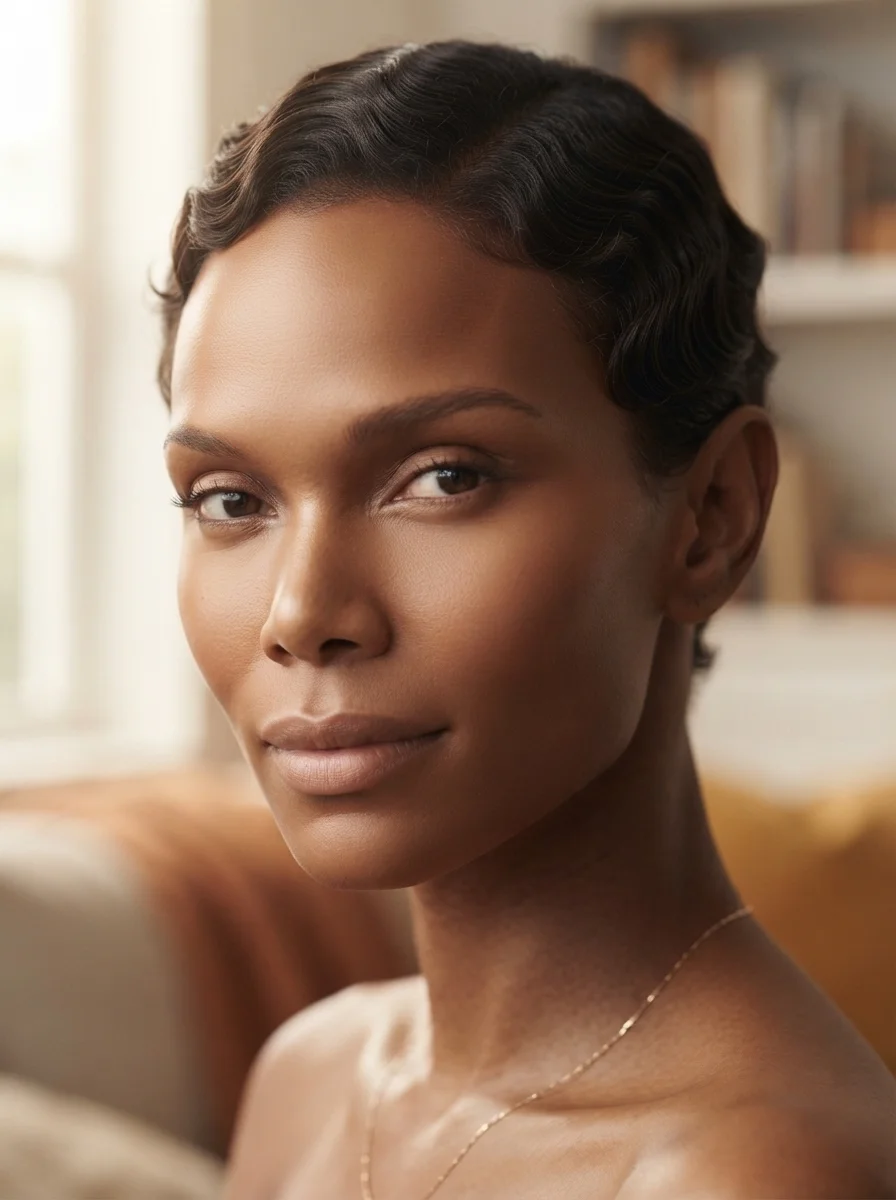
Protective-Style Finger Waves for Stretched Natural Hair
Stretched-hair waves over a twist-out base. Waves set over hair already stretched through a twist-out add definition without heat. It's a solid pick for protective styles that prioritize length retention. It's gentler on strands than a fully blown-out set.
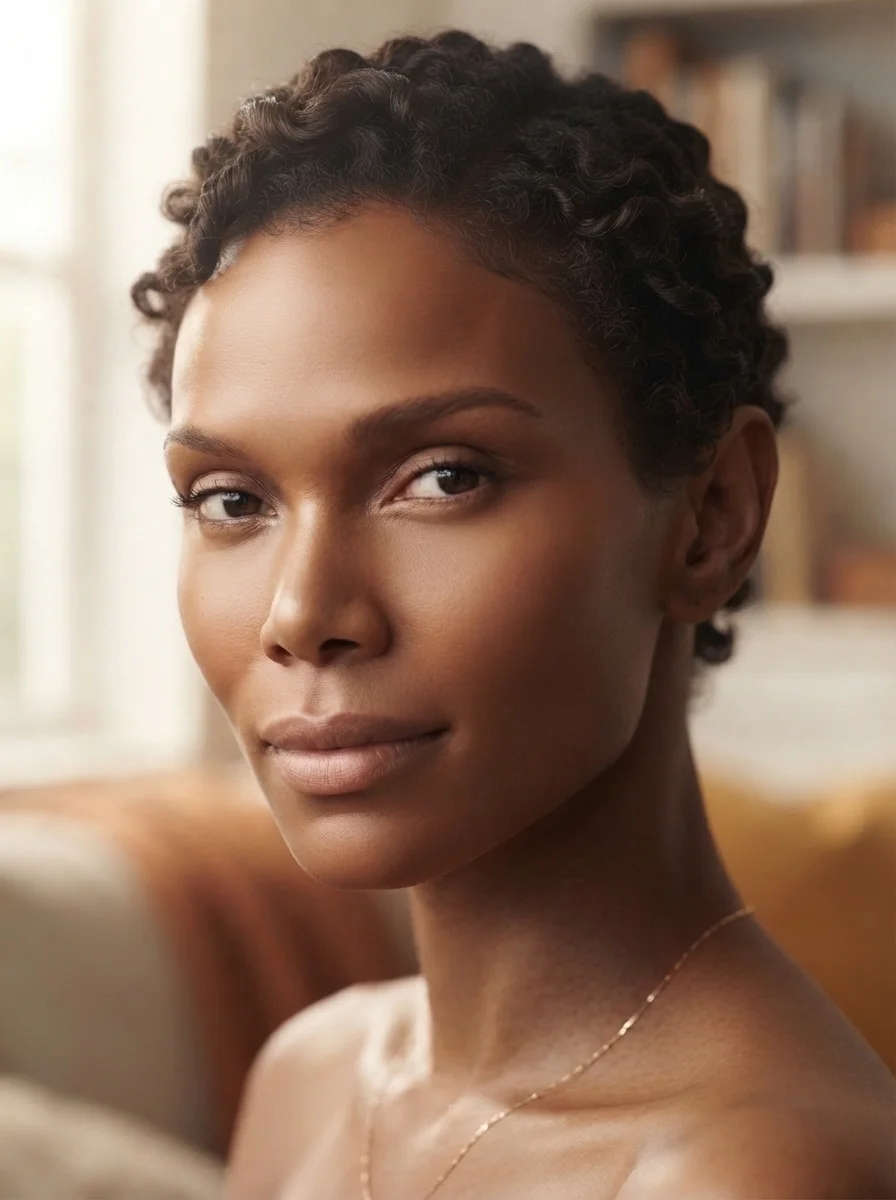
Braid-out base with wave-set edges. A braid-out pattern stays intact through the crown while only the front hairline gets a wave set. It suits photographing well without undoing the whole set. Expect a light touch-up every two or three days.
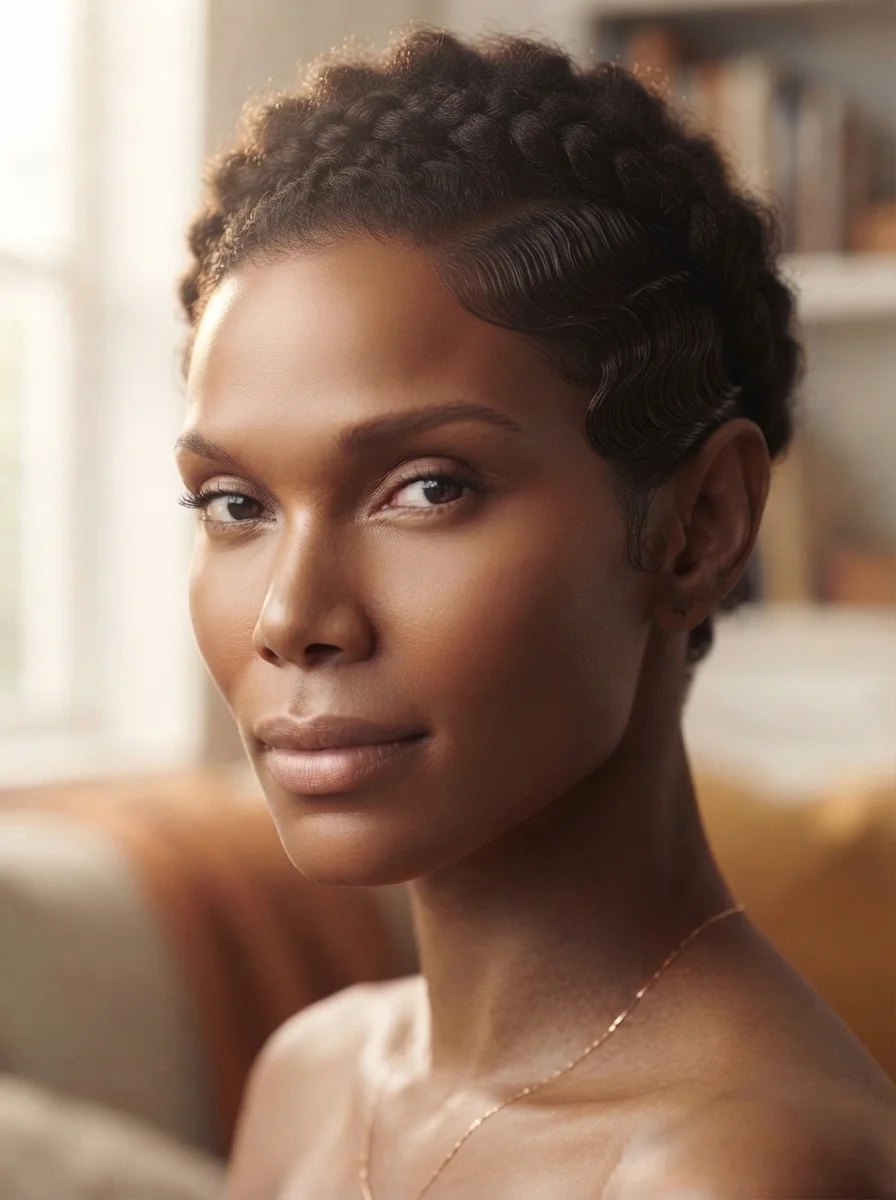
Date Night and Special Event Finger Waves
Glossy statement waves with a deep side part. A high-shine gel and bold ridges make a camera-ready date-night look. It suits anyone chasing maximum polish who can spare 45 minutes. A wet set under a professional dryer holds shine longer.
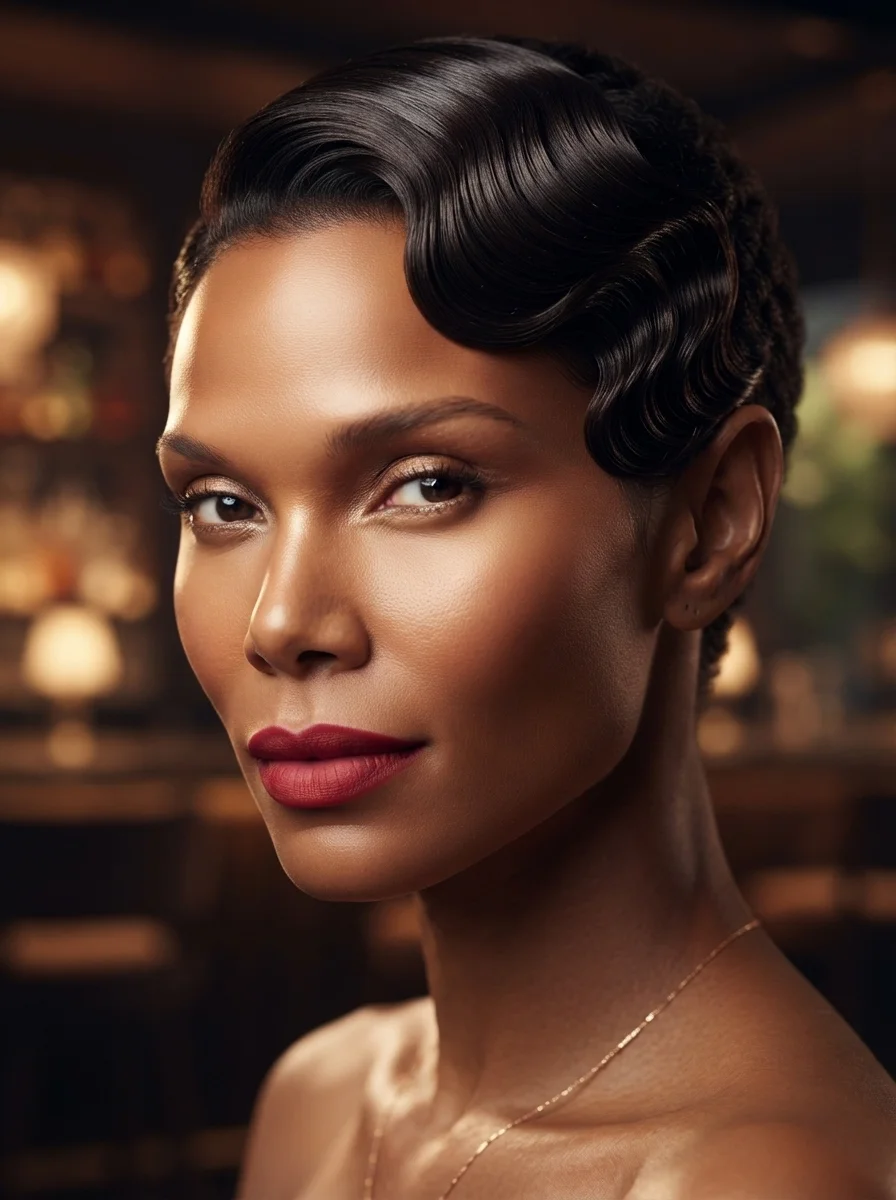
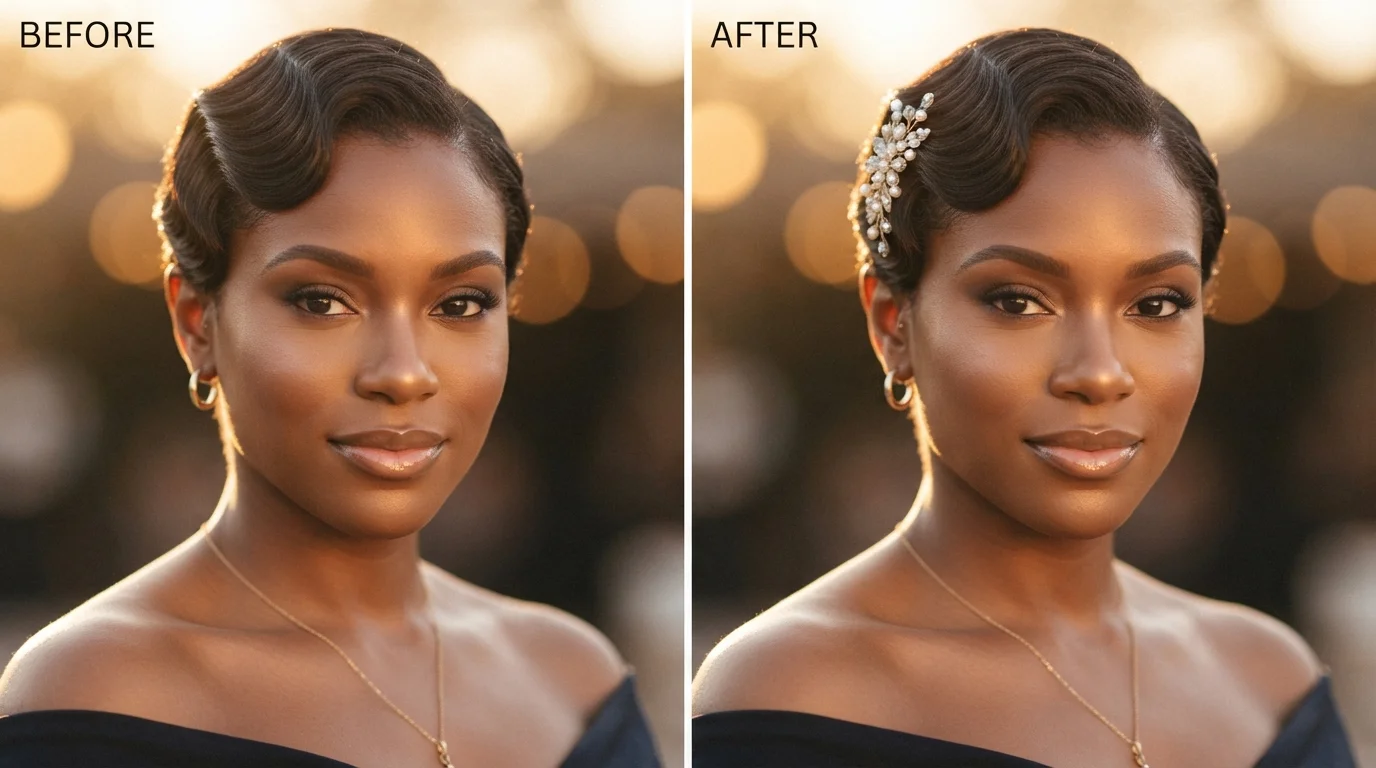
Waves finished with a jeweled hair pin. A single decorative pin at the temple turns a simple set into a special-occasion look. It suits prom, graduation, or a formal dinner. Keep the placement subtle and off-center.
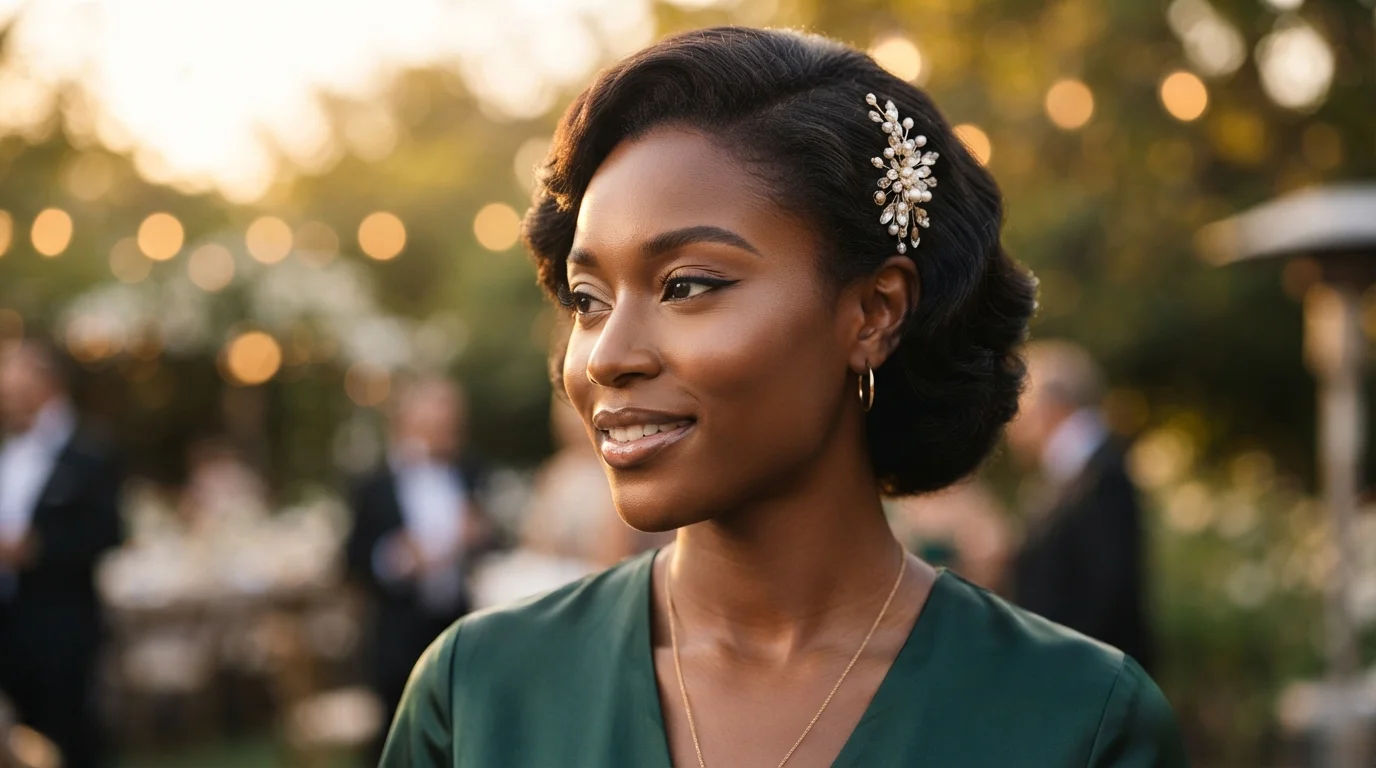
Retro glam waves paired with bold makeup. Three or more crisp ridges combine with a red lip for an old-Hollywood moment. It suits a themed event or a dramatic change of pace. Since this version is product-heavy, wash it out fully before resetting.
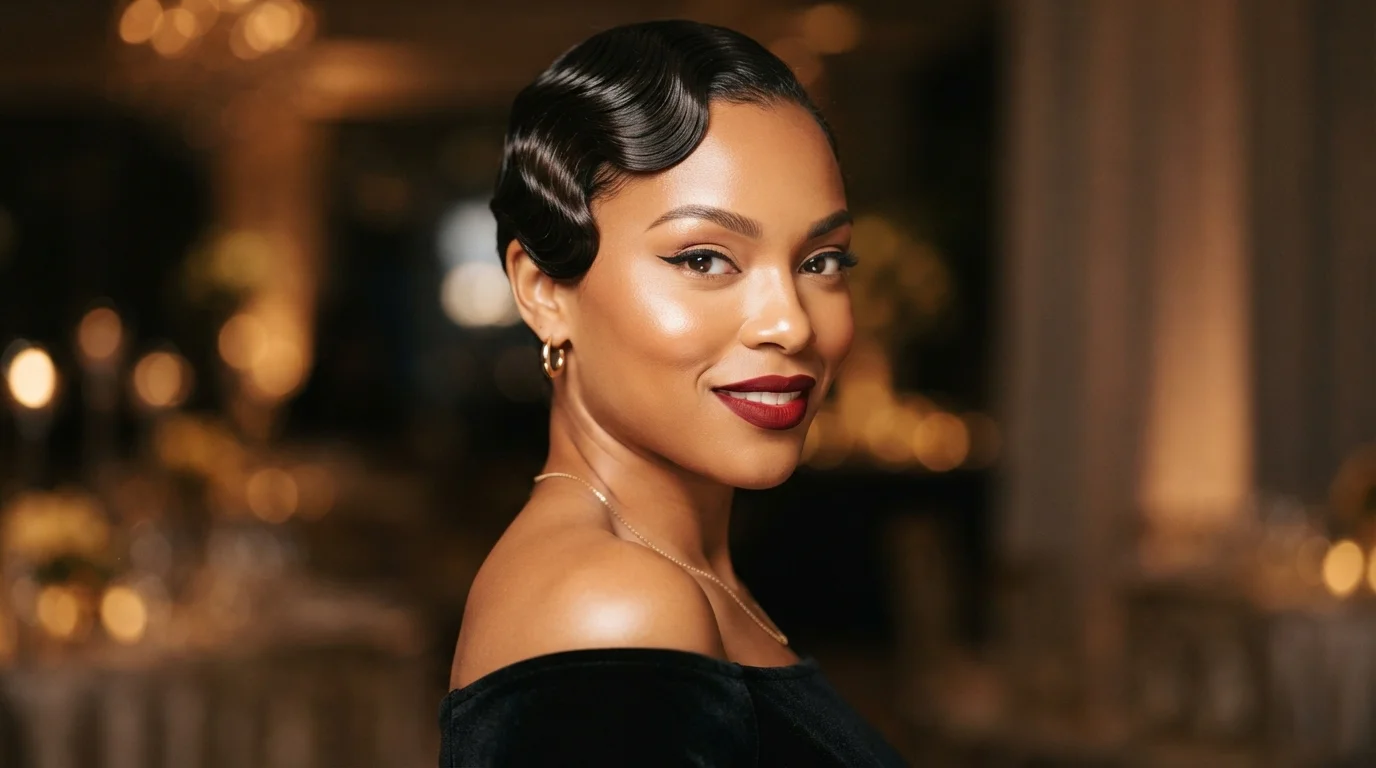
Bold and Statement Finger Waves
Color-blocked waves with a bleached front panel. A lightened front section deepens the contrast of the wave pattern. It suits anyone who already color-treats their hair. Bleached hair is more porous, so use a gentler gel.
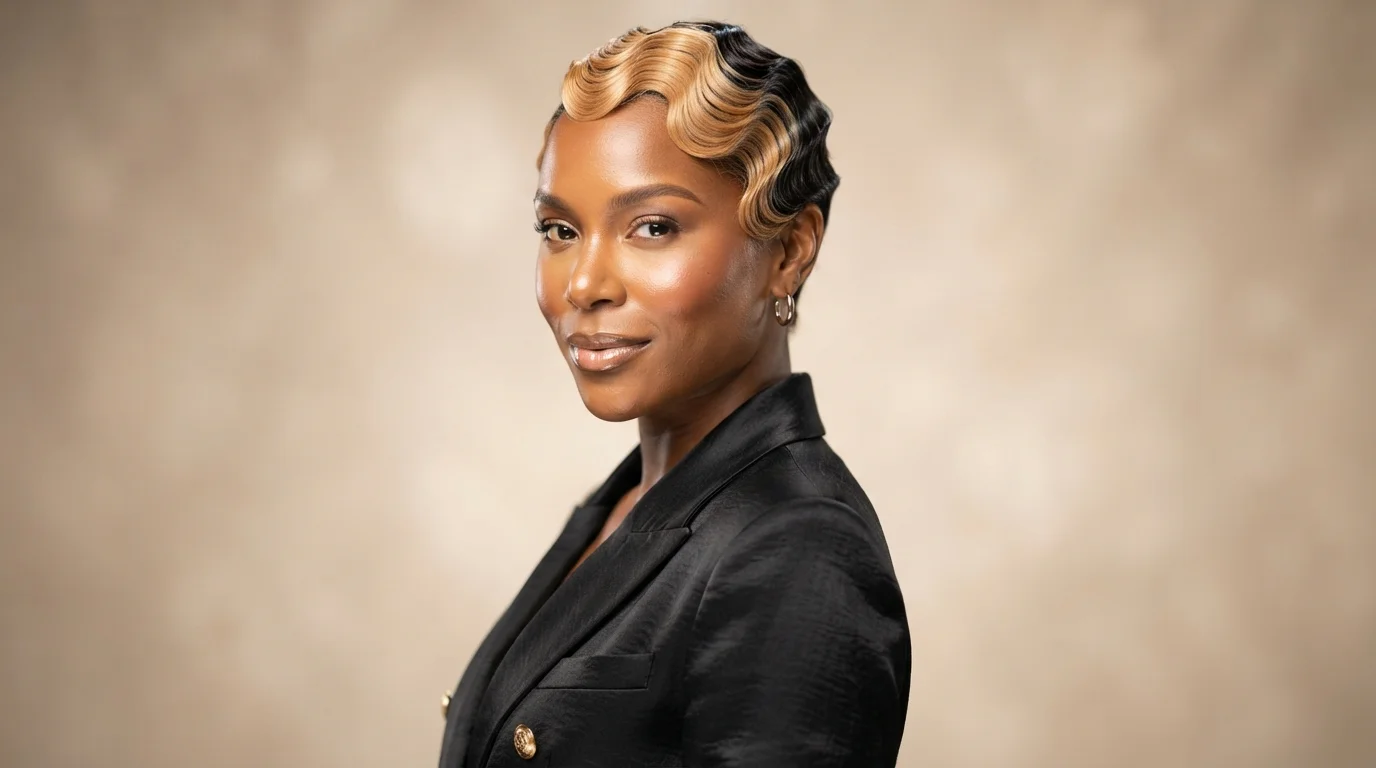
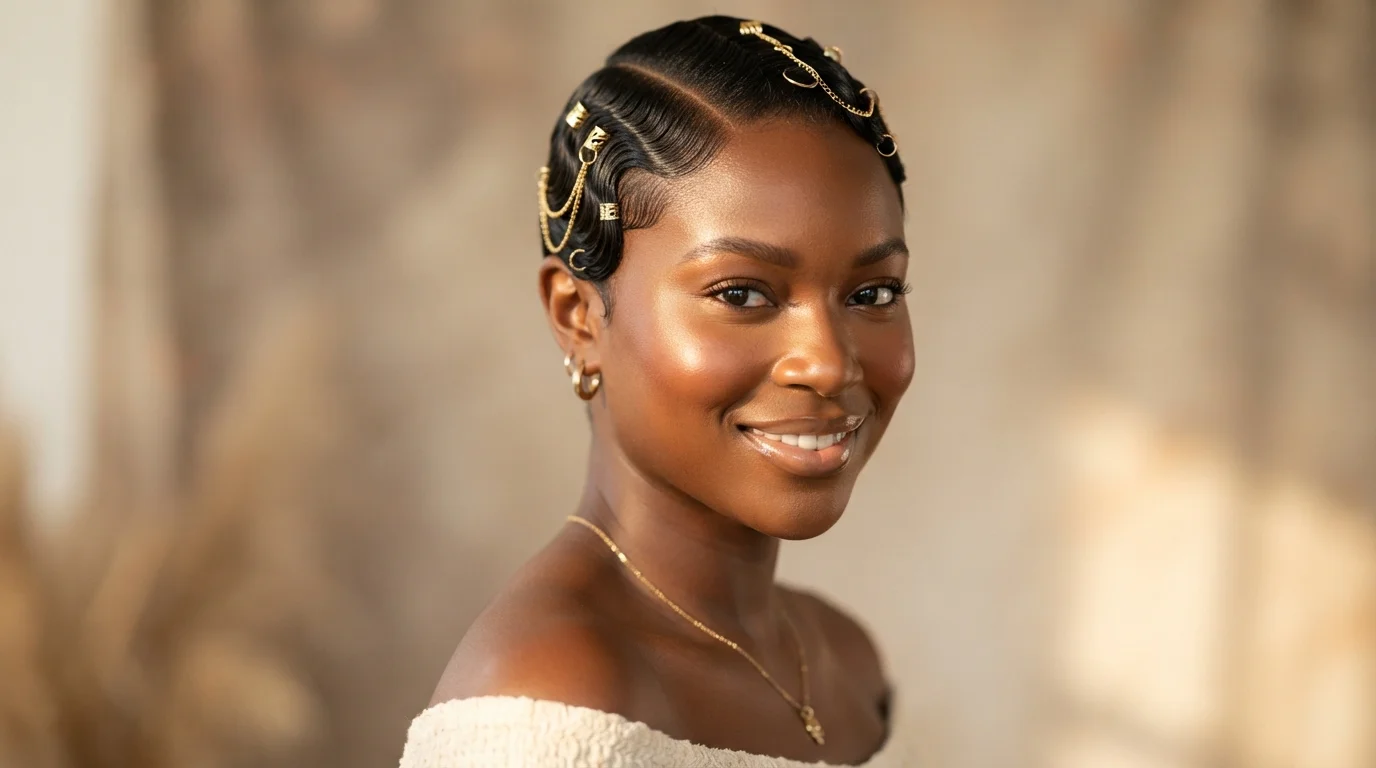
Deep-parted waves with gold hair jewelry. Small gold cuffs threaded along the pattern turn a classic set into something meant to be noticed. It suits treating your hairstyle as an accessory. Try it once you're confident setting a basic wave pattern.
How to Maintain Finger Waves on Short Hair
How to Maintain Finger Waves on Short Hair
Short patterns loosen faster than longer ones, since there's less weight holding the shape down. A real routine covers three moments: the night you set it, the morning after, and any high-sweat situation in between.
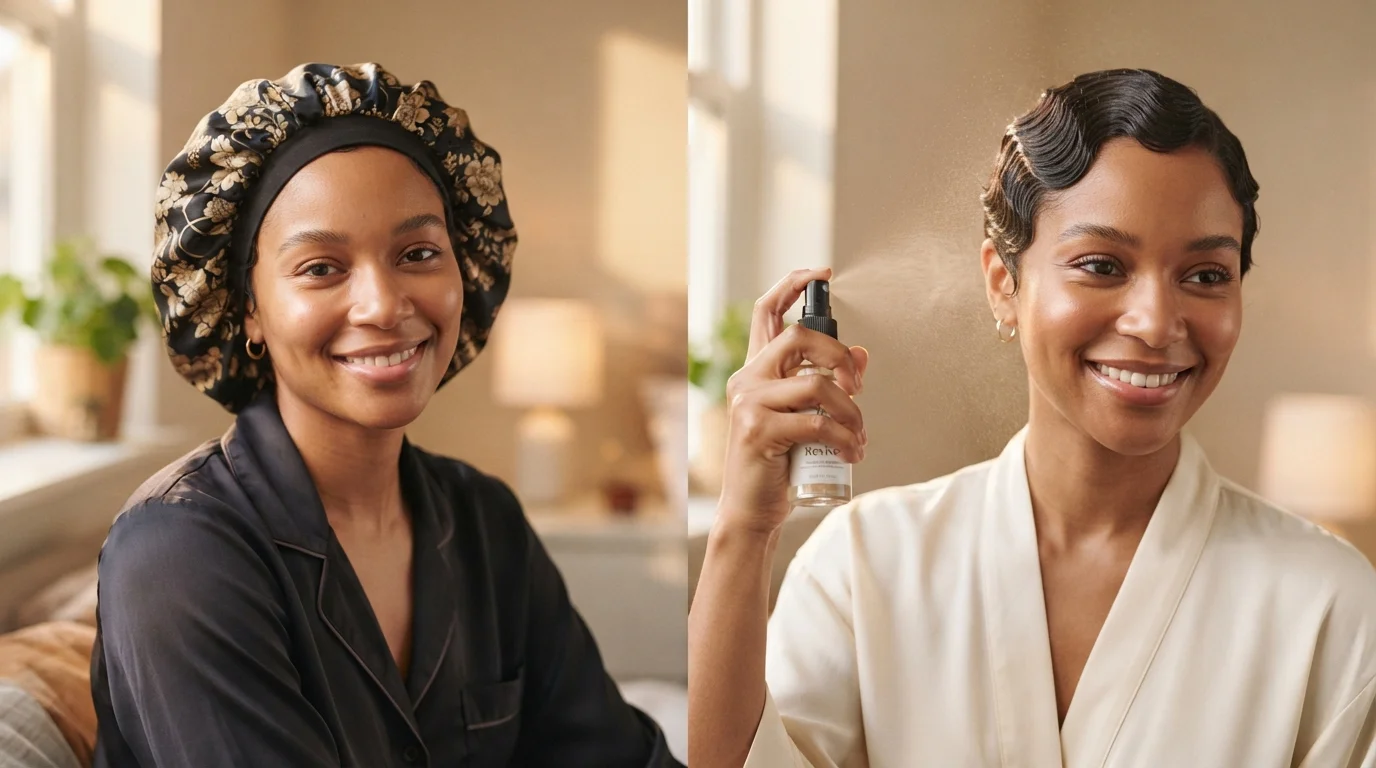
Night routine. Wrap your set with a silk or satin scarf before bed, since a cotton pillowcase pulls moisture and flattens the ridges. Avoid re-wetting the hair, even to smooth a stray piece, since water undoes the hold. If a section shifts overnight, leave it until morning.
Morning revive. Mist the pattern lightly with water and a little oil, then use your fingers, not a brush, to smooth flattened sections back into shape. Brushing breaks the S-pattern and forces a full reset. A boar-bristle brush with a little gel touches up frizz at the hairline.
Gym and humidity survival. Pre-treat your edges with a light anti-humidity product before a workout or humid day. Tie hair loosely with a soft band rather than pulling it back tightly, since tension distorts the pattern fastest. If you sweat near the hairline, blot gently instead of rubbing.
Wear time varies by texture: relaxed short hair often holds a crisp pattern four to six days, while natural 4A to 4C textures may need a refresh by day two or three. Neither timeline means you're doing something wrong; it's simply how textures respond.
Troubleshooting Common Finger Wave Problems
Troubleshooting Common Finger Wave Problems
Almost every finger wave problem traces to one of four causes. Knowing which one you're dealing with means you can fix the specific issue instead of redoing the entire set.
Melted or flattened waves. Too little product, or humidity before the hair dried, is the usual cause. Re-pinch the ridge with fresh gel and dry again under low heat to restore the shape. If a section melts repeatedly, use more gel there next time.
Frizzy edges around the hairline. Frizz typically comes from under-applying edge control or brushing against the wave's direction. Reapply gel in the same direction as the pattern, then smooth with a boar-bristle brush. Treat your edges as their own step.
Uneven or inconsistent S-pattern. Unevenness almost always comes from inconsistent sectioning, where some sections were combed wider than others. Keep every section small and about the same size. Fix just one ridge by re-wetting, recombing, and re-drying it alone.
Waves falling flat on coarser or 4C texture. Coarser textures sometimes resist holding a wave as long as looser ones do, a texture difference, not a technique failure. Try a stronger-hold gel, or extend dryer time by 10 to 15 minutes. Some 4C textures simply need more frequent refreshing.
What to Say to Your Stylist for Finger Waves on Short Hair
What to Say to Your Stylist for Finger Waves on Short Hair
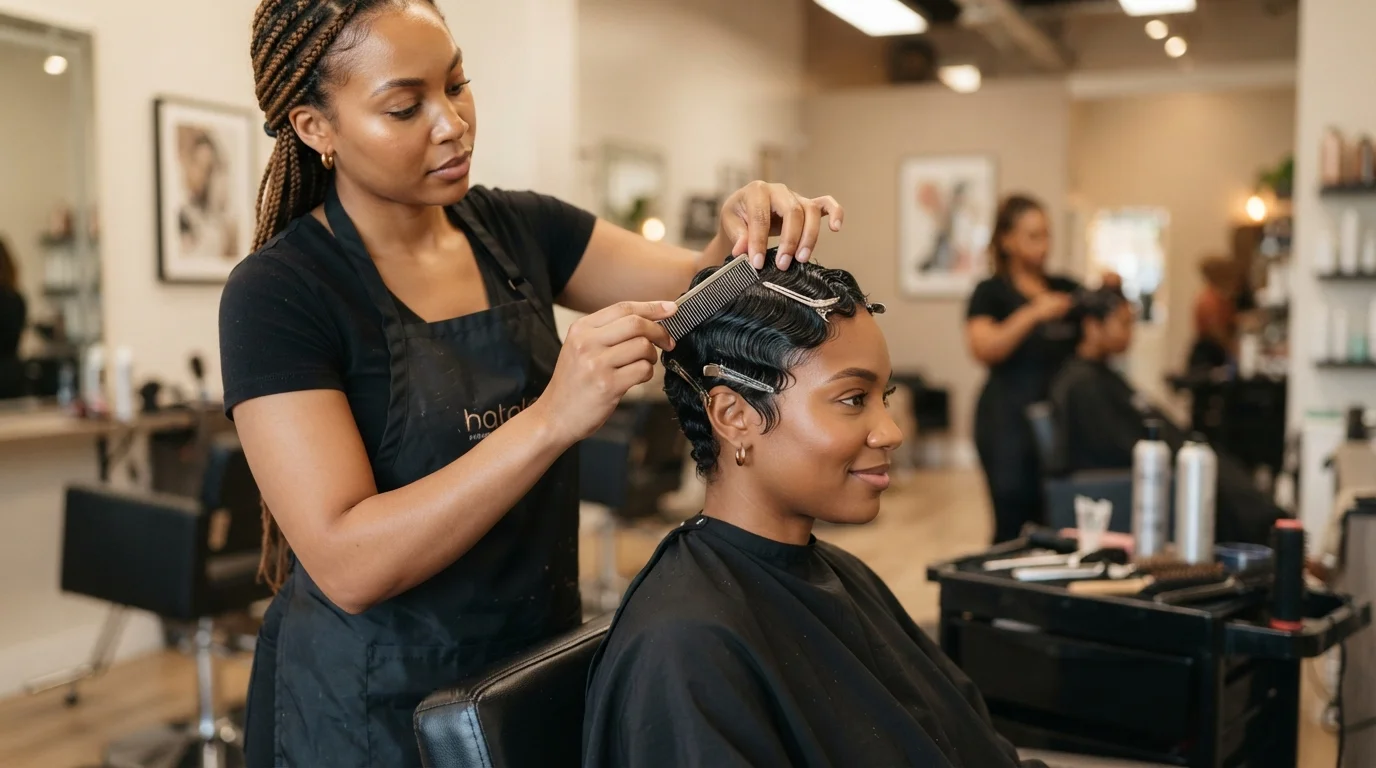
Be specific about the technique, your length, and how you want the style to pair with your current cut. A few phrases below give you language to repeat in the chair.
- "I would like a wet set, no rollers, since my hair is short and I want a flat, sculpted ridge rather than volume."
- "My hair is about [your length]. Can we do a fuller wave through the crown and pin curls at the nape to fill in the length?"
- "I have a taper or fade on the sides. Can we set two or three waves on top so the contrast stays sharp?"
DIY works well if you're comfortable with gel, a comb, and clips, and have time to practice. A salon visit suits first-timers or anyone wanting sharper, longer-lasting results, since a trained stylist works faster. DIY costs more time; a salon costs more money but usually delivers a cleaner result first try.
Frequently Asked Questions
Frequently Asked Questions
How long do finger waves last on short hair? Finger waves on short hair typically last two to six days, depending on texture and nightly wrap habits. Relaxed hair holds longest, often four to six days. Natural 4A to 4C textures may need a refresh by day two or three.
Do finger waves work on natural 4C hair? Yes, though the technique needs a firmer-hold gel and a longer dry time. Coilier textures revert faster from humidity, so expect to refresh sooner. Pairing waves with nape pin curls also helps reinforce the shorter sections.
Can you do finger waves without gel? You can use a strong-hold mousse or pomade instead, but the hold will be weaker and shorter-lived. Gel is the standard because its firmer hold keeps a flat S-pattern in place while drying. If avoiding gel, look for a firm-hold cream labeled for sculpting.
Are finger waves damaging to hair? No, finger waves are a low-heat or no-heat method relying on wet-setting rather than direct heat tools. Any dryness usually comes from product buildup or frequent hooded-dryer use, not the technique itself. Balancing set frequency with regular moisture keeps strands healthy.
What is the difference between finger waves and 360 waves? Finger waves are a temporary, gel-set technique shaping flat ridges that need resetting every few days. 360 waves are a longer-term texture built up over weeks through brushing and a durag on closely cropped hair. One is a style you reset; the other is a texture you train.
Finger wave hairstyles for Black women slide easily between a bold statement look and something office-safe. If you're working with 4A coils, a relaxed bob, a pixie, or tapered sides, one of the twenty styles above was built for your texture and your week. Bookmark this guide before your next wash day so the stylist wording and refresh routine are ready.

Your email address will not be published. Required fields are marked *