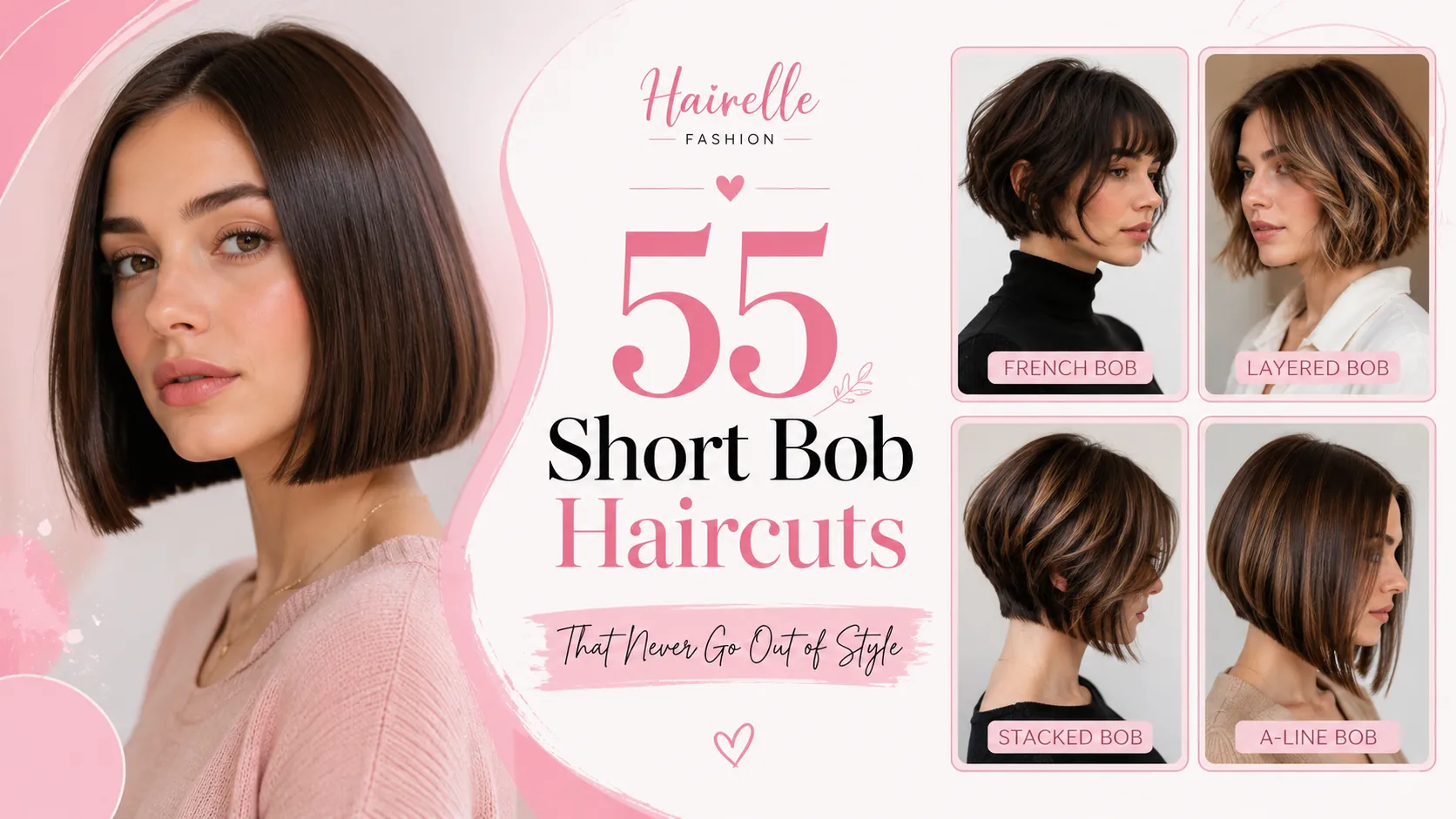
Most haircuts belong to a decade. The pixie belonged to the sixties. The shag owned the seventies. The Rachel defined the nineties. The bob belongs to every decade.
Since 1915, the bob has appeared in every fashion era, absorbed every trend, and kept showing up on the most stylish women in the room. It is not a trend. It is a permanent fixture of great hair, and the 55 short bob haircuts below prove exactly why.
If you are still weighing a bob against a slightly longer cut, our guide to chic short styles covers the full range from pixies to lobs to help you decide before you book.
Quick answer
Quick answer
A short bob haircut is a structured cut with a defined baseline, typically landing between the ear and chin. It never goes out of style because it adapts to every face shape, hair texture, and era. Whether you wear it sleek, textured, stacked, or with bangs, the bob gives you a clean, confident silhouette that holds its shape between visits and grows out gracefully.
Why the short bob never goes out of style
Why the short bob never goes out of style
A 100-year track record
The bob did not emerge from a runway. It started by accident around 1915 when Irene Castle, a celebrated American ballroom dancer, cut her hair short for practical reasons. She needed convenience. What she created was a cultural shift.
During World War I, women across the United States and Europe followed. The elaborate Edwardian hairstyles of their mothers, the coiled updos that took an hour to pin into place, suddenly felt like the wrong symbol for a generation entering the workforce, driving cars, and refusing to stay decorative. The bob was practical. It was also, immediately, a statement.
By the 1920s it had become synonymous with the flapper and with a new kind of female independence. Coco Chanel wore one. Anna Wintour has worn one for decades. The history of the bob is, in many ways, a history of women deciding they wanted something different and then cutting their hair to prove it.
What keeps that track record going is that the bob never stayed the same long enough to go stale. The 1960s gave it geometric precision through Vidal Sassoon. The 1990s softened it with highlights and shine. The 2020s loosened it up with texture and a lived-in finish.
The silhouette shifted, but the underlying structure never did: a clean perimeter, a defined baseline, a shape that frames the face.
What makes a cut truly timeless
Not every haircut can do what the bob does. The ones that age poorly tend to rely on a specific styling technique, a product trend, or a cultural moment that eventually passes. The bob relies on none of those things.
It stays relevant because it works differently for different people. Fine hair looks denser in a bob. Thick hair gets shape without the bulk. Curly hair finds definition. Straight hair finds the kind of polish that takes five minutes but looks deliberate.
Unlike most short cuts, it grows out with some grace. A bob that has grown an inch is a longer bob, not a problem.
Short bob cuts by length
Short bob cuts by length
Length is the first real decision, and it shapes everything that comes after.
Ear-length bob
The ear-length bob is the boldest of the four. The baseline sits at or just below the ear, showing off the neckline and jawline completely. It looks confident on almost everyone, but works especially well on oval and heart-shaped faces where there is natural balance above and below the cheekbones.
This length also needs the most attention. To keep the shape looking deliberate rather than grown-out, plan a trim every four to six weeks.
Jaw-length bob
The jaw-length bob is the most universally flattering length on this list. The baseline sits right at the jaw, which draws the eye to the jawline without cutting off the neck entirely. It softens round faces, balances square faces, and suits nearly every hair type.
This is the length most women picture when they decide they want a bob, and most stylists recommend it as the starting point for first-time bob wearers.
Chin-length bob
The chin-length bob sits just below the jaw and above the collarbone. It is the original classic, the length most associated with the bob’s century-long history, and the easiest to maintain because a few weeks of growth does not immediately change the shape.
At this length, you have real flexibility. You can wear it sleek and brushed under, or let it air-dry with natural movement. It also works with the widest range of bang styles.
Neck-length bob
The neck-length bob grazes the nape of the neck. It sits between a true bob and a lob and is a good choice for women who want the feel of a short style without committing to anything above the chin.
This is also the easiest bob to grow out. The awkward phase between neck-length and shoulder-length is minimal when the layers are cut well from the start.
The classic short bob styles
The classic short bob styles
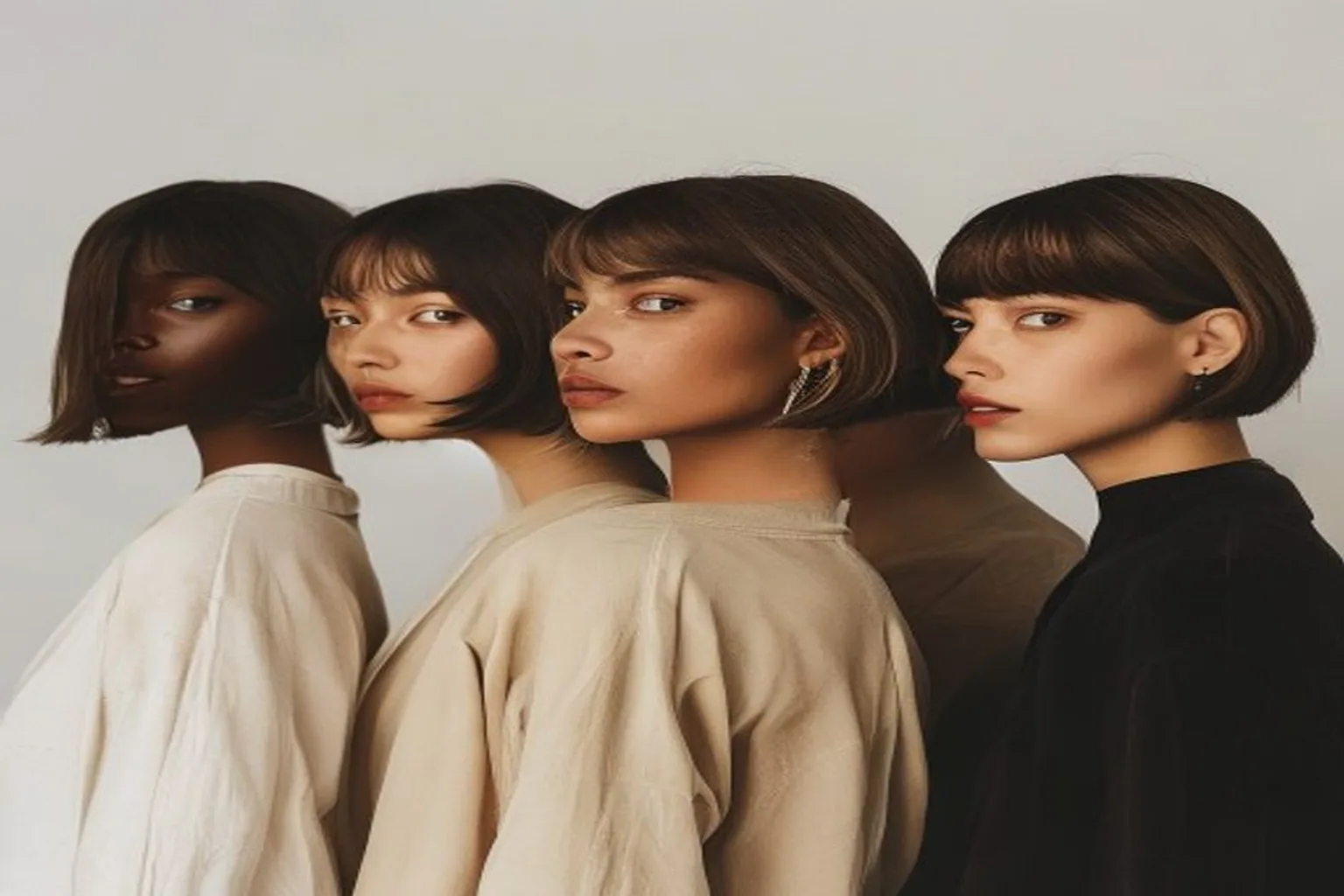
These are the styles that have proven themselves across decades. Each one has a distinct shape and serves a different need.
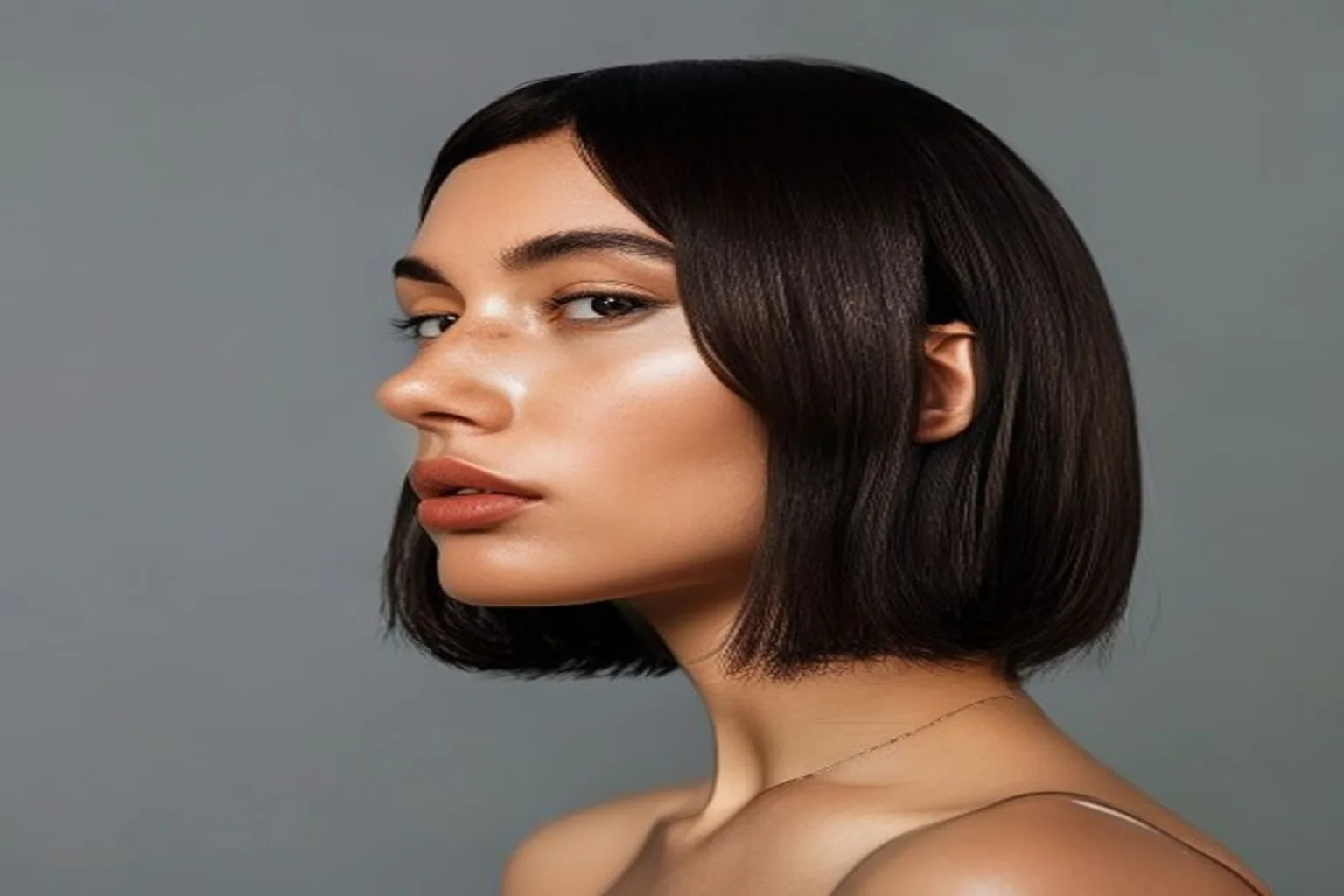
Blunt bob (styles 1 to 4)
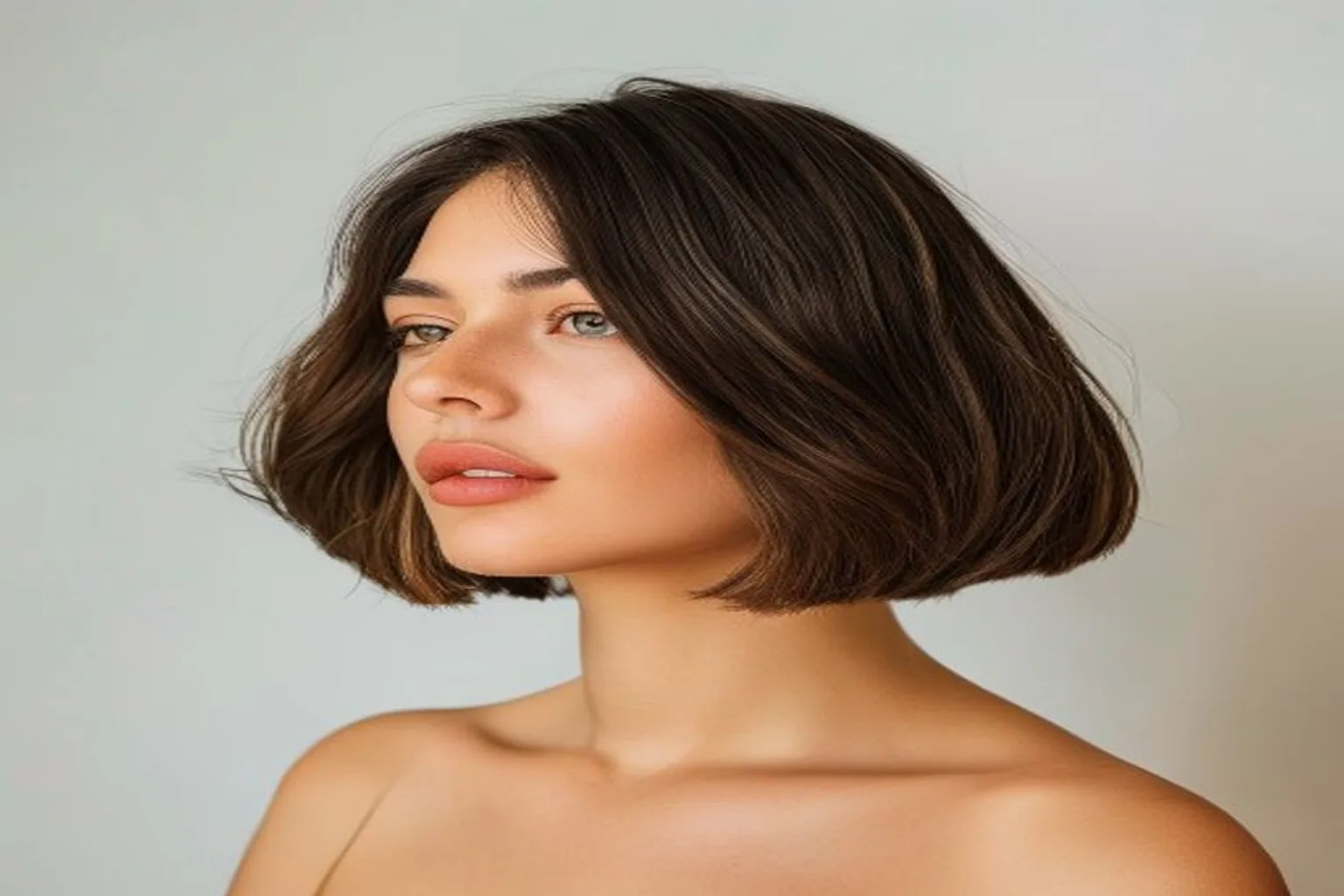
The blunt bob has no layers and no graduation. Every strand is cut to the same length along a clean perimeter, creating a solid, graphic baseline. It photographs beautifully, suits fine to medium hair best, and communicates a specific kind of intentional confidence.
Chin-length blunt bob. The most photographed bob in history. Clean ends, no internal texture, maximum shine. The starting point for understanding every other bob variation.
Jaw-length blunt bob. One fingertip shorter than the chin-length version. This cut sits right on the jaw and creates a strong, confident frame for the lower face.
Ear-length blunt bob. Bold and graphic. The baseline sits at earlobe level, showing off the full neckline and requiring precision cutting to look intentional rather than grown-out.
Blunt bob with deep side part. The same one-length perimeter with a deep side part that shifts all the hair to one side. Elegant and asymmetrical without any structural asymmetry in the cut itself.
Layered bob (styles 5 to 8)
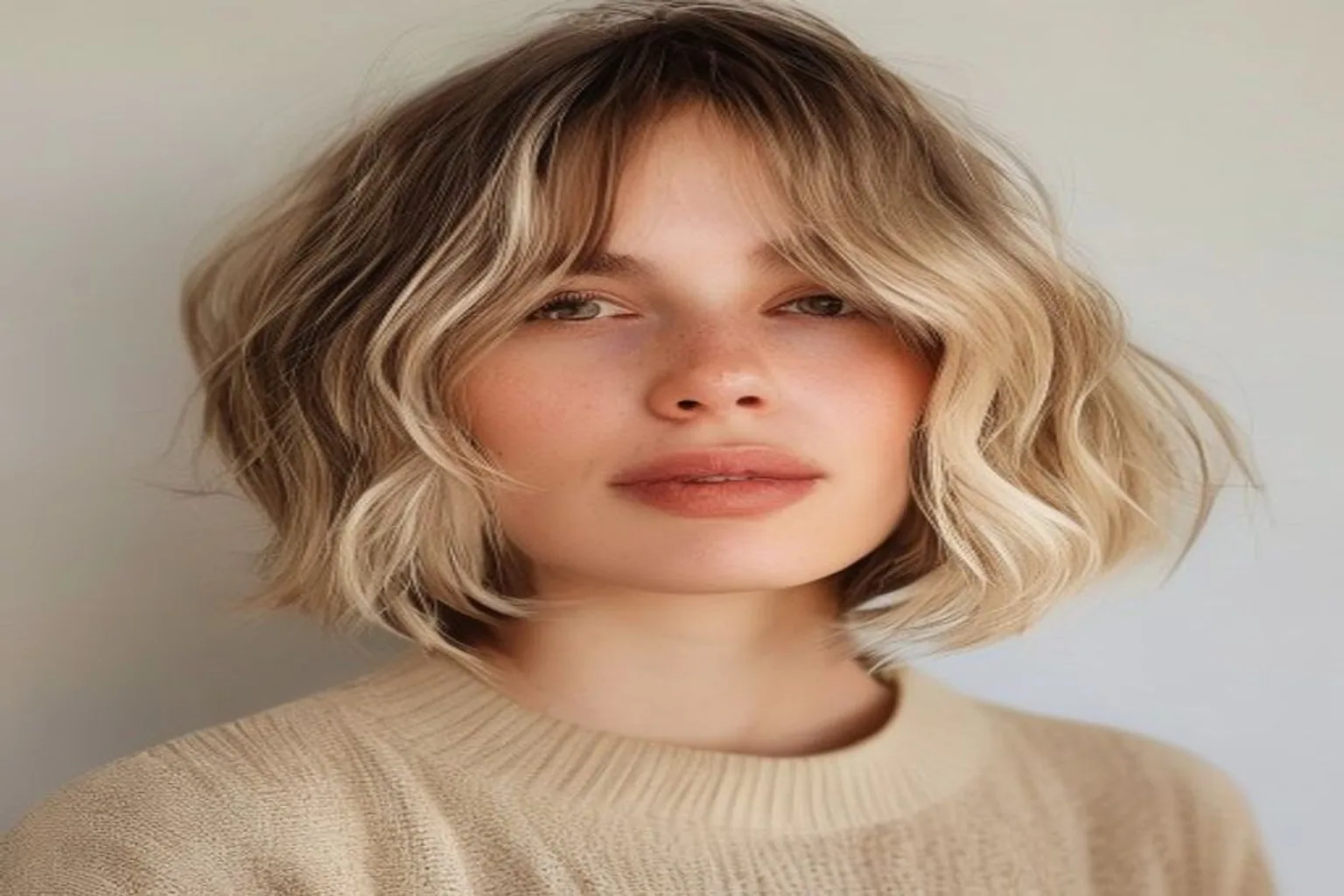
A layered bob keeps the outer perimeter intact and adds interior layers that remove weight and create movement. The shape is softer than a blunt bob but still has structure at the baseline. It suits a broader range of hair types and requires less daily styling effort.
Soft layered chin-length bob. Interior layers give the ends a light, airy bounce without disturbing the clean outer line. Works well on medium to thick hair.
Feathered layered bob. Layers cut with a razor or point-cut technique create feathered ends that separate naturally. Best on straight or slightly wavy hair that needs movement without extra volume.
Bob with face-framing layers. The interior layers are concentrated at the front sections to frame the cheekbones and soften the area around the face, while the back stays fuller for balance.
Layered bob with side-swept ends. The layers are cut to encourage the ends to curve inward or sweep to the side, creating a soft shape that holds well without heat styling.
Stacked bob (styles 9 to 12)
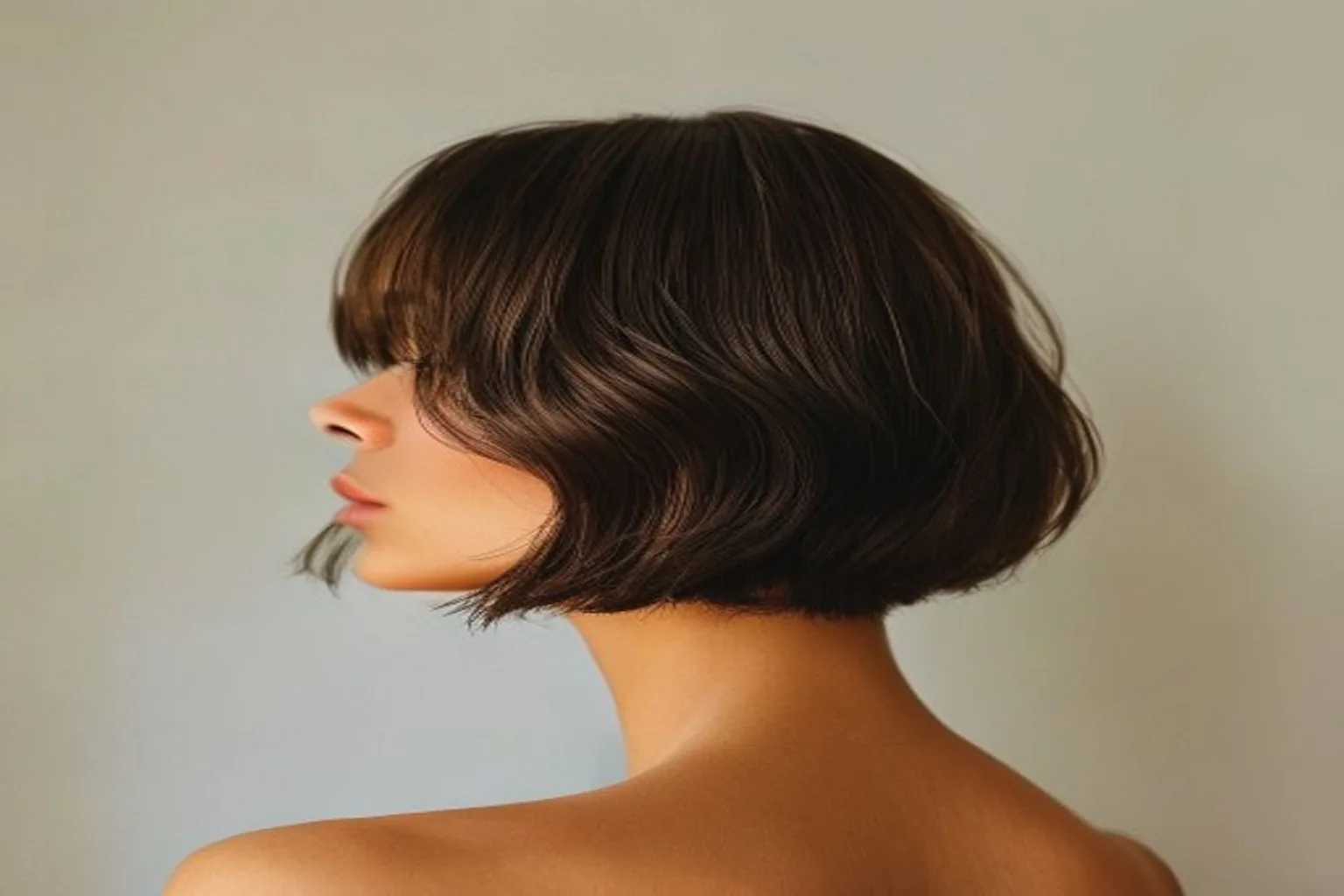
A stacked bob, also called an inverted bob, is cut shorter at the nape and gradually longer toward the front. The graduation at the back creates a rounded, stacked shape that gives natural volume without product. It is one of the best options for fine hair that needs body at the crown.
Classic stacked bob. Shorter at the nape, longer at the chin. Creates a rounded silhouette from behind and a clean angled line from the side.
High-stacked inverted bob. The graduation begins higher at the crown, creating more dramatic volume through the back. The front sections reach the chin or below.
Rounded stacked bob. The back is cut with a curved rather than angular graduation, producing a soft, rounded shape at the nape. Particularly flattering on square and oblong faces.
Tapered stacked bob. The nape is cut very close to the head, almost like a pixie at the back, with the graduation becoming visible higher up. Bold and structured.
A-line bob (styles 13 to 15)
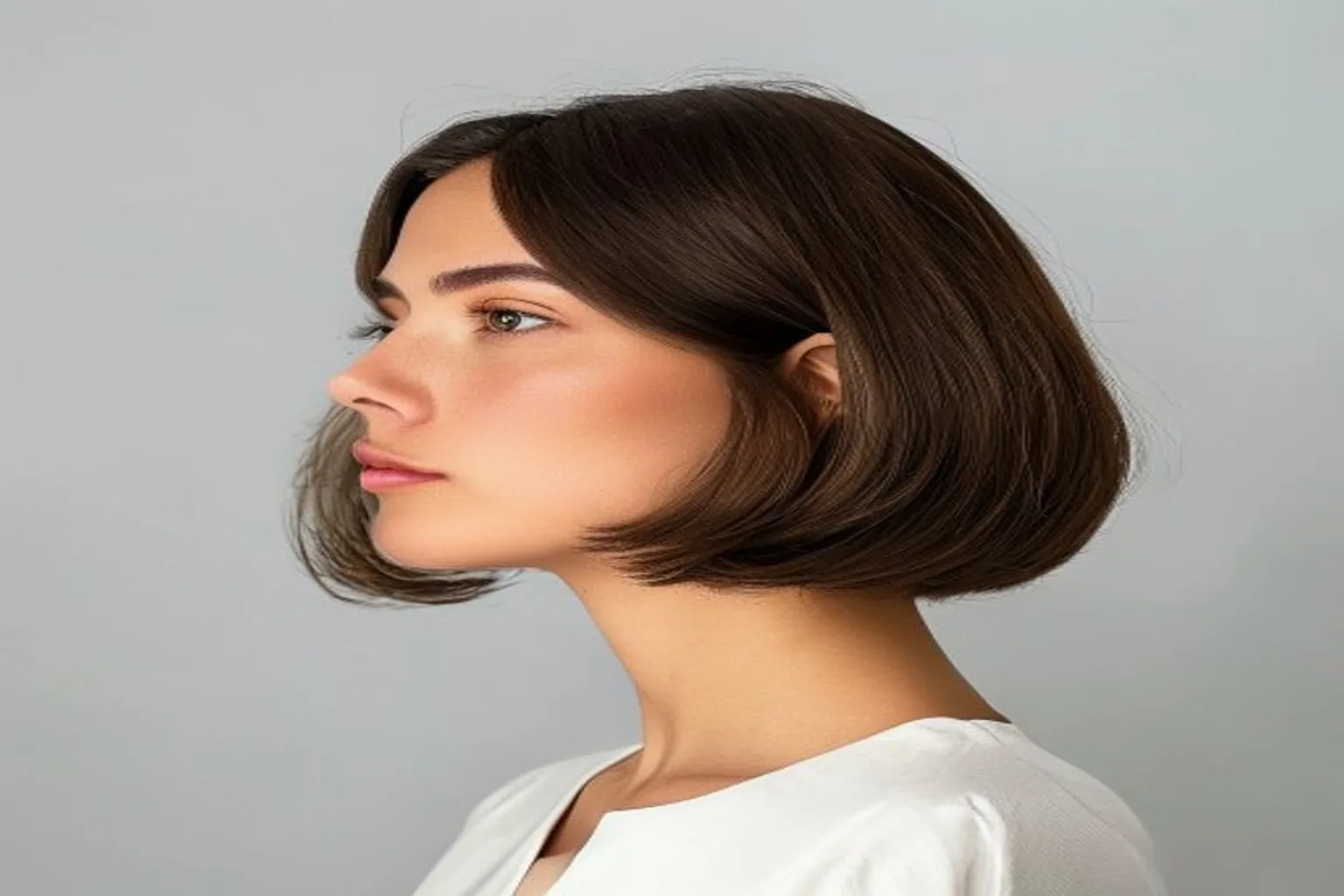
An A-line bob is longer in the front and shorter in the back. The angled line from front to back creates an elongating effect and adds face-framing length where most women want it.
Classic A-line bob. The front sections sit at the chin while the back is cut two to three inches shorter. The angle is gradual and subtle, a style choice rather than an extreme cut.
Steep angled bob. The front-to-back difference is more dramatic, with the front reaching the collarbone and the back sitting at the nape. A strong, graphic look.
Rounded A-line bob. The angled line is combined with a slight curve at the back, softening the overall shape. Works well on round faces because the angle adds the illusion of length.
French bob (styles 16 to 18)
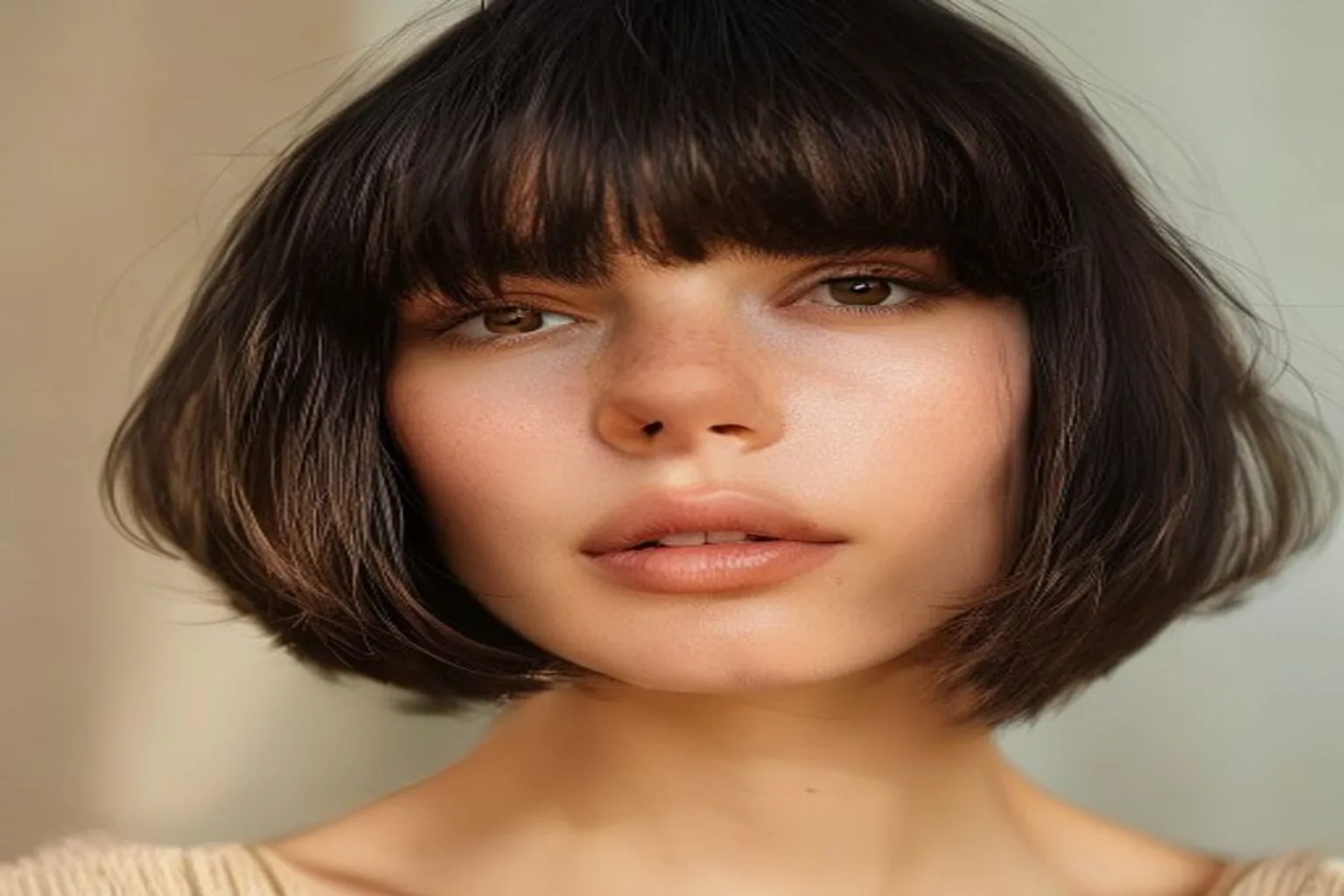
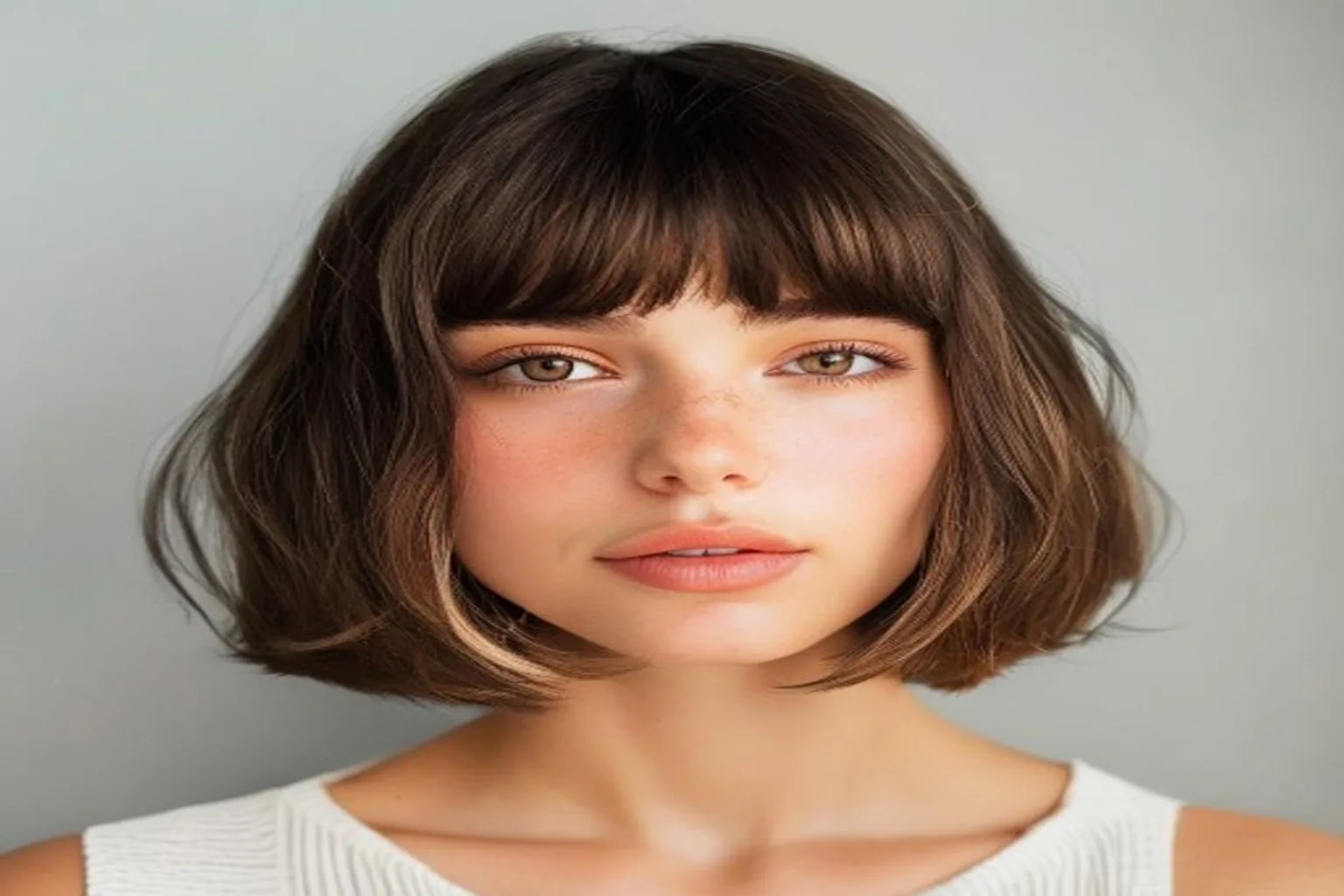
The French bob sits at or just above the chin, often paired with a fringe, and has a slightly undone quality that comes from how the ends are finished rather than how precisely they are cut. Refinery29 calls it “classic, timeless, and iconic,” and that description holds. It has looked right on European women for decades without any significant structural change.
Classic French bob with fringe. Chin-length all around with a blunt or softly textured fringe across the forehead. The defining version of this style.
French bob without bangs. The same length and soft finish, worn without a fringe. A center or soft side part completes the look and skips the regular fringe trimming.
French bob with curtain fringe. The fringe is parted in the center and swept to both sides, framing the forehead softly. A slightly more romantic take on the classic French structure.

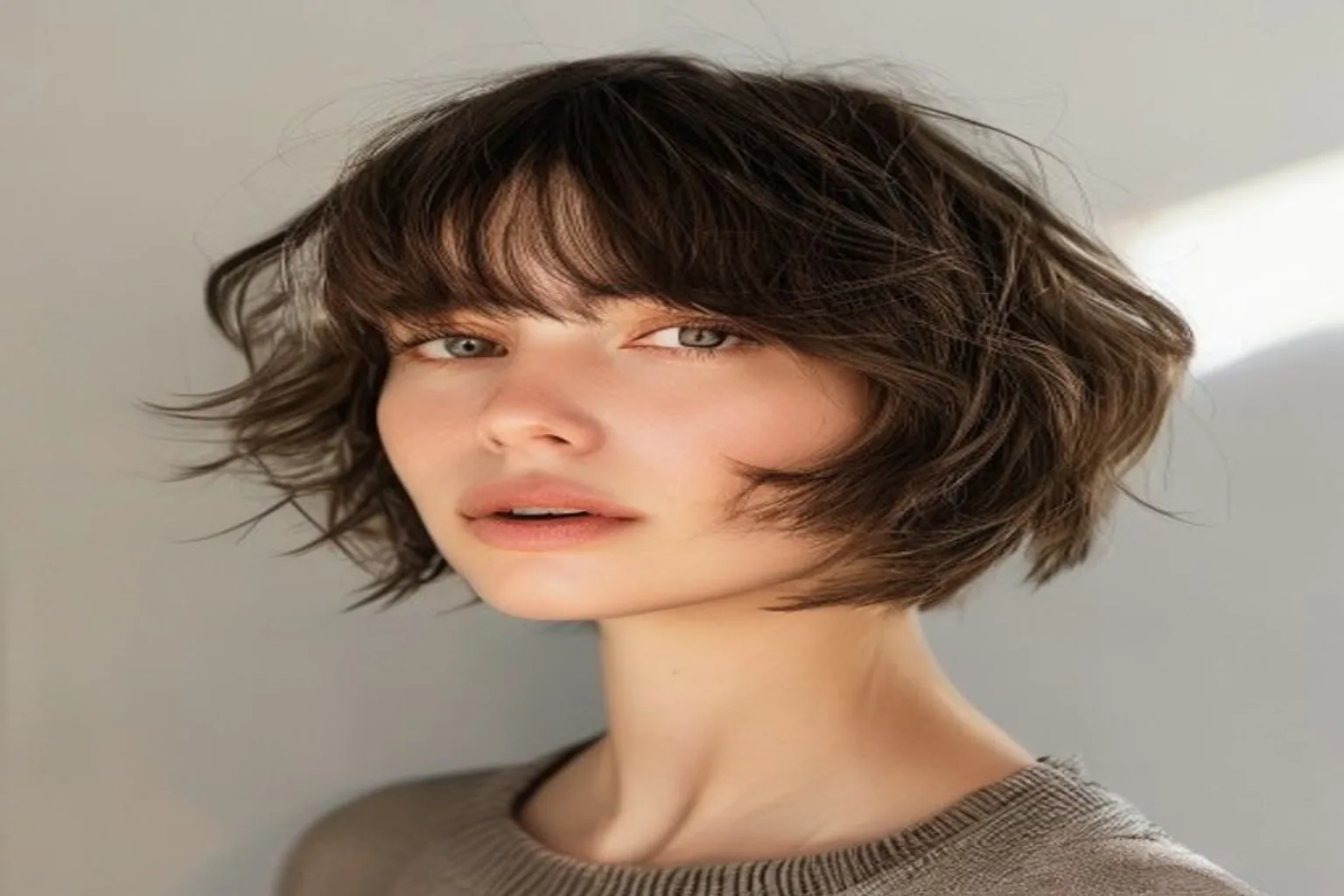
Choppy bob (styles 19 to 22)
Want something more dramatic? Our roundup of edgy short cuts pushes the choppy texture even further.
A choppy bob uses point-cutting, razor techniques, or texturizing shears to create piece-y, separated ends. The result is a lived-in, low-maintenance look that works especially well on thicker or wavy hair.
Classic choppy textured bob. Chin-length with visible texture at the ends. No single clean perimeter line; the ends separate naturally and air-dry well.
Piece-y bob. Similar to the choppy bob but with more deliberate separation between pieces. Looks intentionally undone and holds its shape best when air-dried.
Lived-in choppy bob. Longer choppy layers that fall between the chin and collarbone. The texture feels casual and the maintenance is minimal.
Shaggy bob. A choppy bob with additional layers throughout the interior, giving it a fuller shape. Works especially well on fine hair that needs body without a stacked cut.
Asymmetrical bob (styles 23 to 25)
An asymmetrical bob is cut intentionally longer on one side than the other. The difference can be subtle, one to two inches, or dramatic, several inches. Either way, it always looks modern without feeling trendy.
Classic asymmetrical bob. One side at the jaw, the other side slightly shorter. A clean, graphic look that suits most face shapes.
Subtle asymmetrical bob. The length difference is minimal, creating a gentle tilt rather than a dramatic angle. Easy to style and flattering on a wide range of face shapes including round and oval.
Steep angled asymmetrical bob. One side reaches the chin while the other sits above the ear. A bold choice that works especially well on oval and oblong face shapes where the asymmetry adds width.
Bob with bangs (styles 26 to 30)
Adding bangs to a bob shifts focus to the eyes, shortens the appearance of a long forehead, and adds personality to an otherwise clean shape. These five bang variations pair well with a short bob.
Bob with curtain bangs. Center-parted fringe that sweeps to both sides of the forehead, skimming the brow or cheekbones. Works on almost every face shape and is the most-requested bang style with a bob right now.
Bob with wispy bangs. A thin, airy fringe that sits across the forehead without creating a solid wall of hair. Light and easy to maintain between trims.
Bob with blunt fringe. A solid, straight-across fringe that cuts the forehead horizontally. Bold, graphic, and very French. Best on oval and heart-shaped faces.
Bob with side-swept bangs. The fringe grows from a side part and sweeps across the forehead to the opposite side. Softens square and round faces by breaking symmetry.
Bob with baby bangs. Very short fringe that sits at the mid-forehead or higher. The most striking bang option, one that looks confident and takes some nerve to ask for.
Bob style comparison guide
Bob style comparison guide
| Bob style | Best hair type | Daily effort | Best face shapes | Key benefit |
|---|---|---|---|---|
| Blunt bob | Fine to medium, straight | Low | All, especially oval | Maximum shine and structure |
| Layered bob | Medium to thick, wavy | Low | All face shapes | Movement without losing shape |
| Stacked bob | Fine to medium | Medium | Round, long | Built-in volume at the crown |
| A-line bob | Any | Low | Round, square | Creates length illusion |
| French bob | Any | Very low | Oval, heart | Effortless, no-tool finish |
| Choppy bob | Thick, wavy, coarse | Very low | Square, oval | Air-dries perfectly |
| Asymmetrical bob | Any | Low to medium | Oval, oblong | Modern without being trendy |
| Bob with bangs | Any | Low | Varies by bang type | Frames the eyes, shortens forehead |
Short bob cuts by hair type
Short bob cuts by hair type
Your texture should drive the decision, not the other way around.
Short bob for fine or thin hair (styles 31 to 33)
Fine hair looks better in a short bob than in almost any other cut. Shorter lengths concentrate all the visible hair at the perimeter, which makes the baseline appear denser. The key rule: avoid too many layers, which spread the hair out and make fine strands look thinner.
Blunt bob for fine hair. A one-length cut at chin or jaw length keeps all the weight at the baseline. The graphic perimeter creates the illusion of density where fine hair needs it most.
Stacked bob for fine hair. The graduation at the back lifts the roots and creates volume through the crown without any product. One of the best structural solutions for very fine hair.
Side-parted bob for fine hair. A blunt or lightly layered bob with a deep side part that creates natural lift at the root on the heavier side. No heat required to get volume.
Short bob for thick hair (styles 34 to 36)
Want more options built specifically for volume? Our guide to haircuts for thick hair covers 15 more styles.
Thick hair needs weight removed, either through interior layers or a smarter length choice. A blunt all-one-length bob on thick hair can push out into a triangular shape, so the goal is to move that bulk around rather than fight it.
Layered bob for thick hair. Interior layers remove bulk without disturbing the perimeter. The result is a bob that sits flat and moves well throughout the day.
A-line bob for thick hair. The angled cut narrows the back while keeping length in the front, preventing the wide silhouette that thick hair can create when cut bluntly all the way around.
Choppy bob for thick hair. Point-cutting and texturizing through the ends reduces weight while adding character. Works especially well on coarse or naturally textured thick hair.
Short bob for straight hair (styles 37 to 38)
Straight hair shows every cut line exactly as the scissors left it, which is why the most graphic bob styles look best on straight hair. There is no texture to interrupt the shape.
Sleek blunt bob for straight hair. The clean perimeter of a blunt bob is at its most polished on straight, fine to medium hair. This is the bob that photographs best and needs the least upkeep between salon visits.
A-line bob for straight hair. The angled line comes through with maximum clarity on straight hair and gives the cut an architectural quality that suits women who prefer a precise, intentional look.
Short bob for wavy hair (styles 39 to 40)
Wavy hair has natural movement that most bob cuts can work with. Avoid very blunt cuts on waves, though, since the texture tends to make the perimeter look uneven rather than clean.
Textured wavy bob. A slightly choppy or point-cut perimeter works with the natural wave rather than against it. The bob provides structure and the waves provide personality.
Wavy bob with curtain bangs. Soft curtain fringe pairs well with the natural movement of wavy hair and adds framing without requiring daily styling to look polished.
Short bob for curly hair (styles 41 to 42)
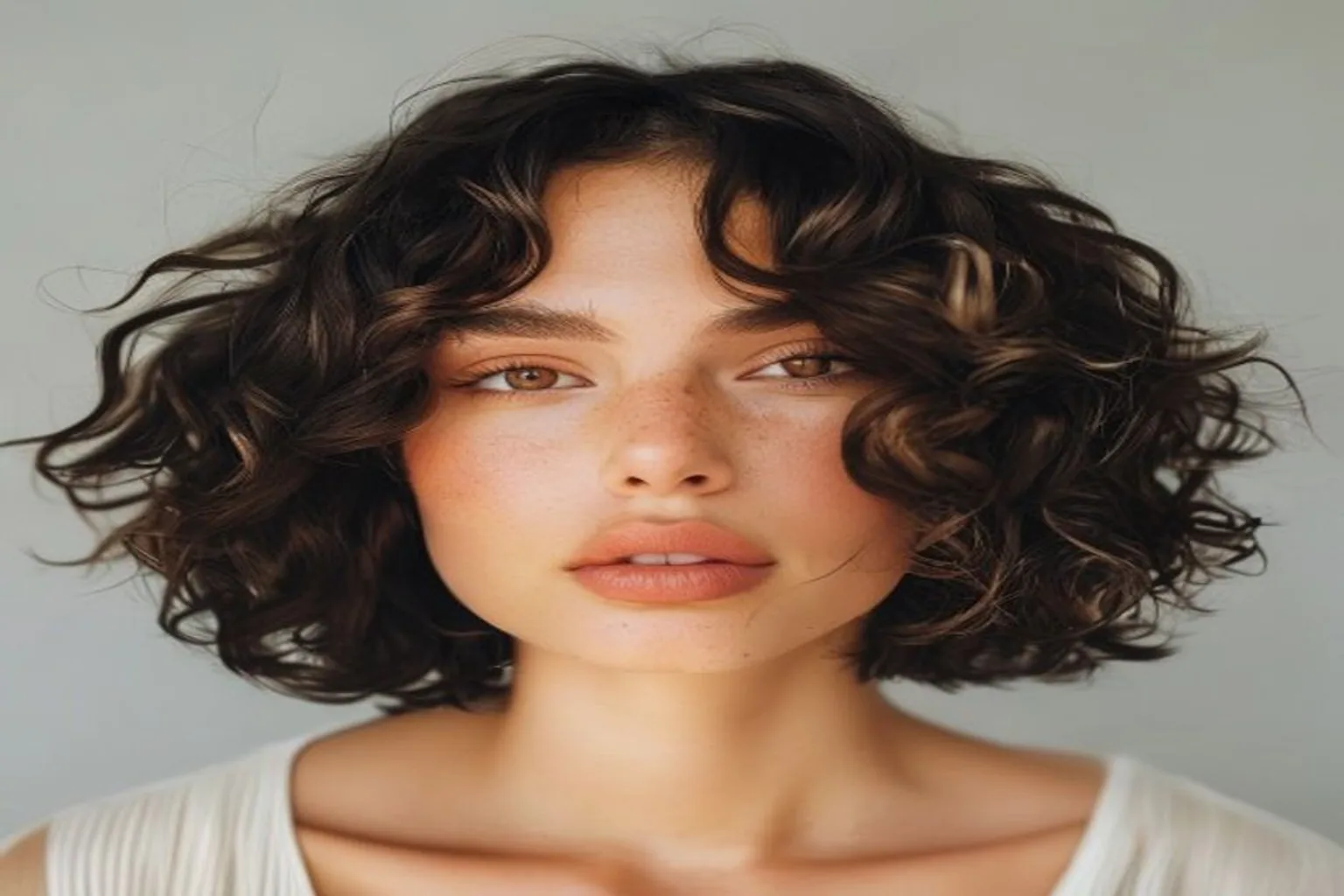
Curly hair shrinks significantly when it dries, so the cut needs to account for that shrinkage. Ask your stylist about dry cutting, where each curl is shaped individually while dry. It produces a more consistent shape than wet cutting and avoids the surprise of a chin-length bob becoming an ear-length bob once everything springs up.
Layered curly bob. Interior layers reduce the bulk that curly hair builds in a one-length cut, letting the curls spring and move rather than compress and puff.
Defined curl bob. A chin-length to jaw-length bob cut dry, curl by curl, that lets each ringlet fall at its natural length. Works on tight to medium curl patterns and produces a shape that holds through the day.
If your curly hair needs more than a bob this summer, see our guide to summer hairstyles for naturally curly hair for more options that work with your natural texture.
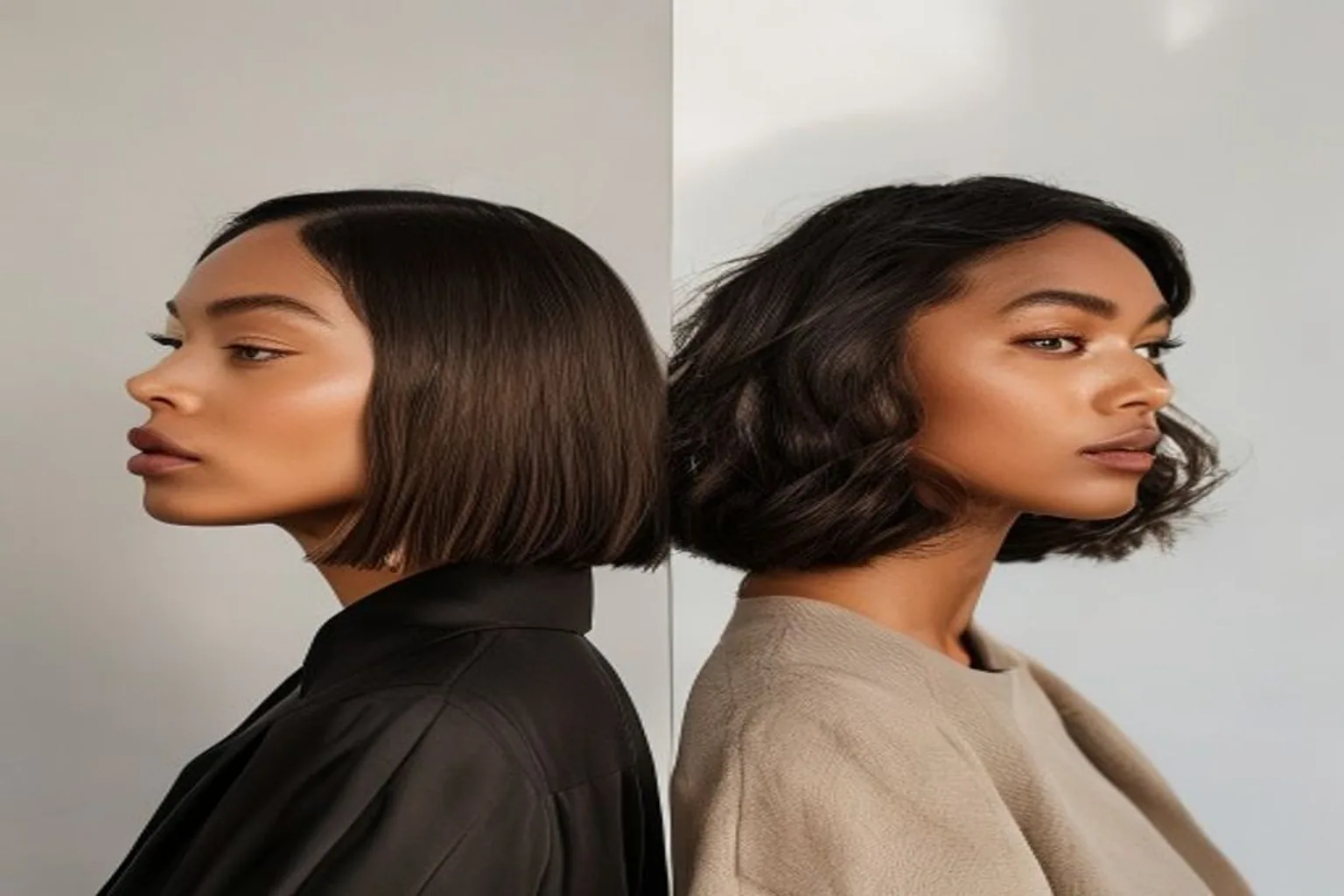
Short bob cuts by face shape
Short bob cuts by face shape
A bob can go wrong when the length lands in the wrong place. These eight styles match each face shape to the cuts most likely to work.
Oval face (style 43)
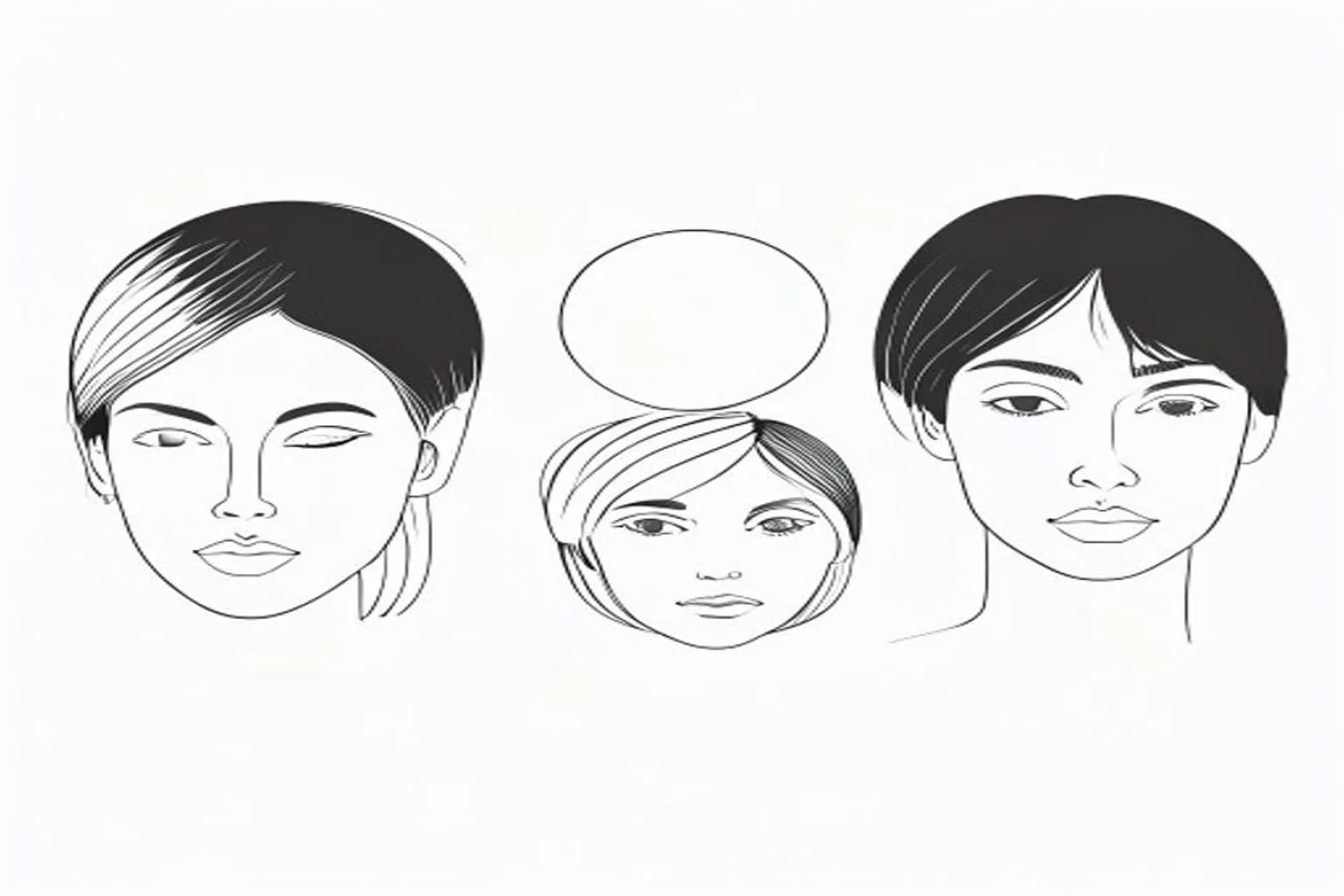
An oval face has balanced proportions above and below the widest point of the cheekbones. Nearly every bob style and length works, but the jaw-length blunt bob is the classic match because it does not add or subtract visual length from a face that is already well-proportioned.
Classic blunt bob for oval face. Any length from ear to chin works well. The blunt cut is the cleanest choice because it does not add angles or asymmetry to a face that already has good balance.
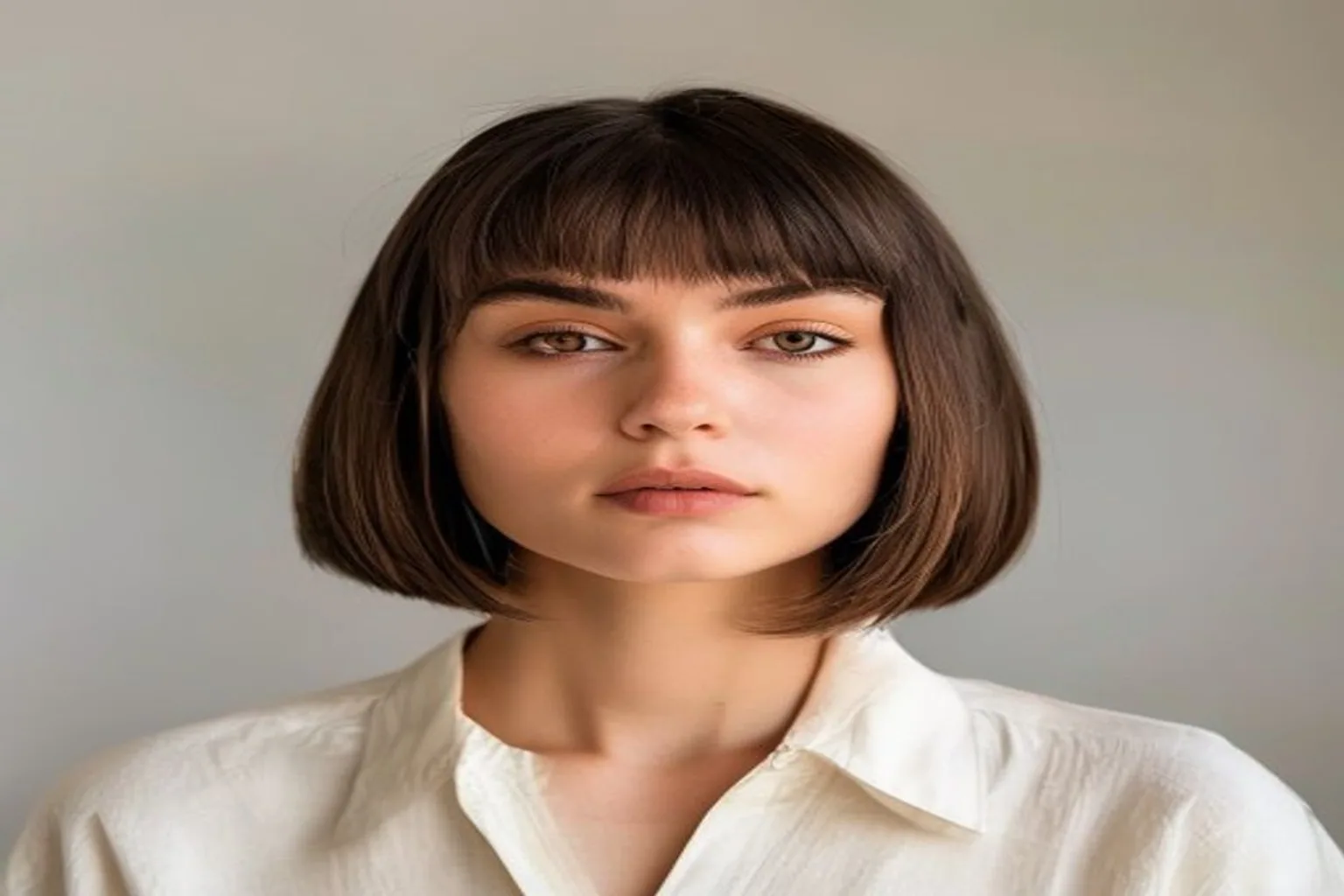
Round face (styles 44 to 45)
A round face benefits most from cuts that add the illusion of length and narrow the sides. An A-line or angled bob does both.
A-line bob for round face. Longer in the front, shorter in the back. The extra length at the front elongates the face visually and draws the eye downward rather than outward toward the widest point.
Chin-length bob with side part for round face. A side part moves hair to one side of the face and breaks the symmetry that makes a round face appear wider. Pair it with a soft wave for extra movement.
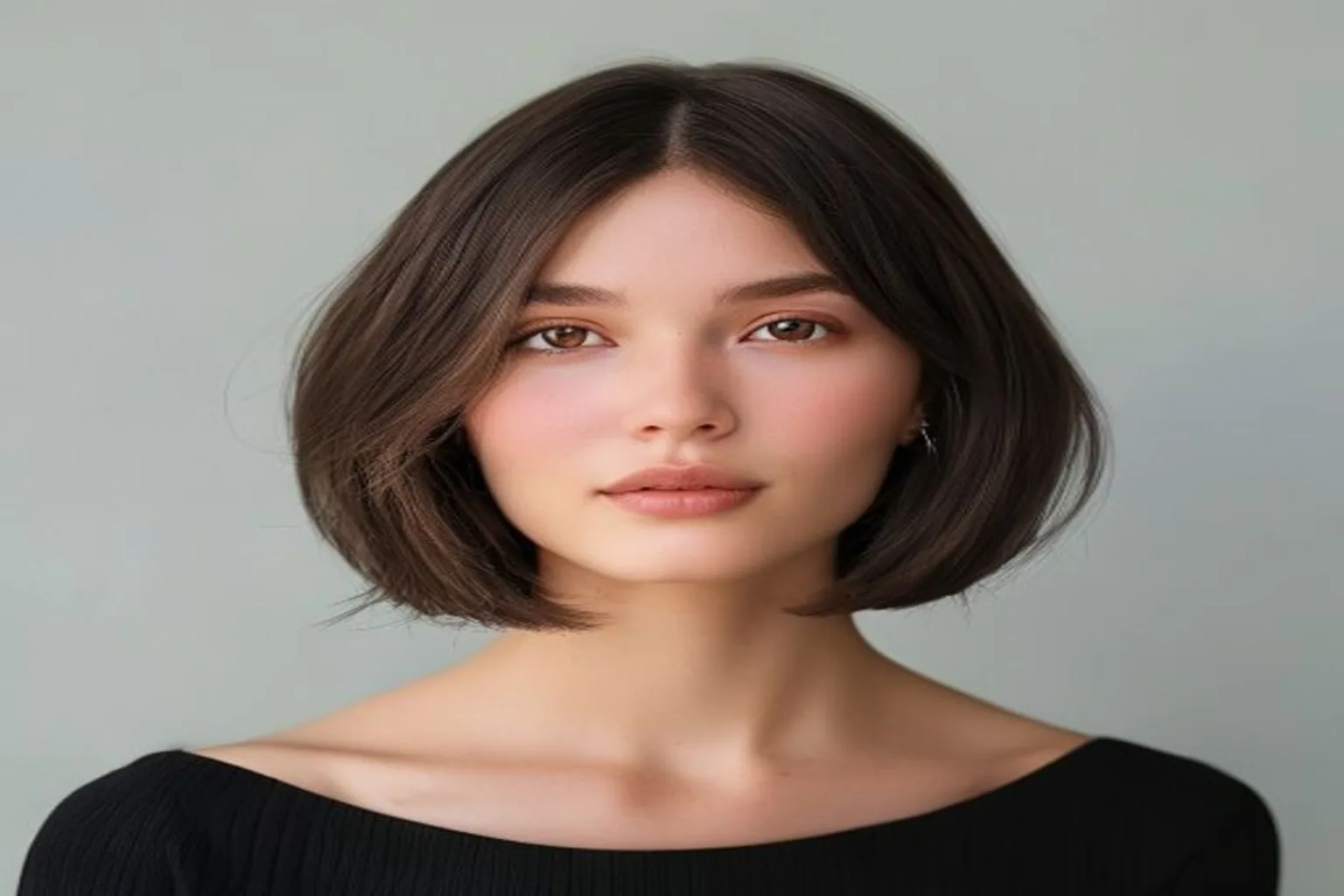
Square face (styles 46 to 47)
A square face has a strong, angular jawline. The goal is to soften those angles rather than mirror them with a cut that ends at exactly the same point.
Soft layered bob for square face. Interior layers break the hard line at the perimeter and let the ends move, softening the jaw. Avoid blunt cuts that end at exactly jaw level, as they draw attention to the jaw width.
Wavy bob for square face. Natural or styled waves add softness and movement that counterbalance the straight, angular lines of a square face. Any bob length works with this approach.
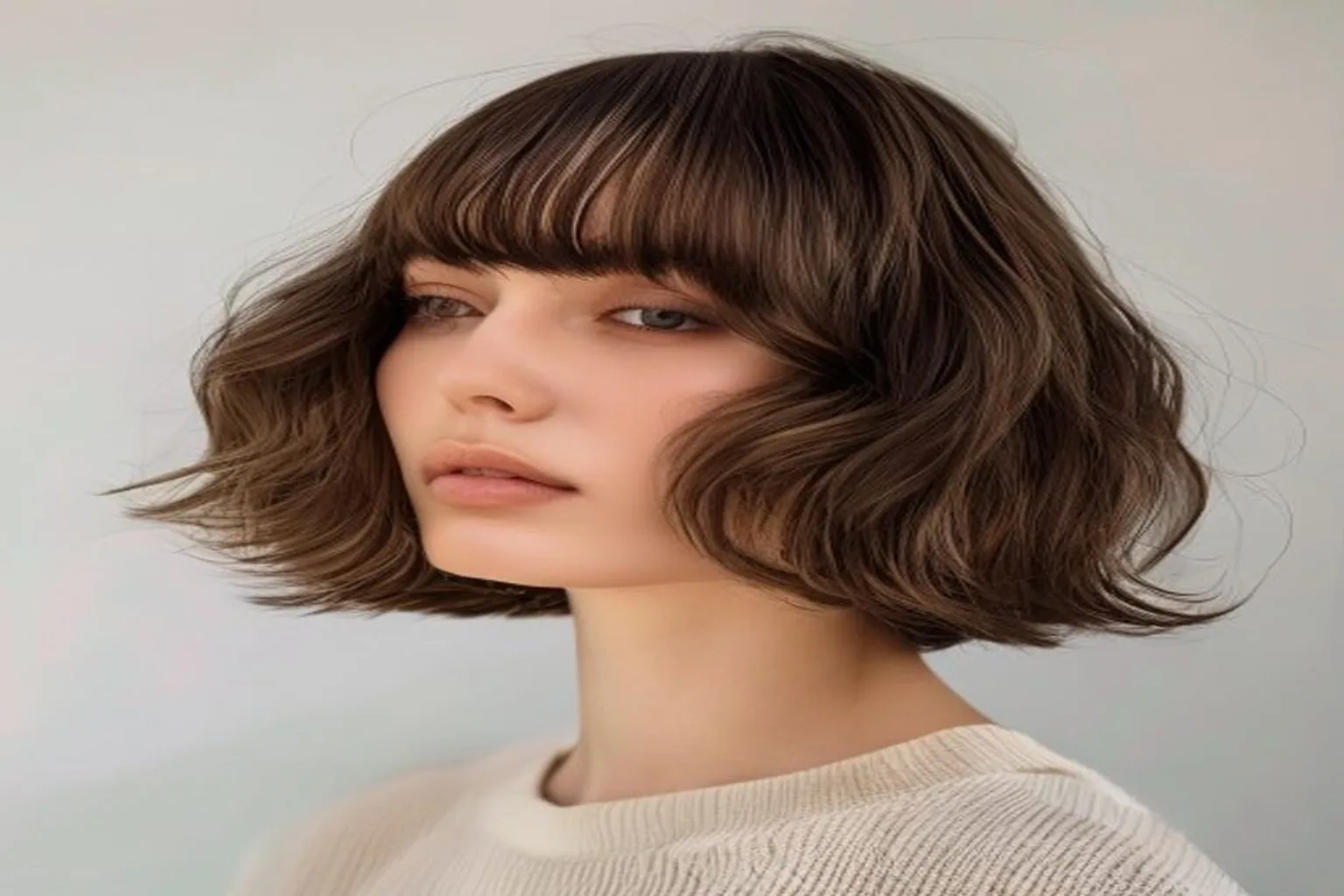
Heart-shaped face (styles 48 to 49)
A heart-shaped face is wider at the forehead and narrower at the chin. The goal is to balance the upper and lower face by adding visual width at the chin and softening a wider forehead.
Chin-length bob with side bangs for heart face. The chin length adds visual width at the narrowest part of the face, and the side-swept bangs narrow the appearance of a wider forehead by drawing the eye diagonally rather than straight across.
Layered bob for heart face. Soft layers that fall toward the chin add fullness in exactly the right place. Avoid ear-length bobs that take all the volume away from the chin area and emphasize the narrowness.
Oblong face (style 50)
An oblong or long face is longer from forehead to chin than it is wide. The goal is to add visual width and reduce the appearance of length.
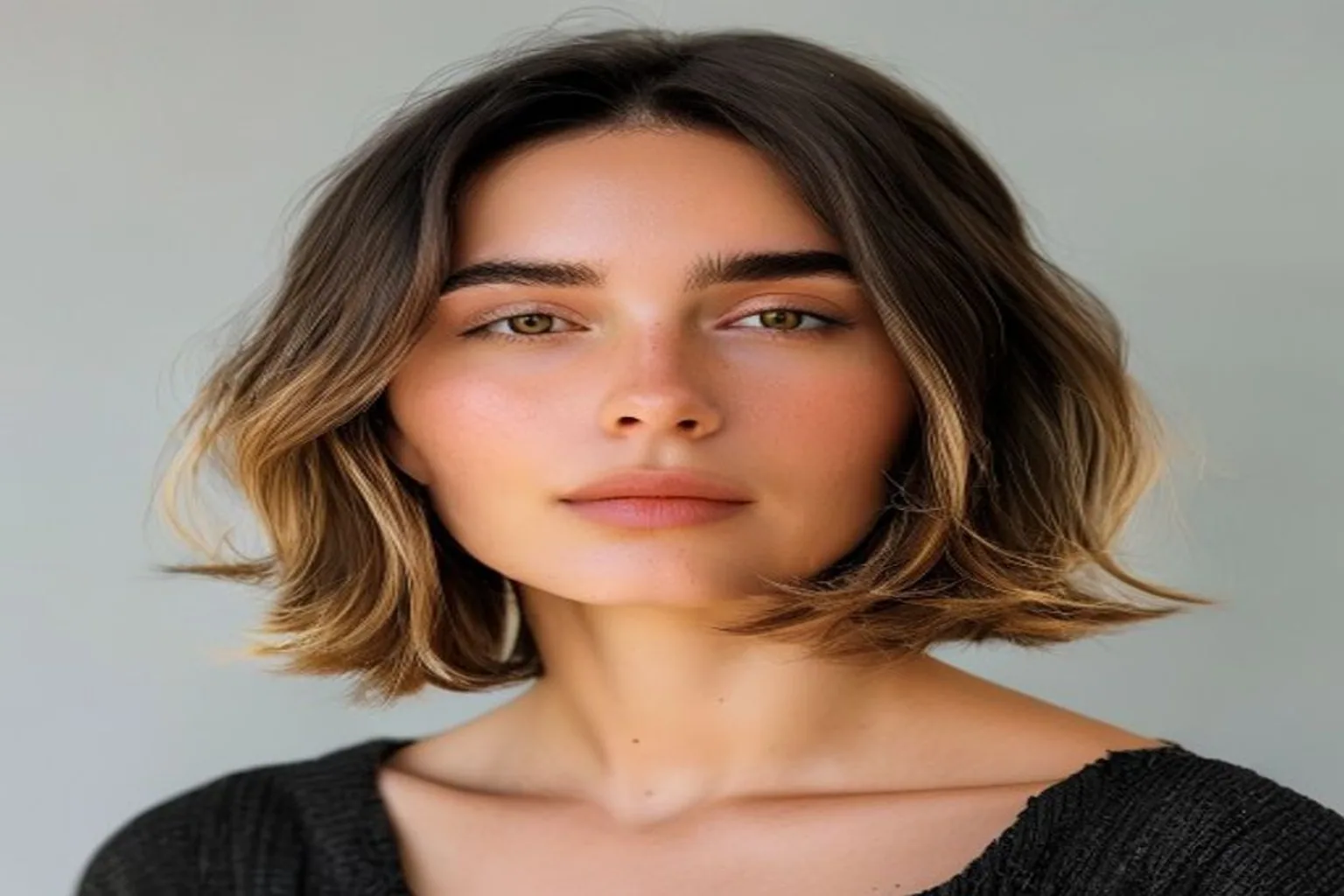
Chin-length bob with fullness for oblong face. A chin-length bob with soft layers or waves adds volume at the sides, creating the illusion of width. Avoid bobs with a lot of height at the crown or extra length below the chin, since both add to the overall vertical length of the face.
Low-maintenance short bobs (styles 51 to 55)
Low-maintenance short bobs (styles 51 to 55)
These five styles work after sleeping on them, air-drying in the morning, and skipping the blowout entirely.
Messy bob. A chin-length choppy bob worn with intentional undone texture. No blow-dry required. Scrunch a small amount of texturizing cream through damp hair and let it dry naturally.
Piece-y air-dry bob. A lightly point-cut bob that separates into natural pieces as it dries. Looks better air-dried than heat-styled, which makes it ideal for busy mornings.
Natural wave bob. A jaw-length bob cut to work with a natural wave pattern. Wash, apply a leave-in conditioner, and let the texture do the styling for you.
Tucked bob. Any chin-length or neck-length bob worn with one or both sides tucked behind the ear. Instantly polished, no tools needed, and one of the most versatile ways to wear any bob length.
Side-parted blunt bob. The simplest version of the classic blunt bob, worn with a natural side part and no additional styling product. Brush it into place and the shape holds for the rest of the day.
For short cuts that offer the same low-effort appeal beyond the bob shape, our guide to cool short haircuts for women covers heatwave-approved options worth browsing.

How to maintain a short bob
How to maintain a short bob
Trim schedule
A short bob holds its shape best when you return to the salon every six to eight weeks. At that interval, the cut stays clean and the perimeter remains defined. Waiting longer than ten weeks means the shape starts to look grown-out rather than intentional, though this varies depending on how fast your hair grows and which length you chose. Ear-length and jaw-length bobs show growth faster than chin-length or neck-length versions.
Products worth keeping
A lightweight texturizing spray adds separation and movement to air-dried styles without weighing the hair down.
A smoothing serum applied to damp hair before blow-drying eliminates frizz and adds shine to blunt cuts.
Dry shampoo extends the time between washes and refreshes the root area, which shows oil faster on shorter styles because there is less length to distribute it through.
For a deeper look at what works on short hair specifically, our roundup of short hair styling products covers the top picks across every product category.
Growing it out
The bob grows out more gracefully than almost any other short style. The general path is: short bob to neck-length bob to lob to shoulder length. At each stage, the previous cut still looks like a style rather than something halfway through growing out.
If you want to speed up the transition, ask your stylist to cut your bob with slightly more length at the front sections from the beginning. That gives you more to work with as the back catches up.
How to ask for a short bob at the salon
How to ask for a short bob at the salon
Bring a photo from this article or any reference that shows the exact silhouette you want. Stylists work from visual references, and a clear photo removes guesswork on both sides.
When you sit down, describe the length in concrete terms: how many finger-widths below the chin, jaw, or ear you want the baseline to sit. Tell your stylist your daily routine up front. If you do not own a round brush and do not plan to buy one, say so.
If you air-dry on most mornings, say that too. The cut should work with your actual habits, not the styling routine you are planning to start.
A few terms worth knowing before you go in. Baseline and perimeter both mean where you want the length to land. Graduation or stacking means volume built into the back of the cut. Interior layers give movement without disturbing the outer shape.
Point-cutting or texturizing gives you choppy, separated ends that air-dry well. And if you want a clean, blunt cut with a solid graphic perimeter, just say no layers.
Ask your stylist which length they would recommend for your face shape. A good stylist will have an immediate answer, and it gives you useful information even if you stick with your original plan.
Frequently asked questions
Frequently asked questions
Is the short bob still in style in 2026?
Yes, and it has been in style continuously for over a hundred years. The specific variations change with each decade, but the underlying cut has never gone out of fashion. The French bob, the textured choppy bob, and the classic blunt bob are all seeing strong demand right now and have been popular across multiple decades before this one.
What is the easiest short bob to maintain?
The chin-length or neck-length textured or choppy bob requires the least daily effort. It works well air-dried, does not need daily heat styling, and grows out without an obvious awkward phase. A texturizing spray applied to damp hair gives you a finished look with no additional tools.
Can fine hair pull off a short bob?
Fine hair looks great in a short bob. Shorter lengths help fine hair appear denser because more strands are visible at the perimeter. A blunt cut at chin or jaw length is the most flattering choice because it keeps all the visual weight at the baseline. Avoid too many interior layers, which spread the hair out and make it appear thinner.
What is the difference between a blunt bob and a layered bob?
A blunt bob is cut to one length with no interior layers, creating a clean, graphic baseline. A layered bob keeps the outer perimeter but removes weight inside with internal layers, producing more movement and a softer overall shape. Blunt bobs suit fine to medium straight hair best. Layered bobs suit medium to thick or wavy hair better.
How often do I need to trim a short bob to keep it looking good?
Every six to eight weeks for most bob lengths. Ear-length and jaw-length bobs may need a visit closer to four to six weeks since growth is more visible at the perimeter. Chin-length and neck-length bobs can go eight to ten weeks before the shape noticeably changes.
What is the difference between a bob and a lob?
A bob typically lands between the ear and chin. A lob, or long bob, lands between the chin and the collarbone. The lob is the grow-out destination after a short bob and requires less frequent trims because the additional length tolerates more growth before the shape changes noticeably.
Every trend has an expiration date. The bob does not. It has been here since before your grandmother was born and it will still be here when whatever is trending now has quietly disappeared. Find the version that fits your hair and your mornings, take a photo to the salon, and trust the cut. It has lasted over a hundred years for good reason.

Your email address will not be published. Required fields are marked *