

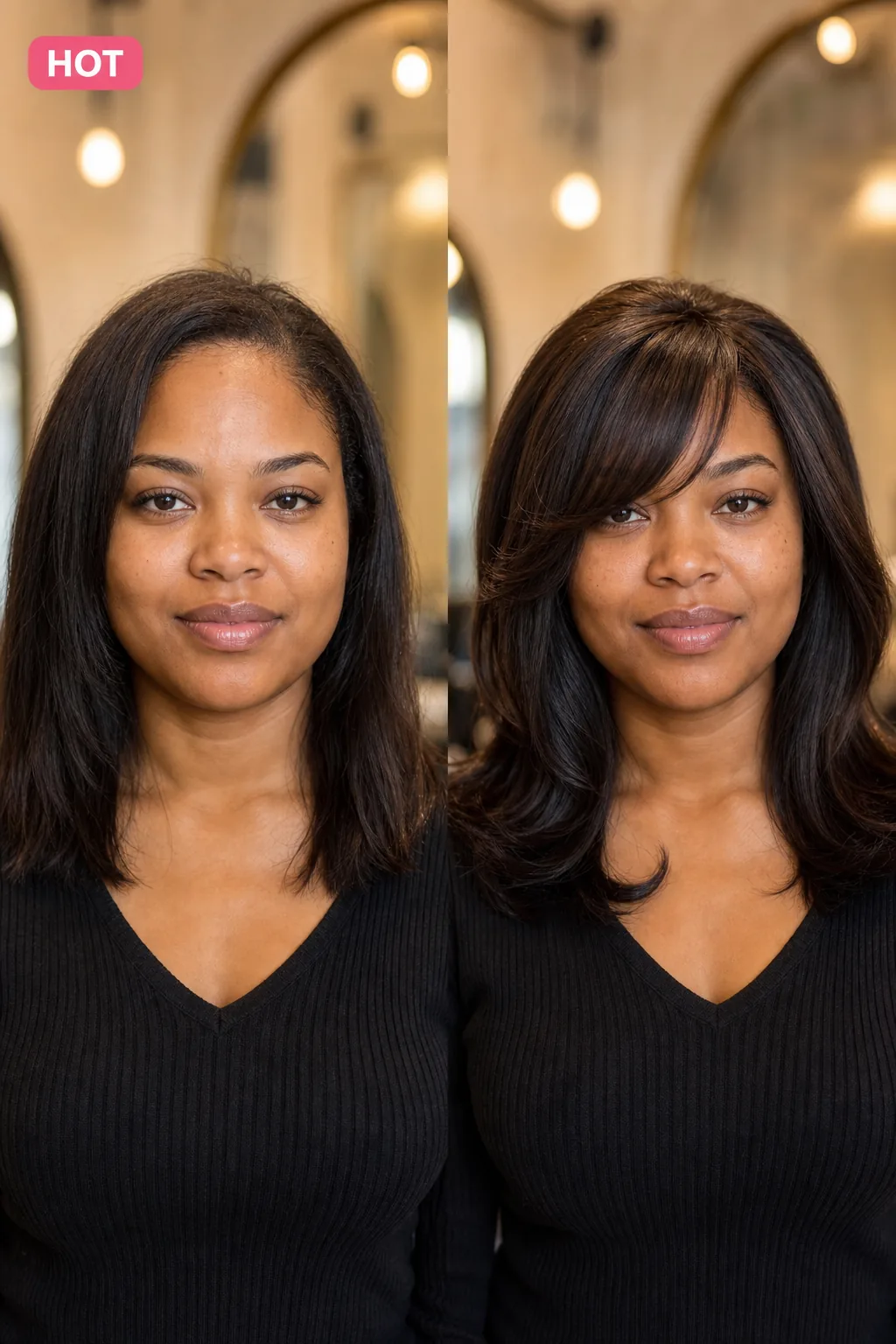
Finding the best hair toppers for thinning hair usually means wading through dozens of near-identical product pages with no real way to compare them. This guide narrows the field to five standout picks across the categories that actually matter: full human hair, maximum coverage, everyday medium coverage, a trusted best-seller, and a genuinely affordable option. Every pick below is based on published specs, retailer listings, and verified customer reviews as of July 2026, not paid placement, so prices and availability may shift by the time you shop.
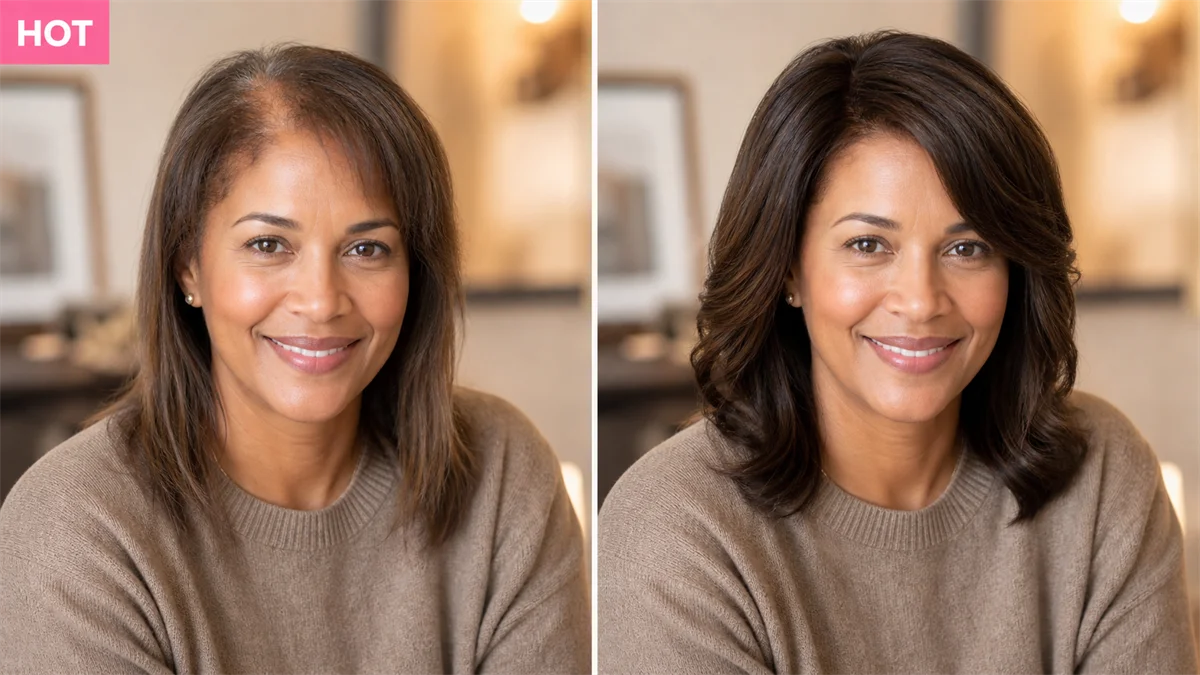
What Makes a Hair Topper the "Best" for Thinning Hair?
What Makes a Hair Topper the "Best" for Thinning Hair?
Before comparing specific products, it helps to know the four things that actually separate a great topper from a disappointing one. Coverage area comes first: crown coverage suits the most common thinning pattern, part-line coverage suits a widening part, and all-over coverage suits diffuse thinning across the top. Base construction comes second, since monofilament, lace front, and silk bases each create a different level of scalp realism and breathability, and this affects both comfort and how convincing the blend looks.
Hair type is the third factor, and it is the one shoppers underestimate most. Human hair toppers can be heat-styled and color-matched over time, while synthetic toppers hold a factory-set style through humidity but cannot be restyled once that set falls out. Price and value round out the list, since toppers range from around $60 for an entry-level synthetic piece to well over $1,000 for a full human hair topper, and the right choice depends on how often you plan to wear it and how much daily styling flexibility you want.
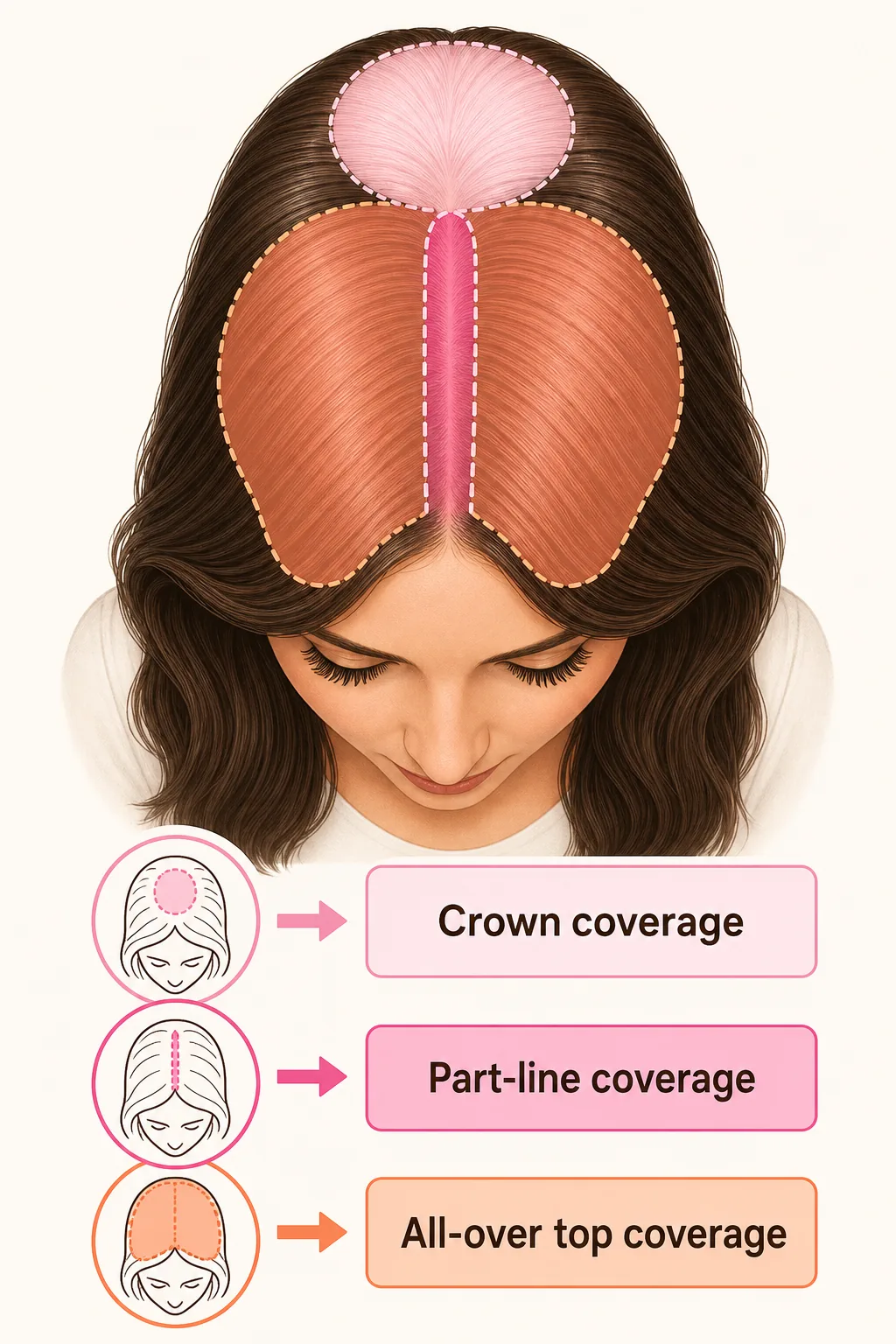
Our Picks: The Best Hair Toppers for Thinning Hair, by Category
Our Picks: The Best Hair Toppers for Thinning Hair, by Category
Best Human Hair Topper: easiPart 8" Remy Human Hair Topper by Jon Renau
Jon Renau's easiPart is a one-piece volumizer built from 100% Remy human hair, designed to clip in over the part and add instant thickness for beginning-stage thinning. Because it is genuine human hair, you can flat iron, curl, and restyle it the same way you would your own strands, and a stylist can rematch the color as your natural hair changes with the seasons. Pricing runs from roughly $650 for the 8-inch length up to over $2,000 for longer, fuller versions, reflecting the cost of real human hair construction. Customer reviews are largely positive on comfort and blend quality, though some buyers report that the color can look slightly different in person than the online swatch suggests, so ordering a color ring first is worth the extra step; see current pricing and colors at Jon Renau or Wigs.com.
Best Maximum Coverage: Total Topper by Toni Brattin
For thinning that extends well past the crown, the Total Topper is built with an extended crown plus added length through the sides and back, giving it more coverage area than a standard crown-only piece. It uses heat-friendly synthetic fiber, so it holds a set style through humidity while still tolerating occasional low-heat touch-ups. Priced between about $89 and $105 depending on retailer and sales, it costs well below most human hair options while still targeting the more difficult, larger thinning patterns that light-coverage toppers are not built to handle. Reviewers describe it as one of the more complete synthetic options for women who need coverage beyond just the crown; see current pricing at Toni Brattin.
Best Medium Coverage: Long Mono TP by Amore
The Long Mono TP uses a monofilament top that lets you part and re-part the hair in different directions while still covering the fringe-to-crown area most women need addressed. Priced from around $185 up to $300+ depending on retailer and base size, it sits comfortably between entry-level synthetic pieces and premium human hair toppers, and Amore offers lace-front versions elsewhere in the same collection if hairline realism matters more to you than price. Customer feedback is mixed but mostly positive: several reviewers note a smooth transition where the piece blends into their own hair at the front and sides, while a smaller number mention the back coverage runs thinner than they expected. See current pricing at Wigs.com.
Best-Selling Synthetic Topper: Top Billing by Raquel Welch
Top Billing carries a best-seller tag across multiple wig retailers, and it is designed to cover thinning at both the temples and the crown in one piece. It is a synthetic topper, so it arrives pre-styled and holds that style through washing without daily styling effort. Prices vary by retailer and length, typically landing between about $150 and $350. Long-time customers generally praise the natural look and coverage, though a portion of recent reviews mention that newer batches feel slightly less dense than older versions, which is worth checking against current photos before buying; see current pricing at Wigs.com or HairToppers.com.
Best Affordable Topper: Salon Topper by Toni Brattin
The Salon Topper is styled with short, feathered layers and a hint of curl, giving it a freshly-cut, salon-finished look rather than a flat, obviously-added piece. It clips in over the crown and is priced between about $89 and $105 depending on retailer and current sales, making it one of the more accessible heat-friendly synthetic options available under most premium human hair pieces. It is a solid entry point for anyone trying a topper for the first time who wants a natural, low-maintenance look without committing to a four-figure human hair piece. See current pricing at Headcovers.
Where to Find the Best Hair Topper for Your Thinning Area
Where to Find the Best Hair Topper for Your Thinning Area
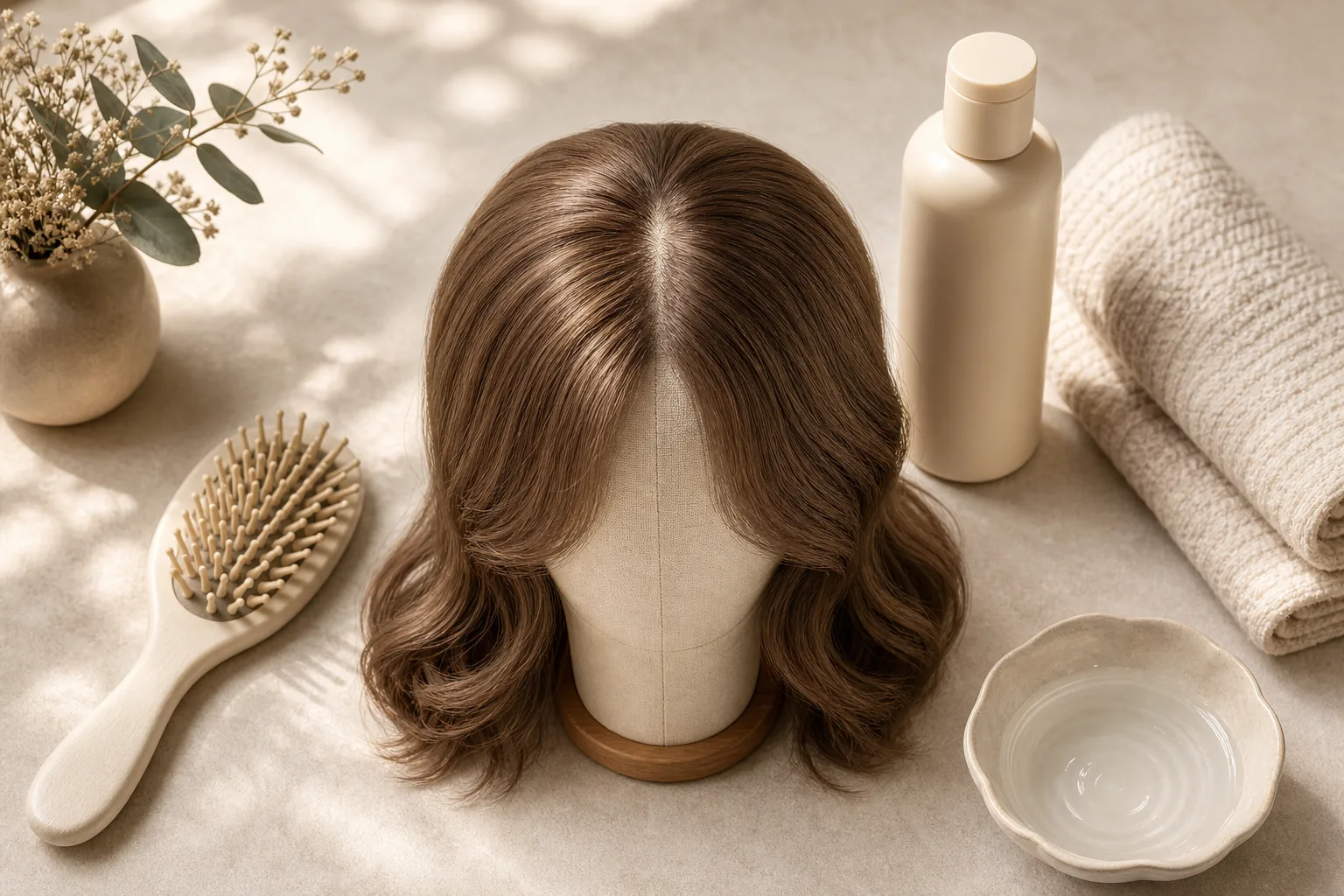
Start by measuring the area that actually needs coverage rather than guessing, since bases typically range from about 4×4 inches up to 6.5×6.5 inches and an oversized base blends more forgivingly than an undersized one. Decide on human hair or synthetic before you start comparing prices, since that single choice affects styling flexibility, maintenance, and cost more than any other factor. Buy from a retailer with a clear return or exchange policy, especially for your first topper, since color and density can look different in person than in product photos. Finally, budget for basic care supplies, a wide-tooth brush, a topper stand, and a sulfate-free hairpiece shampoo, since these small purchases protect whichever topper you choose and extend how long it looks genuinely natural.
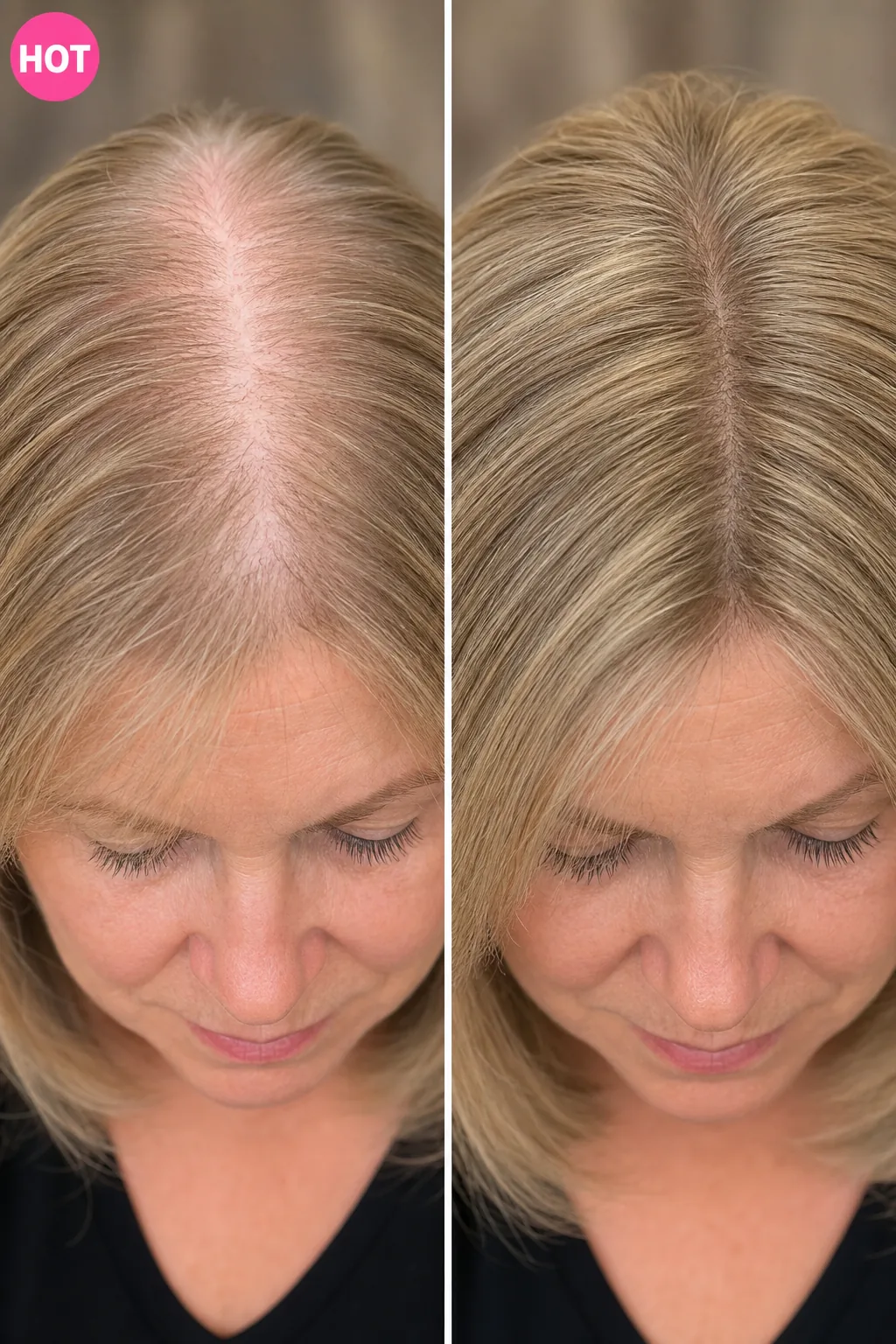
How to Style Any Hair Topper So It Blends Naturally
How to Style Any Hair Topper So It Blends Naturally
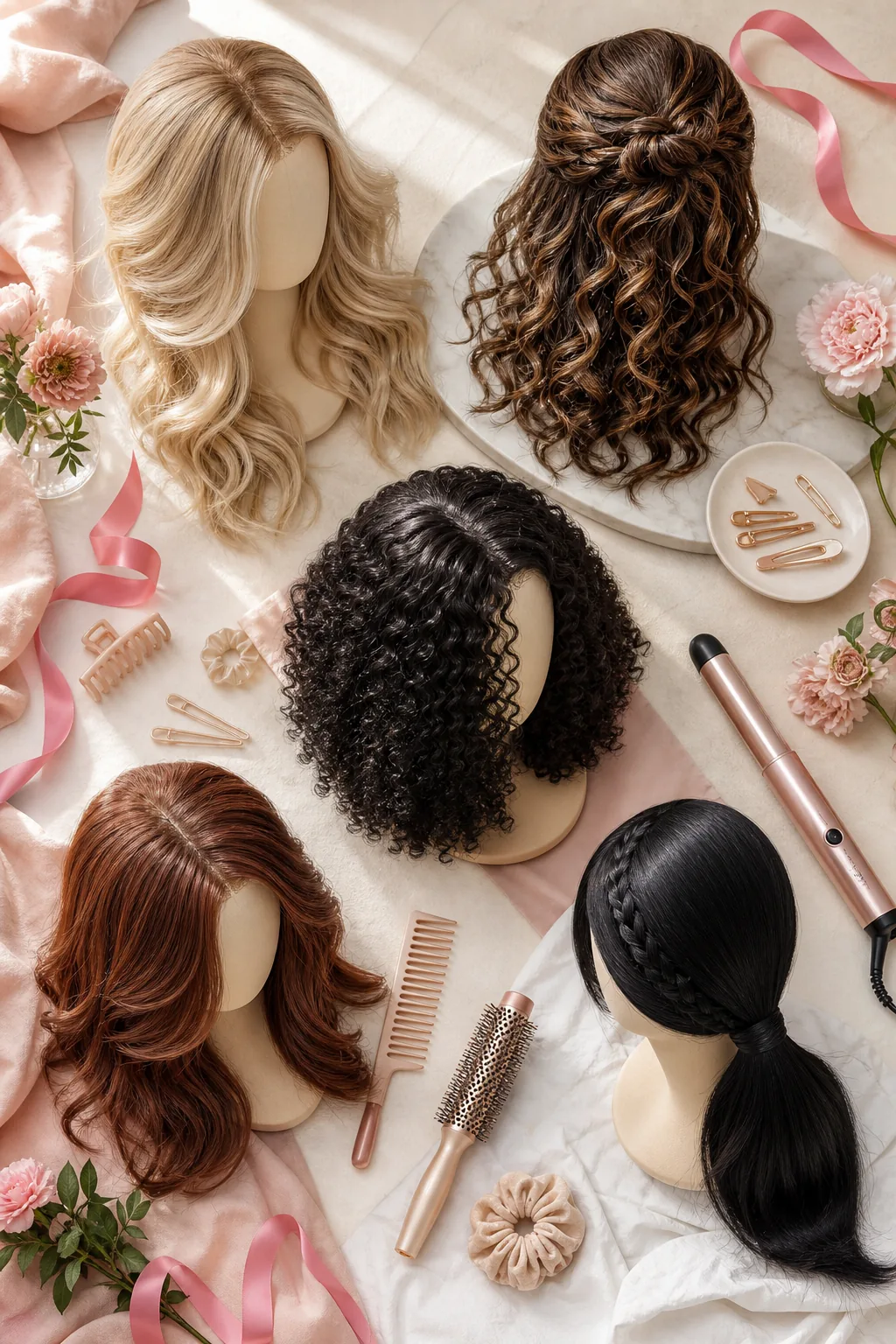
Whichever pick you choose, the styling goal is the same: work the topper's edges into your natural hair instead of styling around them, so the transition disappears. Curly and coily textures have a built-in advantage here, since natural volume covers seams more effectively than pin-straight hair; a curly half-up style, with the front and crown gathered loosely at the back while the rest falls free, works especially well because it draws attention to movement rather than to any flat section. Straight and wavy textures blend best with a soft side part and loose waves falling over the hairline, or a sleek low ponytail styled with a few face-framing pieces left loose. For more ways to work with natural texture around the coverage area, see these curly hairstyles.
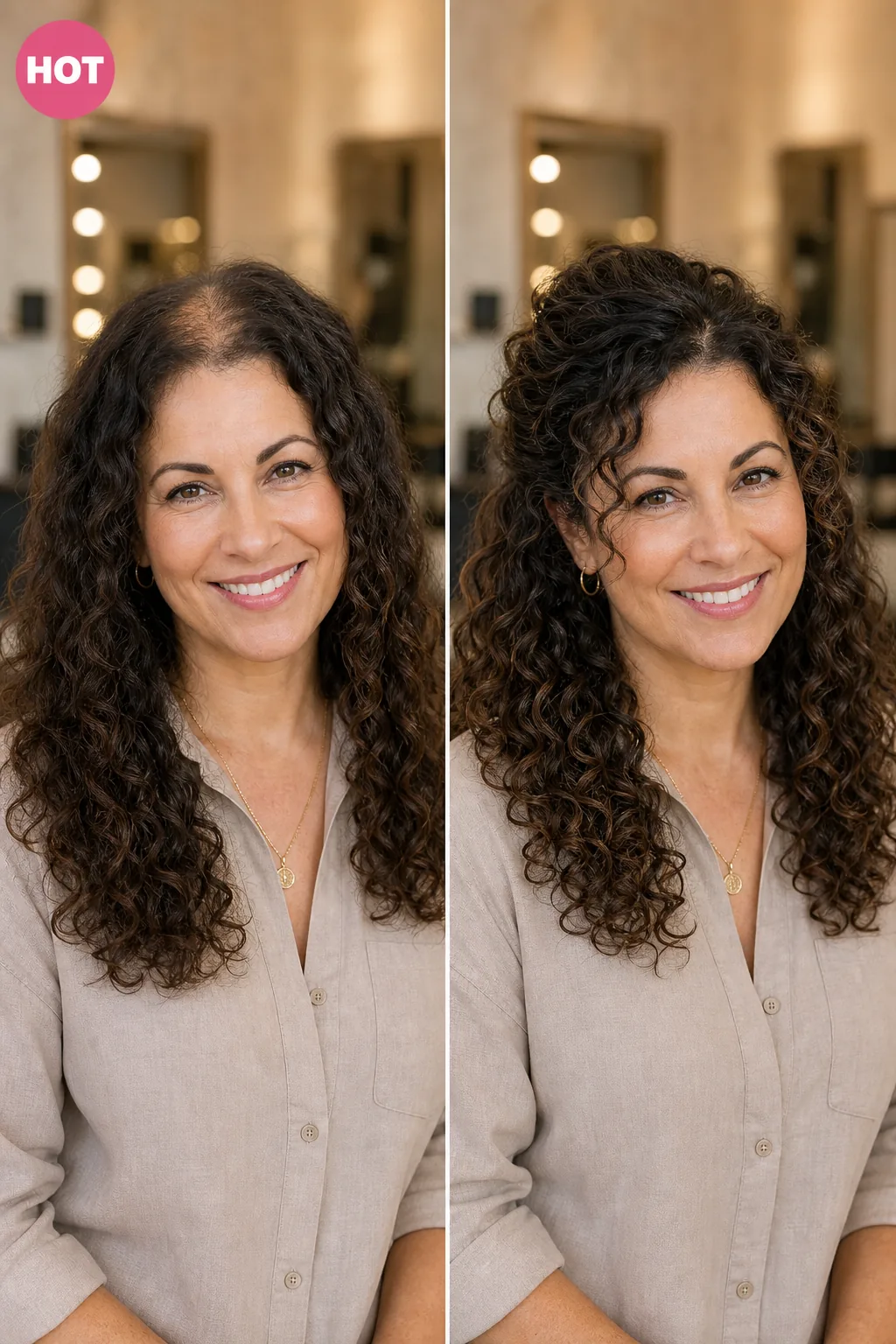
Face shape matters too. Round faces benefit from styles that build height at the crown, which most toppers are positioned to help with anyway, while square and heart face shapes soften nicely with a deep side part and side-swept bangs that draw the eye toward the eyes rather than the jawline. A classic half up half down style also works well over most toppers, since it keeps the crown area covered by the topper's own hair while leaving the lower length free. Whatever style you choose, lightly teasing your natural hair at the point where it meets the topper's edge, and using the same styling product on both, helps the two textures mesh instead of reading as separate layers.
Attaching and Caring for Your Hair Topper
Attaching and Caring for Your Hair Topper
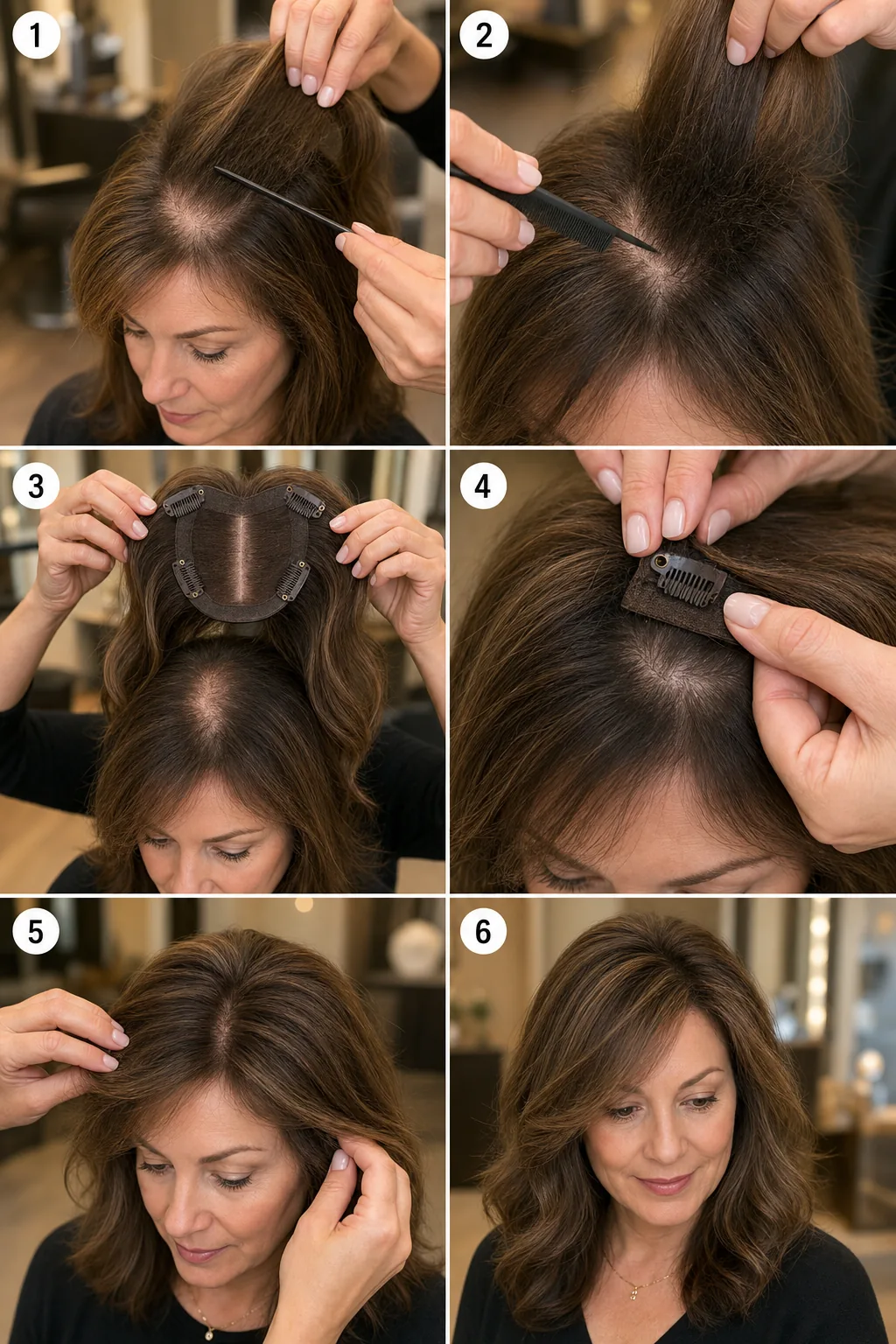
Getting a natural blend starts with how you section your own hair before the topper ever touches your head. Section off the area where the piece will sit, then use a rat-tail comb to create a clean, lightly teased base along your natural roots for the clips to grip, and position the topper so its part line matches your own before securing the clips close to the scalp. Most women find that once they have practiced the routine a few times, it adds only about five to ten extra minutes to their regular styling time.
Whichever topper you buy, the care routine looks similar. Wash it only as often as needed with a mild, sulfate-free product made for hairpieces, air-dry it on a stand when possible, and keep any heat styling on the lowest setting the material can handle. Storing it on a stand between wears, rather than folded in a drawer, keeps the base from creasing and the fibers from tangling, and a gentle brush-out after each wear removes product buildup before it has a chance to build up in the base.
Frequently Asked Questions
Frequently Asked Questions
What is the best hair topper for thinning hair if I have never worn one before? For a first-time buyer, a heat-friendly synthetic option like the Salon Topper by Toni Brattin is a reasonable starting point, since it is priced under $110, arrives pre-styled with no learning curve, and clips in over the crown the same way most other toppers do. Once you know your coverage needs and preferred base type, you can decide whether to move up to a human hair piece later. Trying a lower-cost synthetic pick first also gives you a low-risk way to get comfortable with daily attachment and removal before investing in a premium piece.
Hair Topper vs. Wig: What Is the Difference? A hair topper only covers a section of the head, such as the crown or part line, while a full wig covers the entire head and replaces your visible hair completely. Toppers work with your remaining natural hair, blending the two together, whereas a wig is generally worn independently of your own hair underneath. This makes a topper a better fit for someone with localized thinning who has hair elsewhere.
Can I wear a hair topper with curly or coily hair? Yes, curl pattern matching matters more here than almost any other factor in choosing the right piece. Look for a topper made in a curl or coil pattern that closely matches your own texture, since a straight or wavy topper will not blend convincingly into curly or coily hair regardless of how well the color matches. Styling techniques like twist-outs, wash-and-go looks, or braided styles over the coverage area also help the blend look intentional.
How long does a hair topper for thinning hair last with regular wear? With gentle washing, low-heat styling, and proper storage on a stand between wears, a topper can look natural through months of regular use. How long it stays looking its best depends on frequency of wear, quality of daily care, and how often it is exposed to heat styling or harsh products. A simple maintenance routine, similar to caring for any hairpiece, is generally the biggest factor in how long it looks natural.
Will a hair topper damage my natural hair? When applied correctly, with clips positioned against a properly sectioned area and not left in tension for long periods, a topper should not damage your hair underneath. Being mindful of clip placement, giving your scalp regular breaks from wear, and avoiding overly tight attachment are simple habits that help protect your hair while wearing a topper regularly. If you notice unusual tension or changes in your hair's condition, speak with a stylist or dermatologist about your attachment method.
Choosing the best hair toppers for thinning hair comes down to matching coverage, base type, and hair type to your actual thinning pattern and budget, then styling the piece the way you would style any hairstyle you love. The five picks above cover the range from a first-time budget buy to a premium human hair investment, so you can start wherever your needs and budget meet. Pair whichever topper you choose with a few volume-boosting fine hair styles ideas for fine, thinning hair to build a routine that feels like your own.
Your email address will not be published. Required fields are marked *