Knotless braids styles are the reason braiders' chairs are booked out weeks in advance right now, since the technique starts with your own hair instead of a knot for less tension and a flatter part from day one. This roundup breaks down 20 knotless braids styles trending in 2026, each labeled with who it suits, how much upkeep it takes, and the exact wording to hand your braider. No two entries suit the same hair type or lifestyle, so the goal here is to help you land on the one that actually fits yours.
Whether you have fine hair that needs weight distributed carefully, thick hair that can carry almost anything, or you are deciding between a jumbo braid and a small one, you will find a clear answer here. Save the ones that fit your lifestyle and screenshot the salon-ready phrasing before your next appointment. Every entry below follows the same format, so you can scan, compare, and walk in already knowing what to ask for.
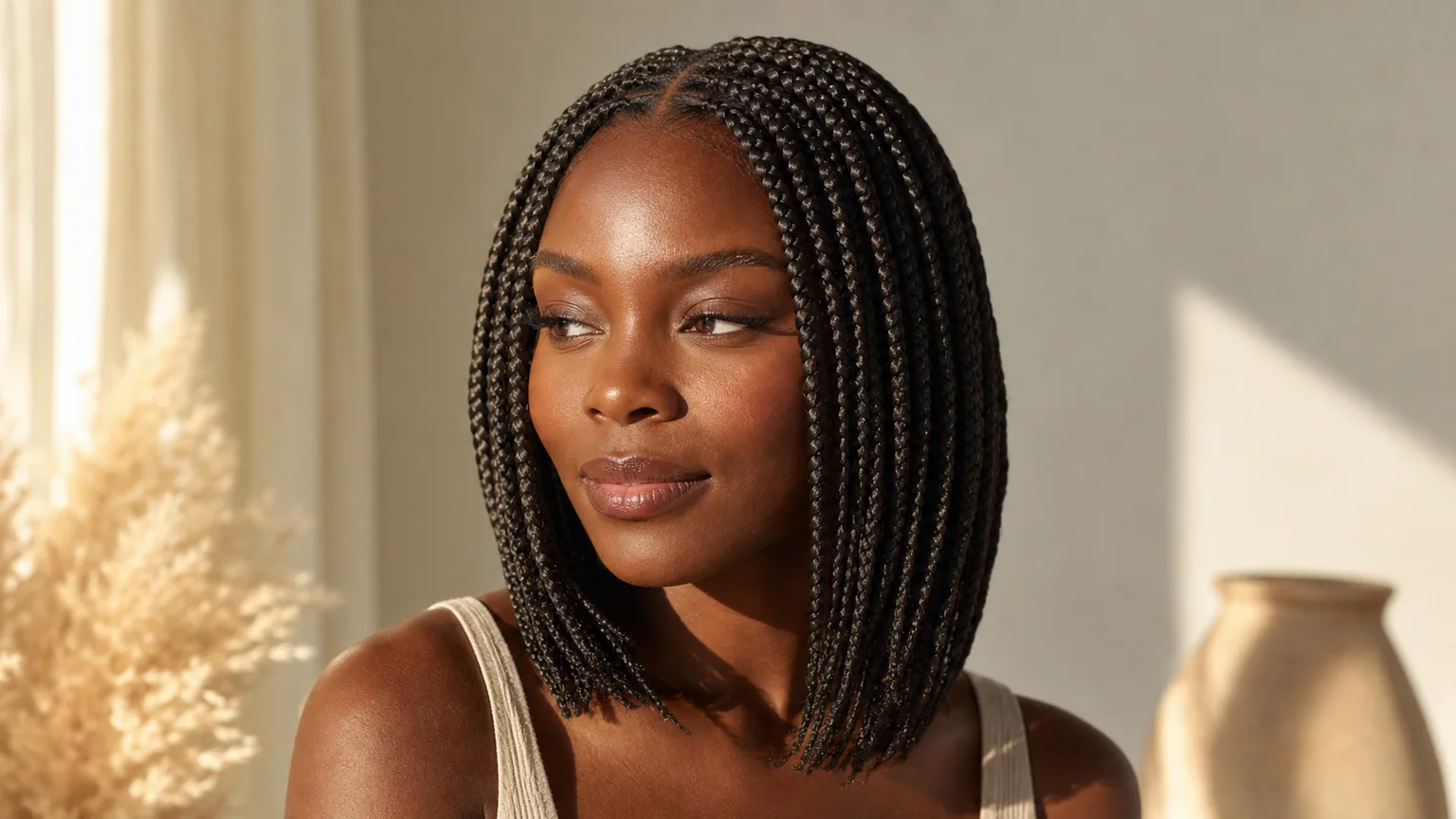
If braids in general are new territory for you, it is worth exploring braided hairstyles for women first, since knotless is usually the gentlest entry point for a first-timer. Box braids, cornrows, and twists all share the same protective-style benefits, just with different upkeep tradeoffs. Once you have a feel for how they compare, the size and length breakdown below will make a lot more sense.
30 Knotless Braid Styles at a Glance
| Style | Braid Size | Best For | Install Time | Lasts |
|---|---|---|---|---|
| Classic Knotless Box Braids | Medium | Everyday wear | 4-6 hrs | 6-8 wks |
| Small Knotless Braids | Small | Fine detail, longer style | 6-8 hrs | 8-10 wks |
| Jumbo Knotless Braids | Jumbo | Bold, fast install | 2-3 hrs | 4-6 wks |
| Knotless Triangle Parts | Medium | Unique parting pattern | 5-7 hrs | 6-8 wks |
| Knotless Bob Braids | Medium | Shoulder length, less weight | 3-5 hrs | 4-6 wks |
| Half-Up Knotless Braids | Medium | Versatile everyday style | 4-6 hrs | 6-8 wks |
| Knotless Braids with Beads | Medium/Small | Festival, events | 5-7 hrs | 6-8 wks |
| Knotless Braids with Curls | Medium | Boho, romantic look | 5-7 hrs | 4-6 wks |
| Ombre Knotless Braids | Medium | Color without chemical damage | 5-7 hrs | 6-8 wks |
| Blonde Knotless Braids | Medium | High-contrast, dramatic look | 5-7 hrs | 6-8 wks |
| Brown Knotless Braids | Medium | Natural, subtle color | 4-6 hrs | 6-8 wks |
| Knotless Braids Updo | Medium/Small | Weddings, formal events | 6-8 hrs | 6-8 wks |
| Knotless Cornrow Combo | Mixed | Creative pattern, artistic | 5-7 hrs | 6-8 wks |
| Goddess Knotless Braids | Medium | Boho, beachy | 5-7 hrs | 4-5 wks |
| Knotless Braids with Color Blocks | Medium | Bold fashion statement | 5-7 hrs | 6-8 wks |
| Micro Knotless Braids | Micro | Delicate, natural finish | 8-10 hrs | 10-12 wks |
| Knotless Side Part Braids | Medium | Face-framing, casual | 4-6 hrs | 6-8 wks |
| Knotless Braids Ponytail | Medium | Quick style variation | Add-on | 6-8 wks |
| Long Knotless Braids (waist) | Medium/Small | Maximum length statement | 8-10 hrs | 8-10 wks |
| Shoulder-Length Knotless Braids | Medium | Manageable daily wear | 4-6 hrs | 6-8 wks |
| Knotless Braids with Accessories | Medium | Cuffs, shells, rings | 4-6 hrs + decor | 6-8 wks |
| Knotless Box Braid Bun | Medium | Neat, polished updo | 4-6 hrs | 6-8 wks |
| Feed-In Knotless Braids | Medium | Seamless hair addition | 5-7 hrs | 6-8 wks |
| Knotless Braids with Waves | Medium | Textured boho ends | 5-7 hrs | 4-5 wks |
| Burgundy Knotless Braids | Medium | Autumn, rich color | 4-6 hrs | 6-8 wks |
| Knotless Senegalese Twist Combo | Medium | Texture variety in one style | 6-8 hrs | 6-8 wks |
| Knotless Braids with Locs | Mixed | Faux loc effect | 6-8 hrs | 6-8 wks |
| Chunky Knotless Braids | Large | Quick, bold look | 3-4 hrs | 4-5 wks |
| Two-Tone Knotless Braids | Medium | Natural + color mix | 5-7 hrs | 6-8 wks |
| Knotless Braids with Butterfly Locs | Mixed | Textured, bohemian | 7-9 hrs | 6-8 wks |
What Are Knotless Braids? (and Why They're Trending in 2026)
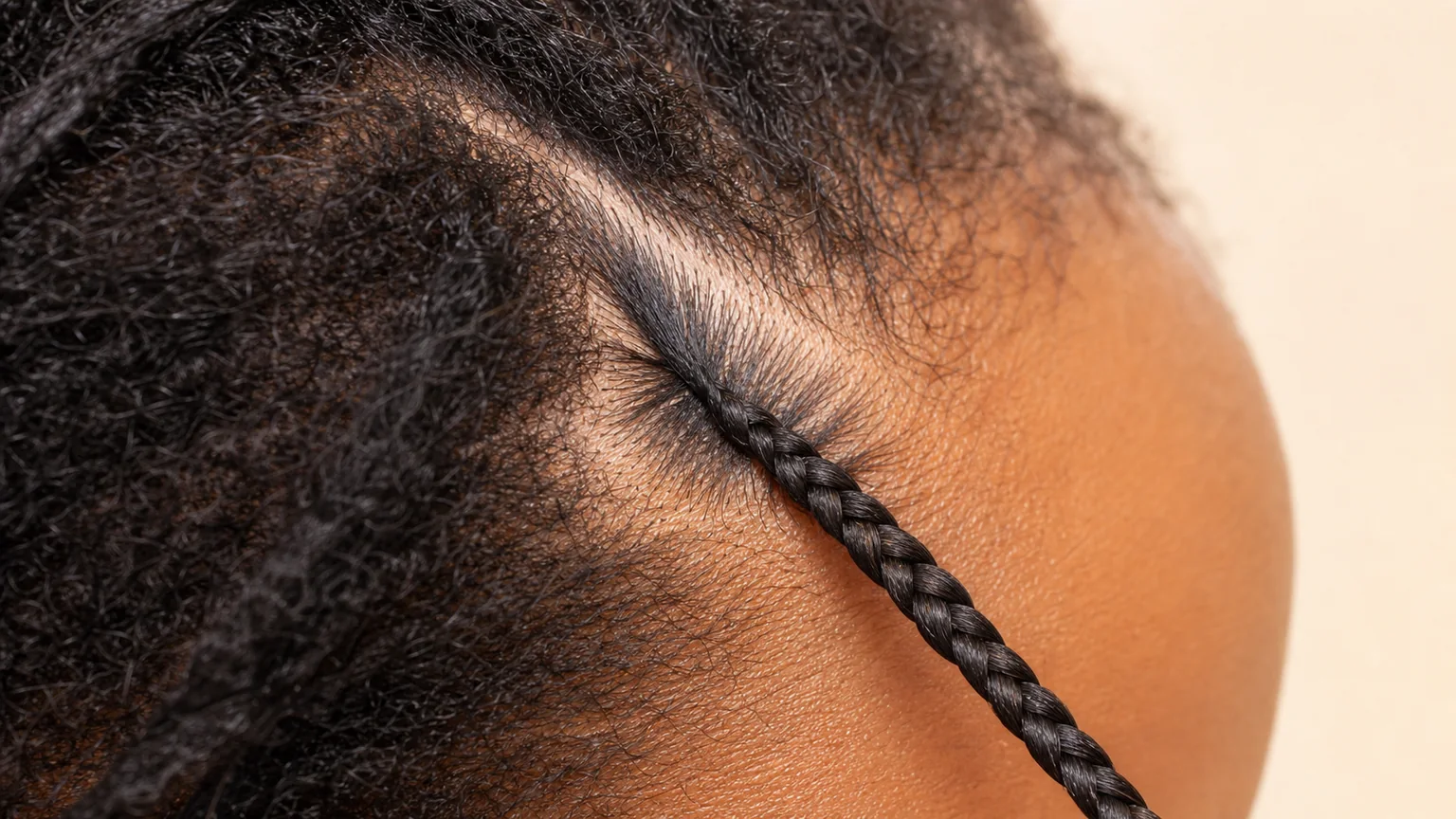
Knotless braids use a feed-in technique: the braider braids your own natural hair first, then gradually adds extension hair in small sections as she works down the strand. There is no knot bulk at the root the way there is with traditional box braids, which gives knotless its signature flat part and makes the first few days noticeably more comfortable, especially around the hairline. The tradeoff is time and cost, since the feed-in method is slower and requires more skill to execute evenly, so budget for a longer, pricier appointment.
Small, Medium, and Jumbo Knotless Braids Styles (Finding Your Size)
Braid size is the first real decision to make, and it affects everything from install time to how your hair handles the style day to day. Fine hair tends to look fuller in smaller to medium sizes, while thick natural hair has more flexibility and can carry any size well. The six styles below cover that full range, from the smallest and longest-lasting to the fastest to install.
1. Classic small knotless braids, waist-length
The most versatile pick in the roundup, likely to photograph well from any angle. The small sections spread tension evenly across the scalp, which is why this size holds its shape the longest of anything on this list. It is a reliable first choice if you are not sure yet which size suits you best.
Who It Suits: Fine hair that needs weight distributed across smaller sections.
What to Ask Your Braider: Small feed-in knotless braids, waist-length, with a traditional box parting pattern.
Maintenance Effort: Medium; needs consistent nightly wrapping to prevent frizz at the ends.
Chair Time: Five to eight hours.
2. Small knotless braids in a half-up style
The same fine, detailed braid as the classic version, with the crown pulled back for a softer everyday look. It keeps braids off the face without committing to a full updo, which makes it an easy default for work or school. The half-up section can be re-gathered at home whenever you want a change without touching the rest of the install.
Who It Suits: Fine hair, and anyone who wants braids off the face without a full updo.
What to Ask Your Braider: Small feed-in knotless braids with the crown gathered into a half-up style.
Maintenance Effort: Medium, same as the classic version, plus a hair tie placed loosely enough not to add tension at the crown.
Chair Time: Five to eight hours.
3. Medium knotless braids to the shoulder
Medium sits at the balance point between install time and everyday manageability, and is usually the size recommended for a first knotless install. It works well across most hair densities without asking for the longest possible chair time. Most braiders can also adjust the parting pattern later without a full redo.
Who It Suits: Most hair densities, from fine to thick; a strong first choice for a first knotless install.
What to Ask Your Braider: Medium knotless braids, shoulder-length, with a traditional box parting pattern.
Maintenance Effort: Low to medium, with a nightly bonnet to keep the ends smooth.
Chair Time: Three to five hours, depending on your braider's speed.
4. Medium knotless braids with a side part
The same medium size, styled with a deep side part instead of a middle part. That single change alone can soften a round or square face shape without altering anything else about the install. It is worth mentioning to your braider before she starts, since parting direction is easier to set at the beginning than to change later.
Who It Suits: Anyone who wants a side part to soften a round or square face shape.
What to Ask Your Braider: Medium knotless braids, shoulder-length, with a deep side part.
Maintenance Effort: Low to medium.
Chair Time: Three to five hours.
5. Jumbo knotless braids at shoulder-length
Jumbo is the fastest of the three sizes to install and the lightest option for your scalp, since fewer braids mean less pulling weight overall. The tradeoff is more visible scalp between parts, which reads as a shorter-term protective style rather than a long one. It is a good pick when you need something fast without sacrificing scalp comfort.
Who It Suits: Sensitive scalps or thinning edges that need the lightest possible pulling weight.
What to Ask Your Braider: Jumbo feed-in knotless braids, shoulder-length, with a traditional box parting pattern.
Maintenance Effort: Low, though the wider parts need a little extra care to keep the scalp from looking dry.
Chair Time: Ninety minutes to three hours, the fastest of any size on this list.
6. Jumbo knotless braids with a middle part
The same jumbo size with a clean middle part instead of a side part. It is the quickest install on this entire list, which makes it a solid option when you need a protective style on short notice. The middle part also keeps the style symmetrical, which some people prefer over a side part for everyday wear.
Who It Suits: Anyone who wants the fastest possible install and does not mind more visible scalp between parts.
What to Ask Your Braider: Jumbo feed-in knotless braids, shoulder-length, with a middle part.
Maintenance Effort: Low.
Chair Time: Ninety minutes to three hours.
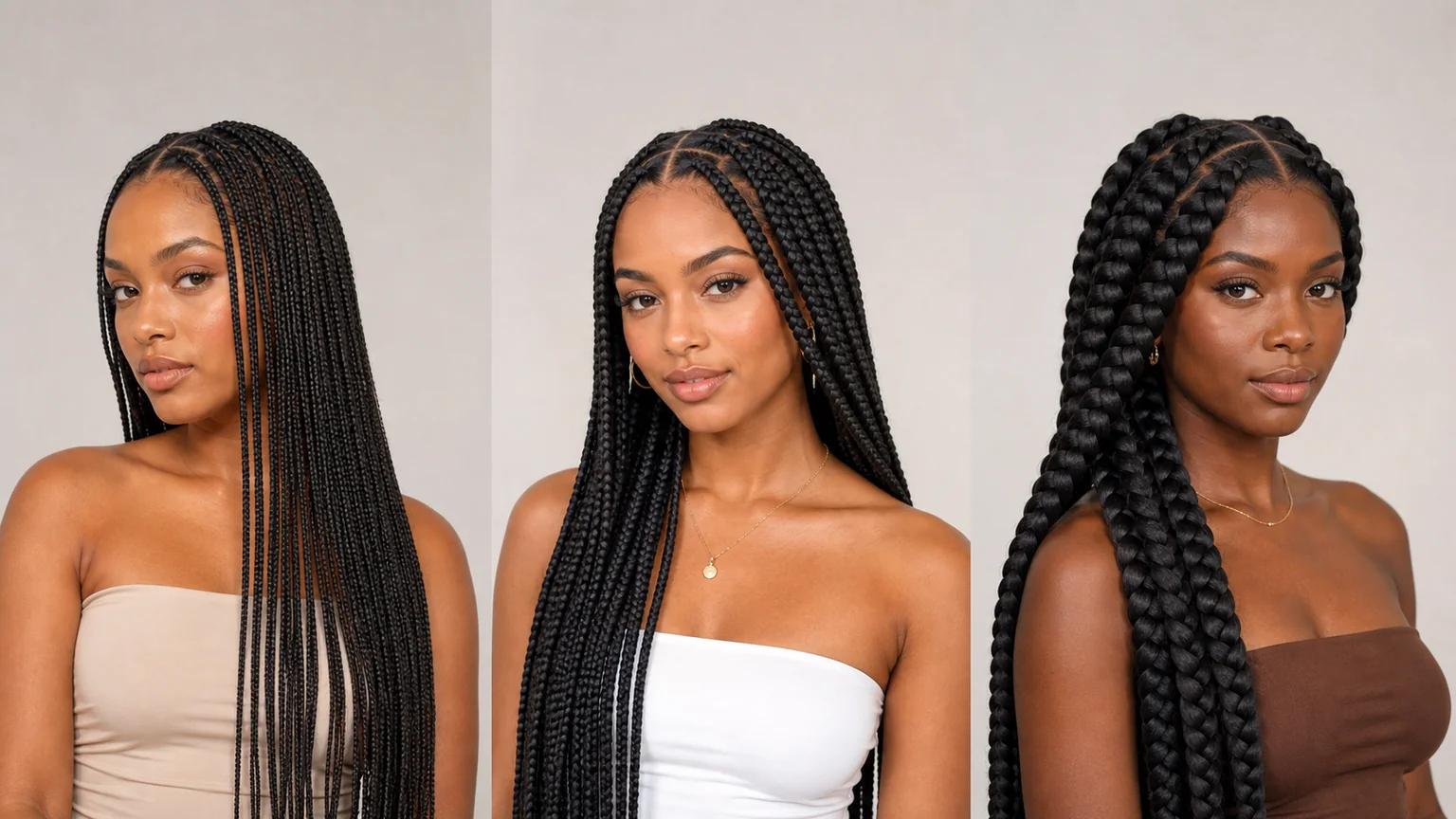
If you love the length of the waist-length small braids above, this collection of long hairstyle ideas has more inspiration for pairing braided length with your everyday styling routine. Long styles also give you the most options for updos later, which is worth factoring in if you like to switch up your look mid-install. Just remember that longer braids in a smaller diameter take noticeably more chair time.
Bohemian Knotless Braids with Curly Ends
These styles bring a softer texture by leaving the last few inches loose and curled instead of straight, which works well for most face shapes because the curls frame the face naturally. They read a little dressier than a straight-ended braid and are a favorite for warmer months and events. The tradeoff is a bit more upkeep than a fully straight install, which is worth knowing before you book.
7. Bohemian knotless braids with loose curly ends
The curls soften sharp angles and add movement around the jawline, giving the ends a natural, wind-blown finish. It reads dressier than a straight-ended braid without requiring any extra styling once installed. Most braiders set the curls with a wand or perm rod at the very end of the appointment, so the base braiding is identical to any other knotless install.
Who It Suits: Most face shapes, especially angular ones that benefit from soft movement at the jaw.
What to Ask Your Braider: Knotless braids with curled ends using a wand or perm rod set, not just cut ends left loose.
Maintenance Effort: Medium to high; refresh the curls every one to two weeks, since they frizz faster in humidity.
Chair Time: Same as the base size chosen, plus thirty to sixty minutes for curling.
8. Half-braided, half-curly goddess style
A larger, more intricate goddess braid set that transitions into curled ends for a regal, romantic finish. It carries a dressier feel than the standard bohemian version above, which makes it a strong pick for a wedding or a big event. The larger sections also mean a shorter chair time than the smaller bohemian braids, despite the fuller finished look.
Who It Suits: Anyone wanting a fuller, more voluminous take on the curly-ends look for a special occasion.
What to Ask Your Braider: A goddess knotless braid set with curled or wand-set ends.
Maintenance Effort: Medium to high, same curl-refresh schedule as the bohemian version.
Chair Time: Similar to a jumbo or medium base, plus curling time.
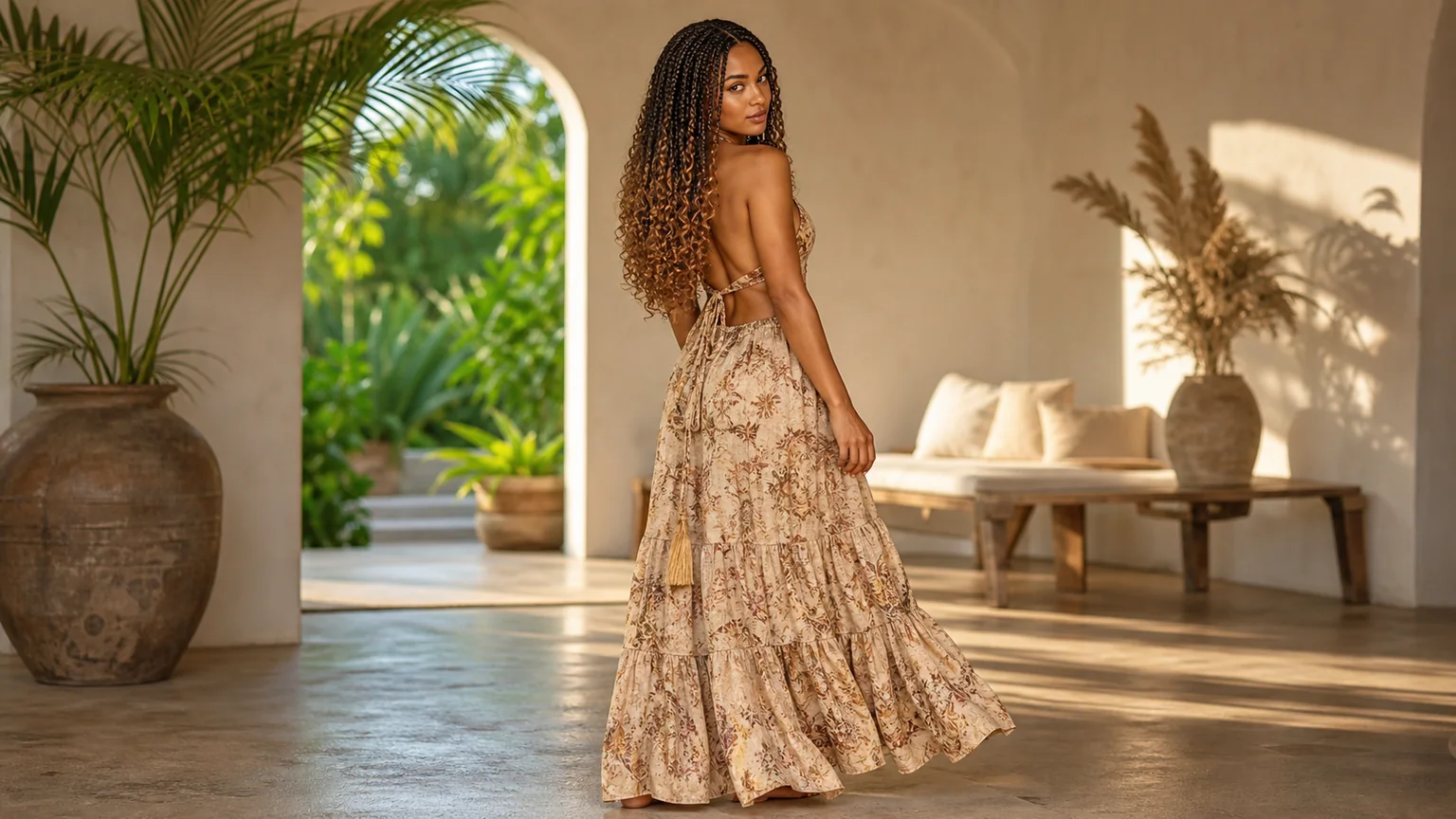
Knotless Braids with Beads and Color
This is where knotless braids styles get the most personal, and where a few small details make a real difference in comfort and longevity. Lightened and vivid braiding hair behaves differently once it has been on your head for a few weeks, so pre-stretched, tangle-resistant hair is worth requesting for any of the styles below. The same goes for beads: placement matters just as much as the look itself.
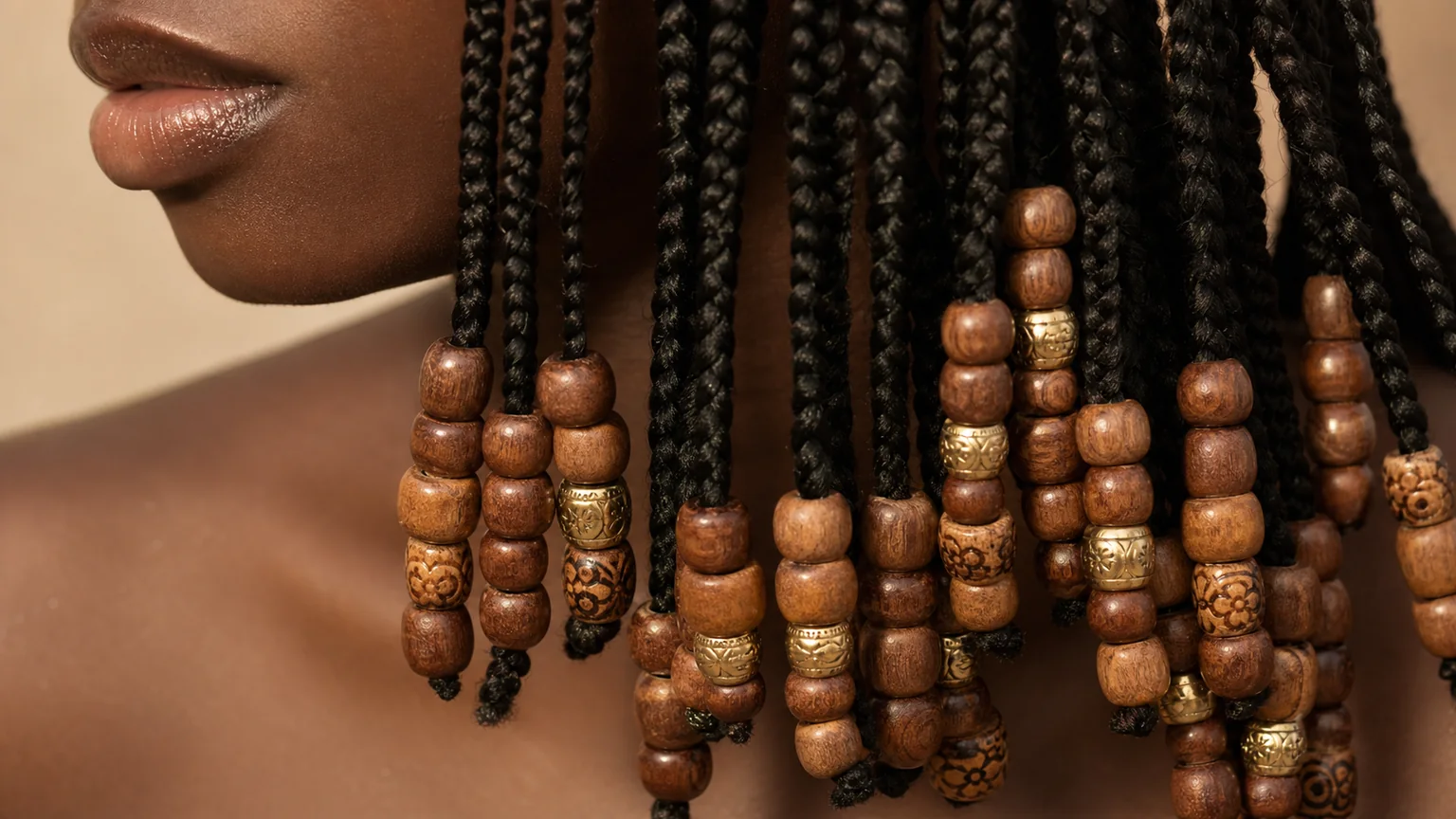
9. Knotless braids with gold or wooden beads
A decorative finish added to the ends of select braids, usually in gold-tone metal or natural wood. Beads add real weight, so anyone with a sensitive scalp or thinner edges should ask for them placed only at the very ends. A handful of beaded braids scattered through the style gives the same visual effect with less overall weight than beading every strand.
Who It Suits: Anyone wanting a decorative accent; sensitive scalps should stick to ends-only placement.
What to Ask Your Braider: Beads on the last two inches only, not throughout the whole head.
Maintenance Effort: Medium. Beads need occasional repositioning as new growth pushes them upward.
Chair Time: Same as the base size chosen, plus bead placement time.
10. Blonde knotless braids
A full head of lightened braiding hair for a bold change without touching your natural color underneath. The bleaching process used to achieve the tone roughens the hair fiber, so it runs drier and tangles faster by week three or four. Choosing pre-stretched hair in the shade you want helps offset that roughness for most of the install.
Who It Suits: Anyone wanting a bold color change without lightening their own hair.
What to Ask Your Braider: Pre-stretched, tangle-resistant blonde braiding hair.
Maintenance Effort: Medium to high, more moisture care than natural-toned braids.
Chair Time: Same as the base size chosen.
11. Red or copper knotless braids
A warmer color option that behaves the same way blonde braiding hair does once it has been dyed. It reads as a bold trend color while still feeling wearable for daily life, especially against warmer skin tones. Like blonde braids, it holds up best with regular moisture care through the middle weeks of wear.
Who It Suits: Warmer skin tones looking for a color accent that still reads natural.
What to Ask Your Braider: Pre-stretched, tangle-resistant red or copper braiding hair.
Maintenance Effort: Medium to high, same as any dyed braiding hair.
Chair Time: Same as the base size chosen.
12. Skunk-stripe knotless braids
A dark base with one bold color panel running through the center or along one side, usually in copper, red, or burgundy. Only that striped section is dyed, so the rest of the install behaves like natural-toned hair for care purposes. It is a way to try a trend color without committing to lightening the whole head.
Who It Suits: Anyone wanting a bold trend look without committing to all-over color.
What to Ask Your Braider: A skunk-stripe panel using pre-stretched, tangle-resistant braiding hair in one section only.
Maintenance Effort: Medium; only the striped section needs the extra moisture care that dyed hair requires.
Chair Time: Same as the base size chosen.
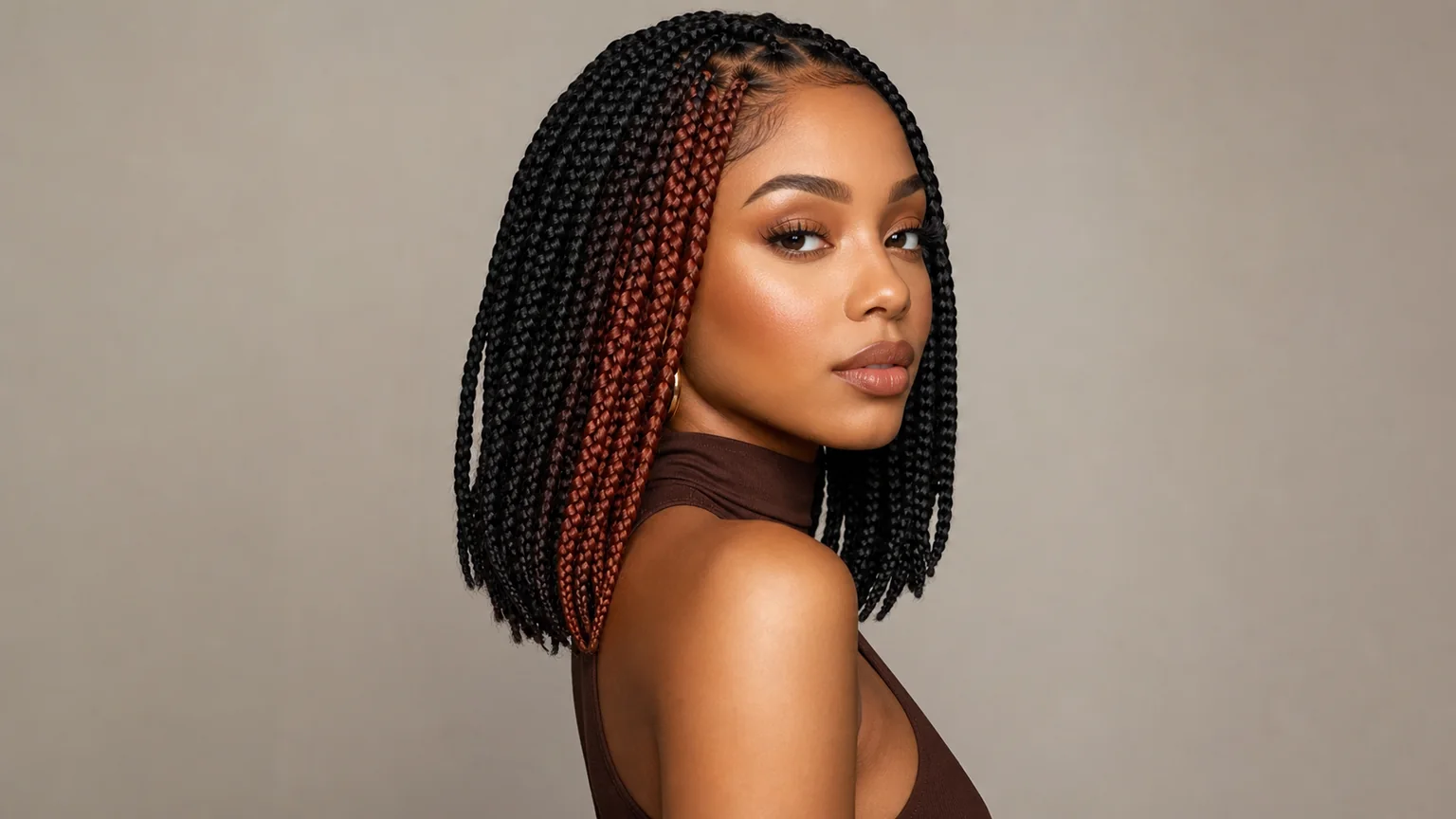
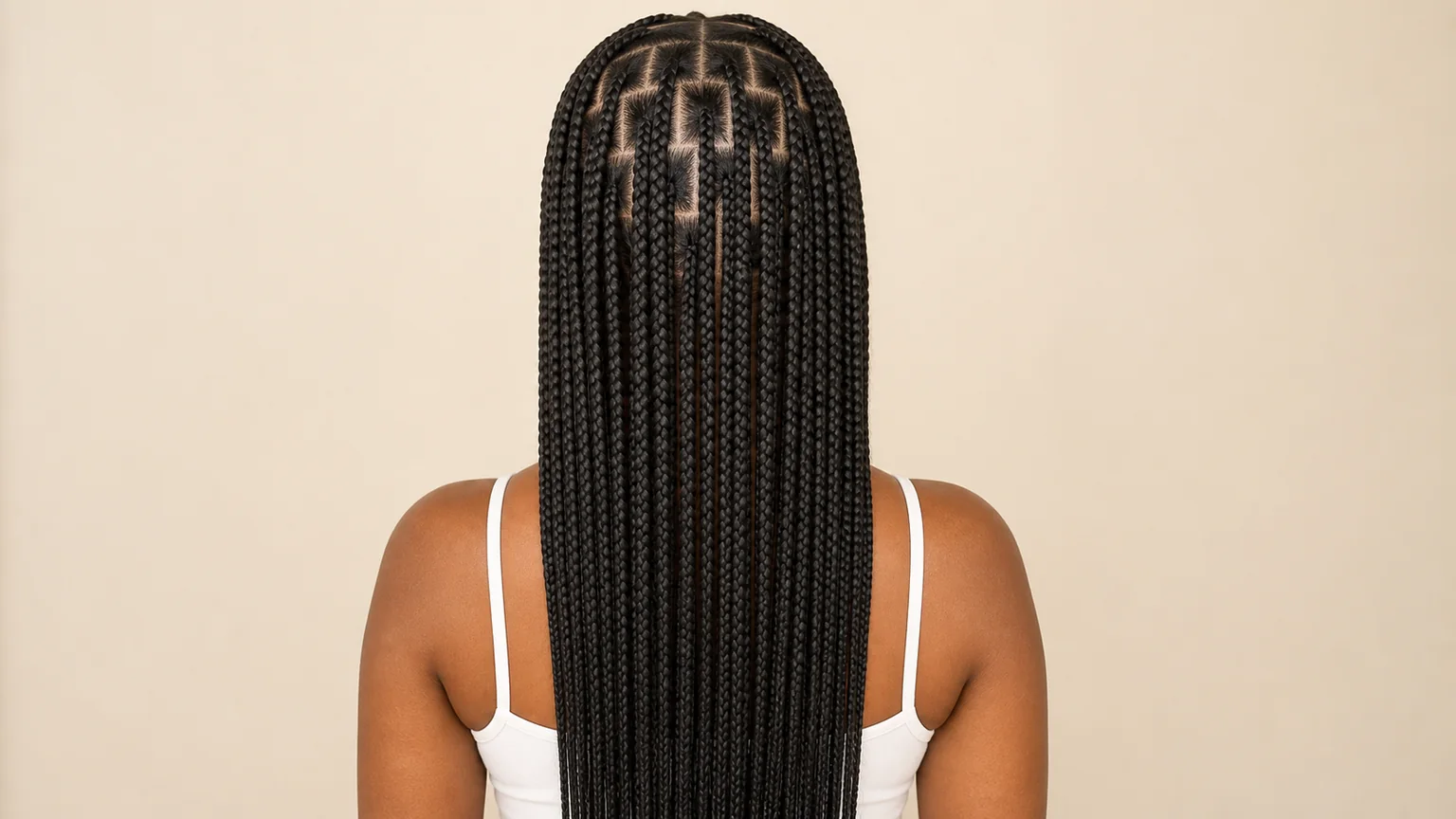
Knotless Box Braids (The Classic Base Style)
These are the foundation every other style on this list builds from, since a neutral box parting pattern with no added color, beads, or curl is the easiest to describe to a braider. It is also the easiest to restyle day to day, whether worn down, half up, or pulled into a ponytail. Nothing decorative competes for attention, so it pairs with almost any outfit or occasion.
13. Classic mid-back knotless box braids
The most requested version of knotless braids on this whole list, mainly because it is so easy to wear day to day. It is also the easiest comparison point if you have worn traditional knotted box braids before and want to notice the difference in scalp comfort. Most braiders can install this size well within a single appointment.
Who It Suits: First-time knotless wearers, and anyone who wants a style that pairs with any outfit.
What to Ask Your Braider: Classic knotless box braids, mid-back length, with a traditional box parting pattern.
Maintenance Effort: Low to medium, the best all-around choice for a first knotless install.
Chair Time: Roughly three to five hours, depending on length.
14. Knotless box braids with a deep side part
The same classic box braid, styled with a deep side part instead of a middle part. It keeps every benefit of the classic version while softening a round face shape. The deeper the part, the more dramatic the face-softening effect, so ask your braider to show you a couple of depths before she starts.
Who It Suits: Anyone who wants the classic look with a part that softens a round face.
What to Ask Your Braider: Knotless box braids, mid-back length, with a deep side part.
Maintenance Effort: Low to medium.
Chair Time: Roughly three to five hours.
For a full side-by-side look at how the two techniques compare, this guide to box braid styles worth trying in 2026 walks through the traditional knotted version in detail. It covers the same size and length decisions from the knotted side, which is useful if your braider offers both techniques. Comparing the two before booking can help you settle on a budget and a chair-time expectation.
Short and Bob-Length Knotless Braids
Shorter length means less overall pulling weight on the root, which makes this group a good option for thin or fine hair that struggles with the weight of longer extensions. It is also the fastest group to install and the lowest maintenance of any length in this roundup. All three styles below are easy to sleep in and refresh without disturbing the shape.
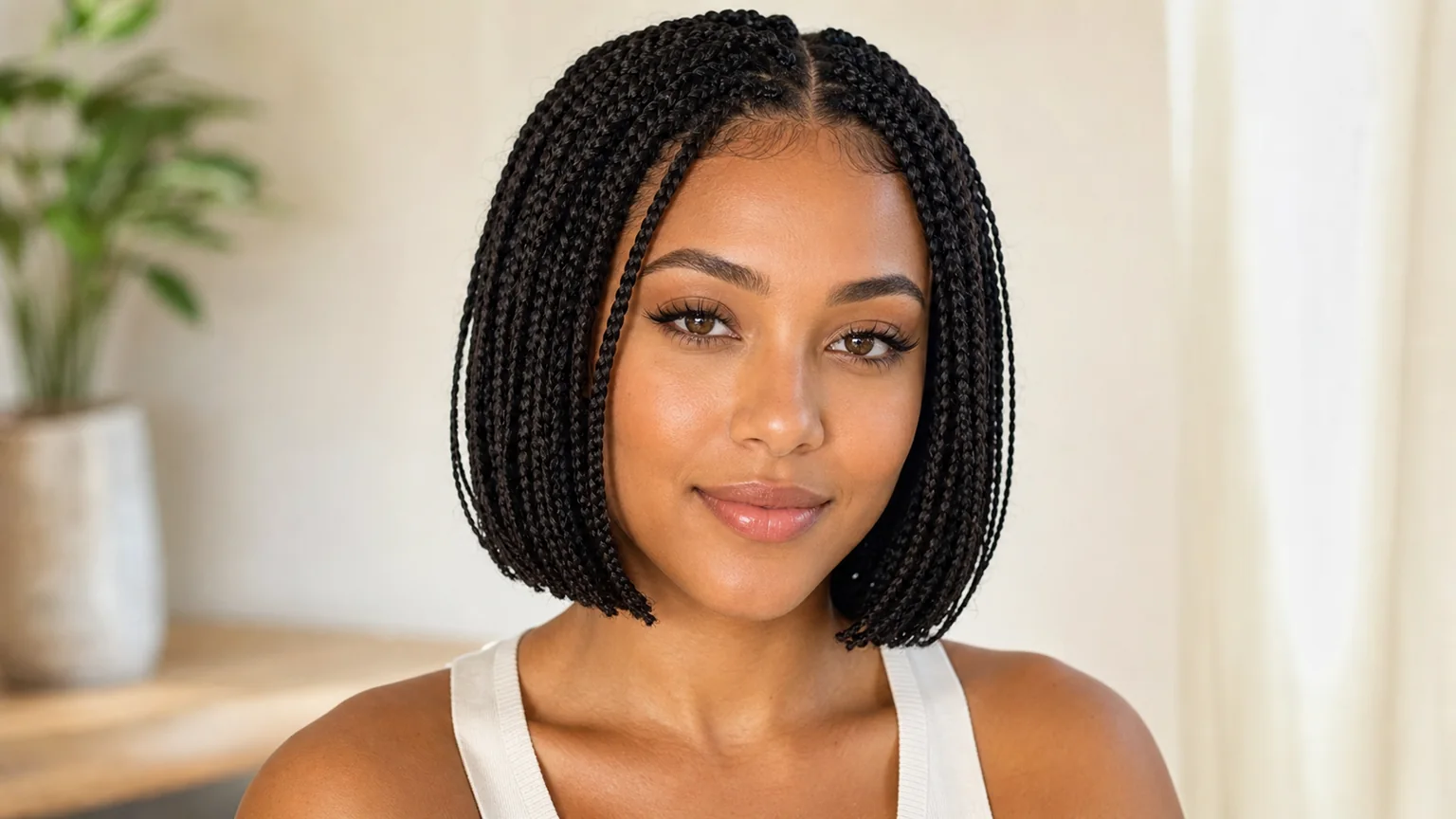
15. Chin-length knotless bob braids
The shortest, lightest option on this list, and the one most people default to on their very first knotless install. A chin-length bob softens rounder and squarer face shapes especially well, since the length grazes the jaw and draws the eye horizontally. It also styles the fastest in the morning, since there is nothing long enough to need gathering.
Who It Suits: Thin or fine hair, and rounder or squarer face shapes.
What to Ask Your Braider: Chin-length knotless bob braids.
Maintenance Effort: Low, the easiest length in this roundup to sleep in.
Chair Time: One to two hours.
16. Jaw-length knotless braids with curled ends
The same bob length as above, with the ends curled for a softer finish at the jaw. It combines the low pulling weight of a short style with a bit of the romantic texture from the bohemian styles earlier in this list. The curls sit close to the face, so they need less product to hold their shape than longer curled ends do.
Who It Suits: Anyone who wants a bob with a softer, curled finish rather than a blunt end.
What to Ask Your Braider: Jaw-length knotless braids with curled ends.
Maintenance Effort: Low to medium; the curled ends need occasional refreshing more than a straight bob does.
Chair Time: One to two hours, plus curling time.
17. Short knotless braids in a bob with bangs
A chin-length bob paired with a face-framing fringe left slightly looser at the front. The bangs add extra softening around the forehead on top of everything the bob length already does for a round or square face. Ask your braider to leave the front section a touch longer than the rest, since bangs are easier to trim shorter later than to add back.
Who It Suits: Anyone who wants bangs to soften the forehead alongside a bob-length install.
What to Ask Your Braider: Chin-length knotless bob braids with a face-framing fringe left slightly looser at the front.
Maintenance Effort: Low; the bangs section needs occasional edge control between washes.
Chair Time: One to two hours.
For more guidance on matching braid length to your face shape, this breakdown of the best haircut for every face shape covers which lengths flatter which shapes. The same principles that apply to haircuts carry over to braid length and part placement. Reading through it before your appointment can help you describe what you want more precisely.
Knotless Braids Updo, Bun, and Ponytail Styles
These three styles show how far one install can stretch across different occasions without needing a fresh set. One detail matters for all three: your braids need a few extra inches beyond the finished length, so mention your styling plans to your braider at booking. Switching between all three across a single install is part of what makes knotless braids such a practical protective style.
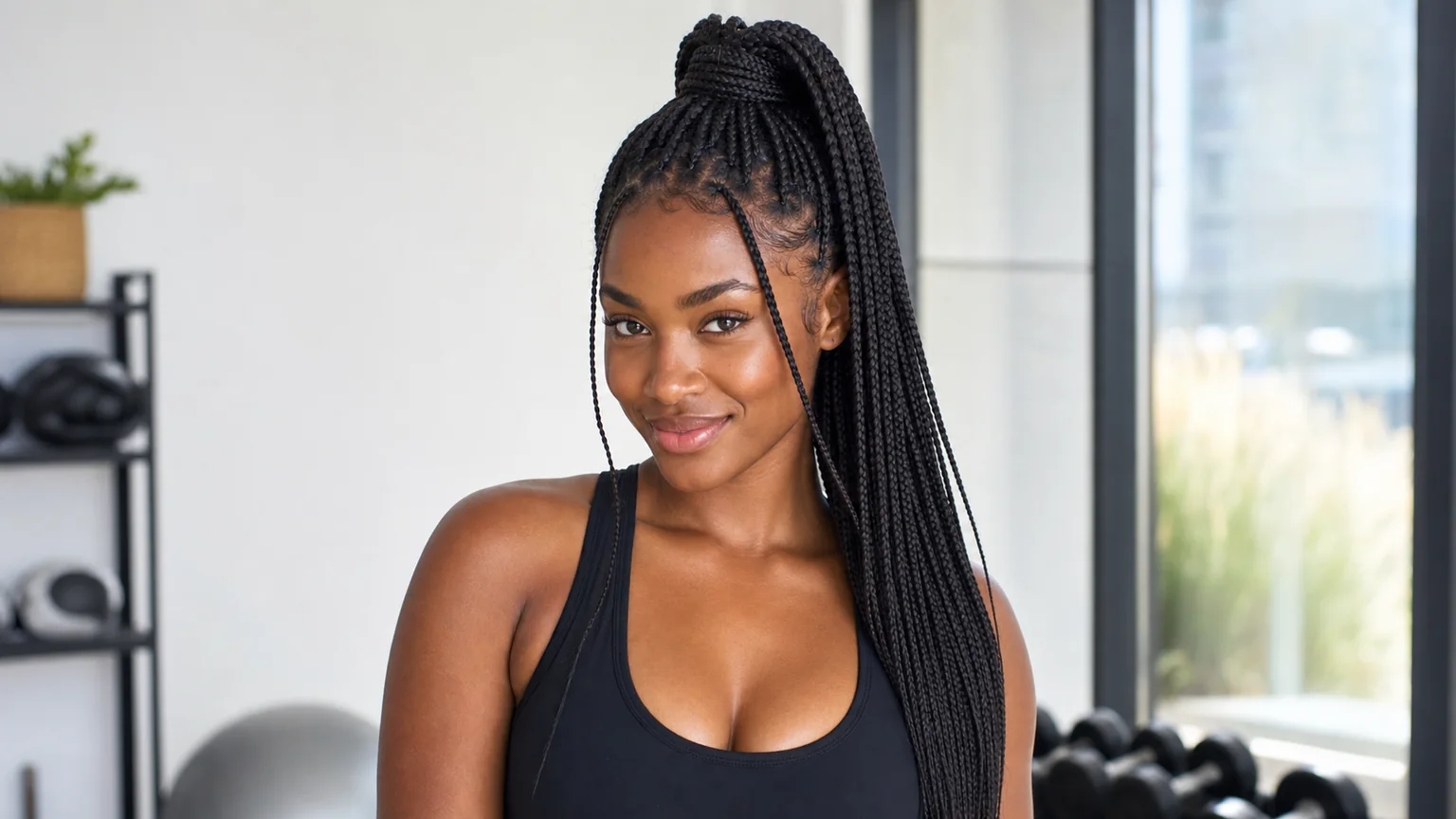
18. High knotless braids ponytail
The go-to style for the gym or a summer afternoon when you want the braids fully off your neck. A secure high ponytail generally needs shoulder-length braids or longer, since anything shorter will not gather comfortably without slipping loose during the day. A tight elastic placed at the crown, not partway up, keeps the ponytail from sagging by the afternoon.
Who It Suits: Active lifestyles, and anyone who wants braids fully off the neck.
What to Ask Your Braider: Enough extra length for a secure high ponytail, generally shoulder-length or longer.
Maintenance Effort: Low.
Chair Time: Same as the base size and length chosen.
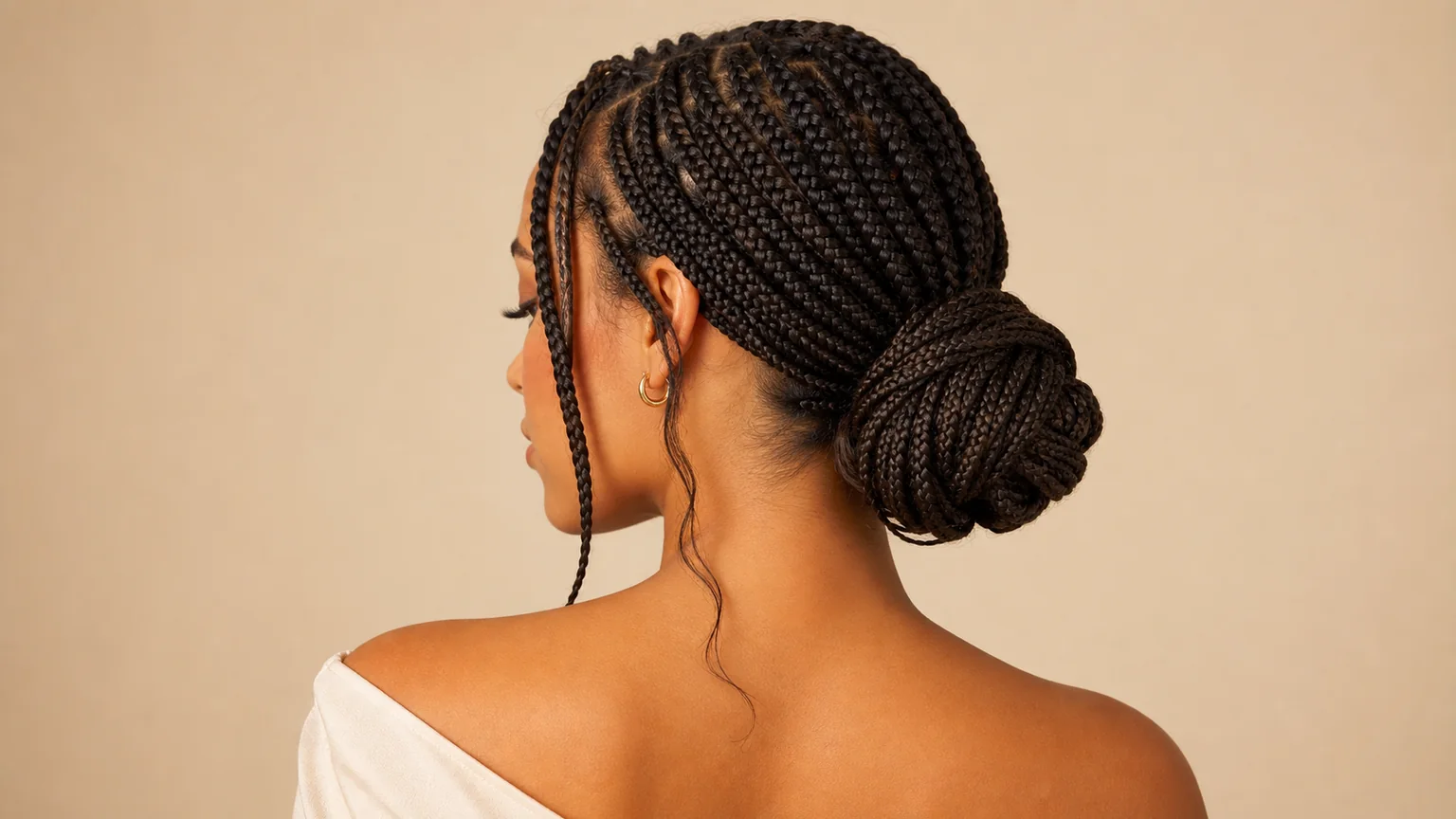
19. Low braided bun
A neat, controlled updo that reads polished enough for an office or a formal setting where you need something buttoned-up. A few loose face-framing pieces can soften the look without undoing how put-together it reads. It also puts the least amount of tension on the braids of any style in this section, since nothing is pulled tightly upward.
Who It Suits: Office or formal settings that need something neat and controlled.
What to Ask Your Braider: Enough length to gather into a low bun at the nape, with a few face-framing pieces left loose if wanted.
Maintenance Effort: Low.
Chair Time: Same as the base size and length chosen.
20. Half-up knotless braids with face-framing pieces
A middle ground between wearing braids fully down and a full updo, with a few pieces pulled loose around the face. It works well for everyday wear or a casual event where a high ponytail or bun would feel like too much. This is also an easy style to adjust throughout the day, since gathering more or less hair changes the look without redoing anything.
Who It Suits: Everyday wear or a casual event where a full updo feels like too much.
What to Ask Your Braider: A half-up style with a few face-framing pieces left loose at the crown.
Maintenance Effort: Low.
Chair Time: Same as the base size and length chosen.
How to Maintain Knotless Braids
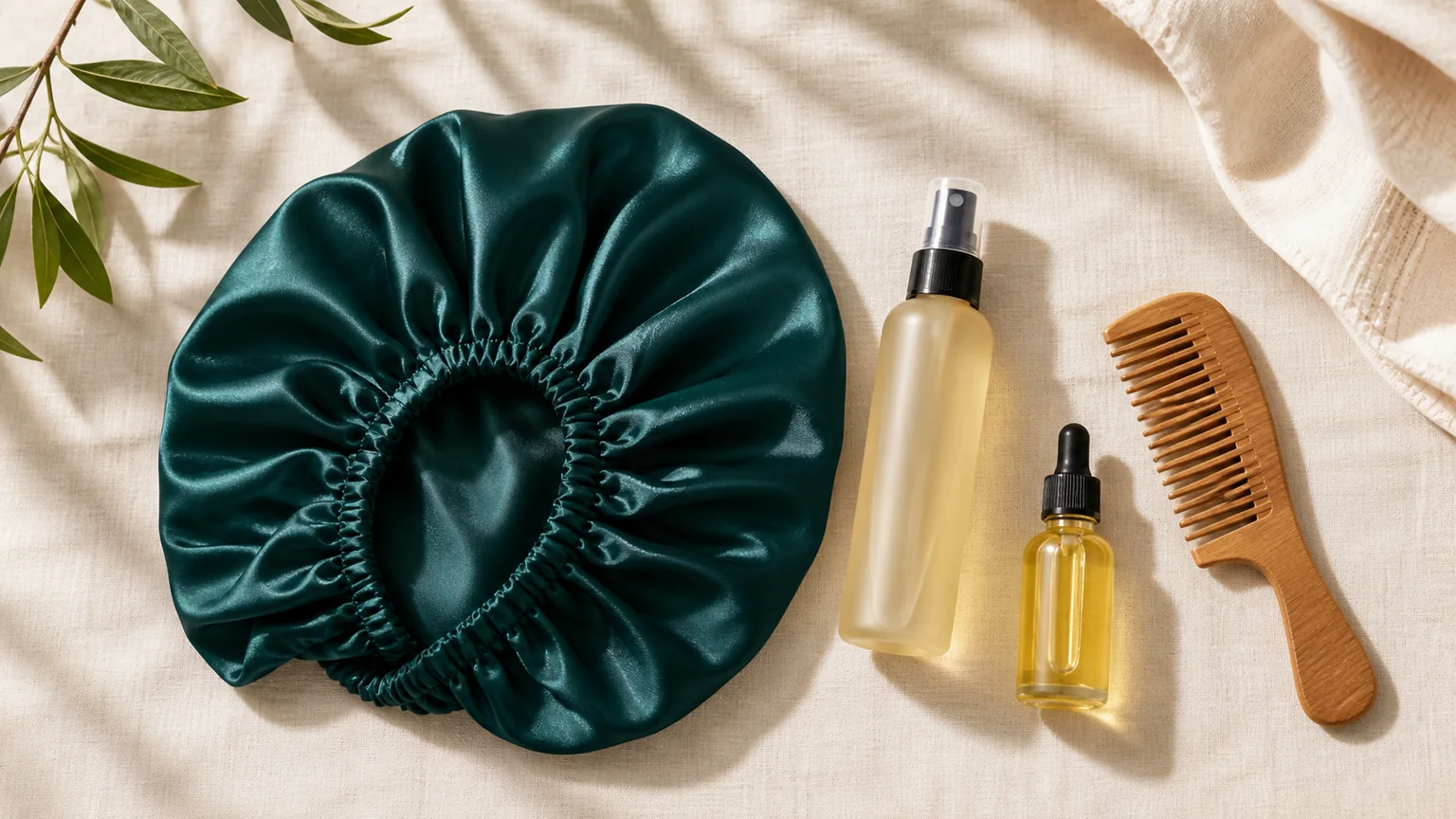
Getting a great install is only half the equation, since the routine you follow at home decides whether your braids look fresh in week four or tired by week two. A satin or silk bonnet worn every night is the single most effective habit for reducing frizz, and a little diluted oil on the scalp a couple times a week keeps things from drying out. Braids should always feel snug rather than painful, and the American Academy of Dermatology notes that persistent pain or small bumps along the hairline can signal a style installed too tightly.
Frequently Asked Questions About Knotless Braids
How long do knotless braids last, and does size affect it? Most styles last four to six weeks with consistent nightly care and light scalp maintenance. Smaller braids tend to hold their shape a bit longer than jumbo sizes, since there is less individual braid weight working against the twist over time. The tradeoff is that smaller sizes take longer and cost more to install in the first place.
Do knotless braids hurt less than regular box braids? Generally yes, since there is no knot pulling on the hair from the very first section. That said, any braid, knotless or knotted, can still cause discomfort if it is installed too tightly. Comfort ultimately depends as much on your braider's tension technique as it does on the method itself.
Are knotless braids good for thin or fine hair? Yes, and this is one of the clearest advantages of the technique for fine hair specifically. Smaller to medium braid sizes distribute the weight of the extension hair more evenly across more sections, which reduces the pulling force on any single strand. Fine-haired readers generally get the most comfortable, longest-lasting results by sticking to those sizes rather than jumbo.
How do you sleep in knotless braids? Wrapping your braids in a satin or silk scarf or bonnet before bed is the easiest and most effective habit for protecting them overnight. Some people also gather their braids loosely into a low pineapple at the crown to reduce friction against the pillow even further. Either method cuts down noticeably on frizz and helps the braids stay smooth for longer between touch-ups.
Knotless braids styles give you a wide range of ways to protect your hair without sacrificing style, whether you want the low-maintenance ease of a bob or the standout detail of a beaded, colored set. Pick the size, length, and finish that matches your hair density and face shape, then bring the exact salon wording from this guide to your next appointment. Screenshot the entries that speak to you so you walk in with total confidence about what you are asking for.
Types of Knotless Braids
Finding the right types of knotless braids starts with knowing your hair texture and how much styling time you realistically have. The cuts that look best long-term are the ones designed around your specific hair behavior, not just the aesthetic in a photo. Bring two or three reference images to your stylist and ask which elements of each they can adapt to your texture.
For more on keeping the style fresh between salon visits, our braid maintenance tips cover the products worth the money.
Your email address will not be published. Required fields are marked *