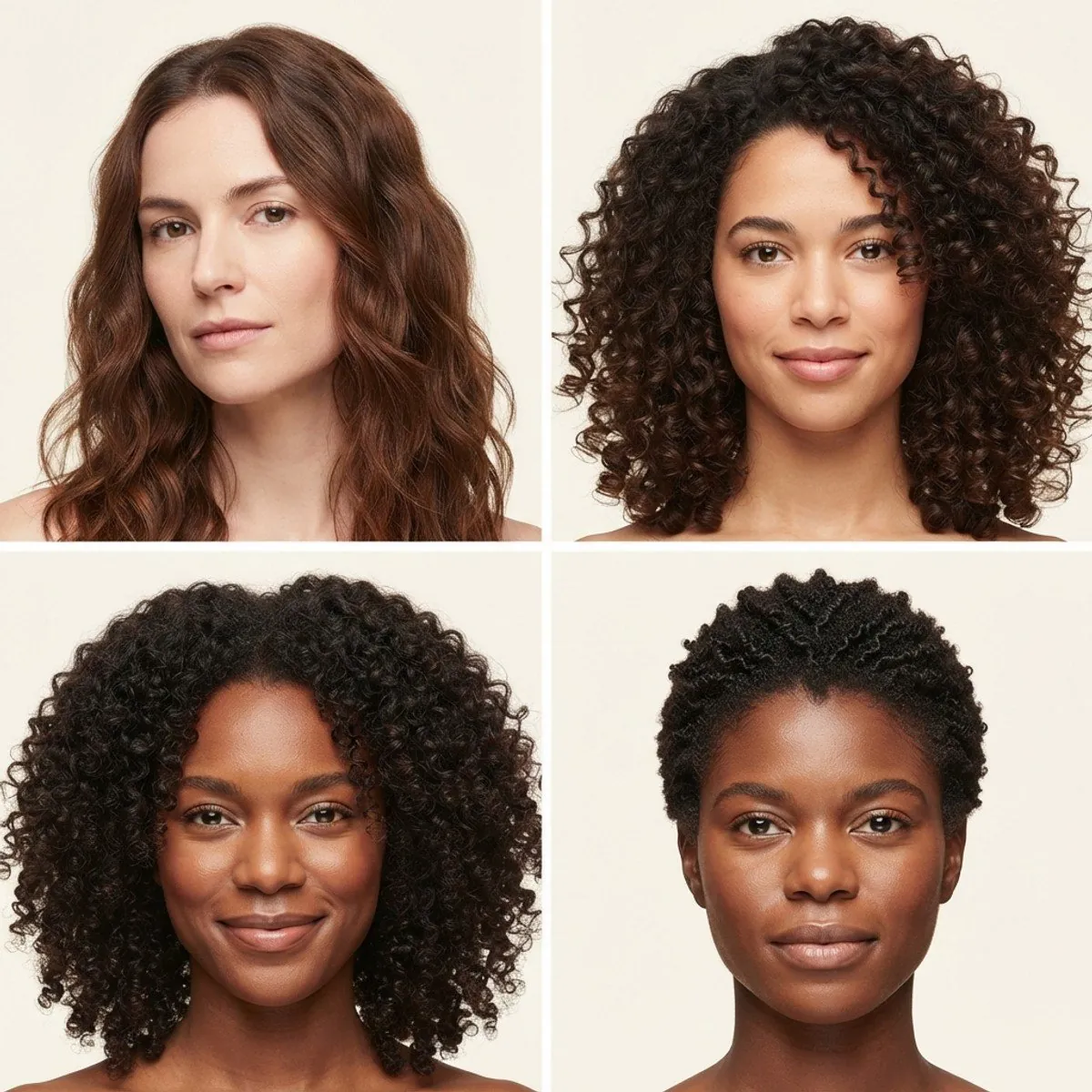
Short curly haircuts belong on a different kind of list than the usual gallery of 20 photos with no context. Every curl type behaves differently when cut short, and a style that looks effortless on 3B spirals can fall completely flat on 2A waves. This guide organizes all 50 short curly hairstyles by curl type so you can skip directly to the cuts that will actually work on your texture and walk into the salon with a clear plan.
The table below shows where each curl type lands. If you’re unsure of yours, the quick rule: 2A and 2B hair falls in a loose S-shape, 3A and 3B curls spring into defined ringlets, and 3C through 4C hair forms tight coils or zig-zag patterns with the most shrinkage of any type.
| Curl Type | Description | Jump to |
|---|---|---|
| 2A / 2B | Loose S-waves, slight frizz | Section 2 |
| 3A / 3B | Defined ringlets to bouncy spirals | Section 3 |
| 3C / 4A / 4B / 4C | Tight coils to zig-zag coils | Section 4 |
| Any curl type | Versatile cuts that work everywhere | Section 5 |
How to Choose a Short Curly Haircut for Your Curl Type and Face Shape
What Is Your Curl Type?
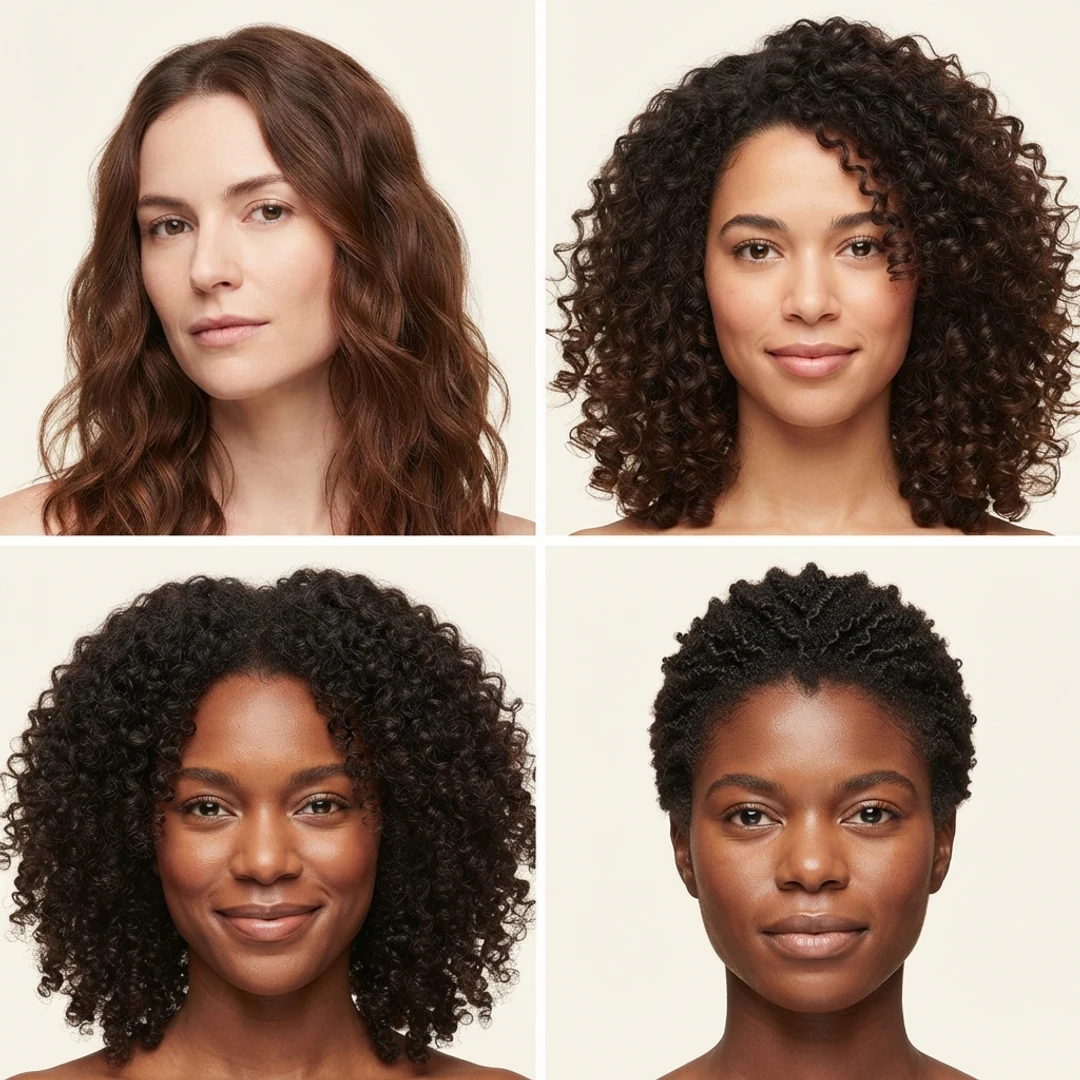
The curl type scale runs from 2A (fine, loose waves) to 4C (tightly coiled zig-zag texture), and it matters more for haircut selection than almost any other factor. Different textures behave completely differently when cut short. A pixie that looks stunning on a 3B spiral can look flat on a 2A wave because the two textures have almost nothing in common structurally. Knowing your curl type before booking takes less than a minute and can save you months of growing out a cut that was never suited to your hair. If you’re still unsure, NaturallyCurly.com has a photo-based curl type finder that uses the same 2A–4C scale and can help you confirm your pattern in minutes.
Does Face Shape Matter for Curly Hair?
Yes, but not as much as most guides suggest. The real variable is volume: curly hair adds fullness at the widest point of the cut, and you can use that to your advantage. For round faces, look for height at the crown (tapered pixie, curly pompadour) rather than width at the sides. For square faces, face-framing layers or curtain bangs soften angular jawlines. For oval faces, almost every style on this list will work.
The Shrinkage Factor: How Much Shorter Will It Look?
Shrinkage is the most important variable nobody talks about before a first short curly haircut. Natural curls can spring up anywhere from 10 to 75 percent of their actual length depending on how tight the pattern is, meaning wet measurements and dry results can differ by several inches. Share this with your stylist before they pick up the scissors: if you want the finished cut to sit at chin length, ask to have it cut one to two inches longer while your hair is still wet.
Best Short Curly Haircuts for Wavy Hair (Curl Types 2A and 2B)
Wavy hair at 2A and 2B is often dismissed as “not quite curly enough,” but the right short cut can make loose waves look just as intentional as defined ringlets. Good news on shrinkage: 2A and 2B waves typically spring up only 10 to 20 percent when dry, so the wet length is very close to what you’ll actually have.
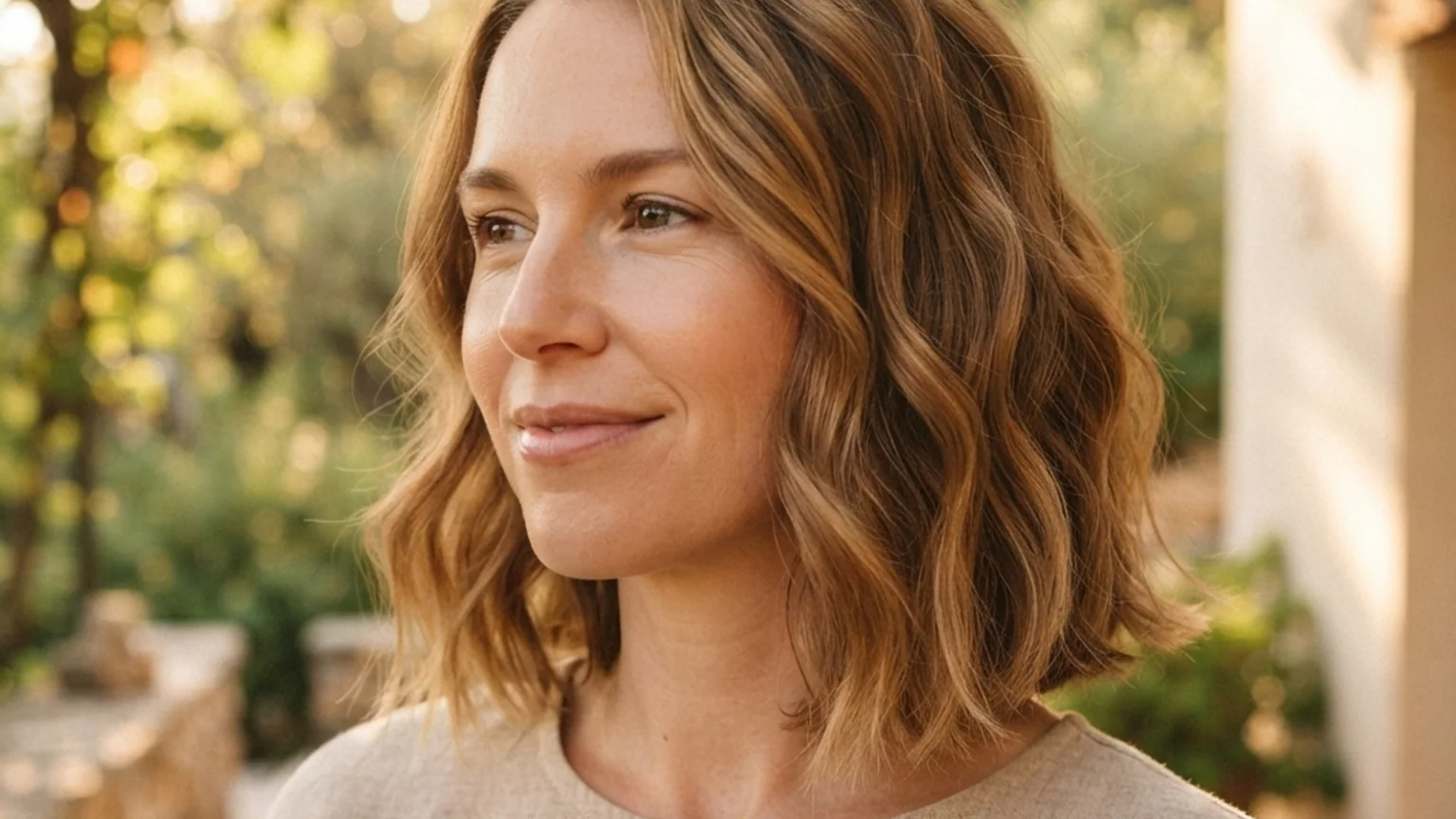
1. French Bob
The French bob sits just below the jawline with a blunt or gently curved weight line. For 2A waves, that clean perimeter gives loose waves the shape they naturally lack on their own, without weighing them down with extra length below the collarbone. It air-dries beautifully with minimal product. At the salon, specify that you want the finished length to fall at the jaw once the hair is fully dry, not when it’s freshly cut wet.
2. Textured Lob
A textured lob (long bob) lands at or just above the shoulder. For 2B waves with natural volume, it’s the easiest way to go shorter without fully committing to a bob. Specify internal layers rather than a blunt one-length cut: internal layers create movement at the ends and keep the wave from losing its bounce as the hair grows out. This is the right first step if you want to test shorter hair before deciding whether to go even shorter at your next appointment.
3. Layered Wavy Bob
A layered bob for wavy hair hits between chin and collarbone, using internal layers to reduce bulk without touching the perimeter. The layering strategy matters here: exterior or surface layers on 2A waves make the hair look thin and shapeless, while internal layers preserve the weight line and let individual waves separate and move freely. An especially strong option for 2B hair that tends to puff at the sides rather than fall in clean, defined waves. If you want more layered options across different curl patterns and lengths, our layered curly cuts roundup covers ten more.
4. Shaggy Curtain Bangs Bob
The shaggy bob with curtain bangs is having a moment, and for 2B waves, it earns it. The curtain fringe softens the forehead without any flat iron work, and the shag’s face-framing layers channel wave movement forward to create natural shape without heat. Go in asking for curtain bangs cut at the eyebrow with a center part, and let your waves develop the rest of the look on their own.
5. Blunt Chin-Length Bob
For 2A waves that are fine or sparse, a blunt chin-length bob adds definition by keeping all the hair’s weight on one clean line instead of distributing it through layers the hair may not have enough density to support. It creates the appearance of fuller, more voluminous waves, and because 2A hair has a looser pattern, the clean perimeter gives the style structure that layering sometimes cannot. Low maintenance, polished, no complicated routine required.
6. Bixie with Waves
The bixie lands somewhere between a bob and a pixie, at ear to jaw length with softer lines than a classic pixie. For 2B waves, this length is long enough to let the S-pattern develop fully while short enough to create noticeable volume and a defined shape. It grows out more gracefully than almost any short curly haircut, making it a strong choice if you want to go significantly shorter but aren’t fully committed yet.
7. Side-Parted Angled Bob
An angled bob is longer in the front and shorter in the back, and the side part is what makes this style work for 2A waves. The length differential guides wave movement forward toward the face, and the asymmetry keeps the style looking intentional as the waves soften throughout the day. A reliable option for oval and square face shapes because the angled front line draws attention toward the cheekbones.
8. Wispy Textured Pixie
For 2B waves with enough natural body to hold a very short cut’s shape once dry, this is the bold move in this section. Request a textured pixie rather than a classic close-cropped version: textured means point-cut ends and at least two inches of length at the top to show wave movement, with shorter, tighter sides. On wet hair, apply a lightweight curl cream and let the waves define themselves without a diffuser.
9. Wavy Shag with Fringe
The wavy shag pairs heavy layers with a fringe across the forehead. For 2A to 2B waves, this creates a lived-in look that actually gets better as the cut grows out. The fringe doesn’t need to be precise: a curtain version or wispy brow-length fringe both work with loose waves and need minimal morning effort. Ask for face-framing layers that are at least two inches shorter than the longest layer at the back of the crown.
10. Beachy Bob with Side Part
The beachy bob is defined by its natural, undone texture and sits between chin and collarbone with soft, bend-in-the-end layers rather than rigid curl formation. A side part at the temples activates the natural wave direction and creates a flattering asymmetry without heat tools. It looks put-together but takes under two minutes to style in the morning, which makes it the right everyday option for 2A waves.
11. Chin-Length Ringlet Bob
If your 2B waves lean toward the more defined side, closer to loose ringlets, a chin-length bob right at the jawbone will show off the wave pattern while adding a clean, structured perimeter. Ask your stylist to look at your wave pattern in its fully dry, natural state before making any length decisions, since even 2B shrinkage can be noticeable enough to affect the finished result. The difference between a wet and dry cut at this level can still account for up to a half inch of visible length.
12. Wavy Layered Pixie Lob
The pixie lob lands between a traditional pixie and a full lob at the nape of the neck, with soft face-framing layers at the front. For 2A waves, this in-between length is flattering because it gives the waves enough room to form while keeping the overall silhouette compact and easy to manage. It grows through every stage gracefully and suits women who want to experience short hair without committing to anything that requires a full style overhaul to change.
Best Short Curly Haircuts for Loose and Springy Curls (Curl Types 3A and 3B)
Defined spirals at 3A and 3B hold a short haircut’s shape without daily effort. These textures have enough structure for both precision cuts and casual, layered styles, making them the most versatile curl range on the list. One shrinkage note worth sharing at your appointment: 3A to 3B curls typically spring up 25 to 40 percent when dry, so ask your stylist to cut at least one inch longer than your desired dry length while your hair is still wet.
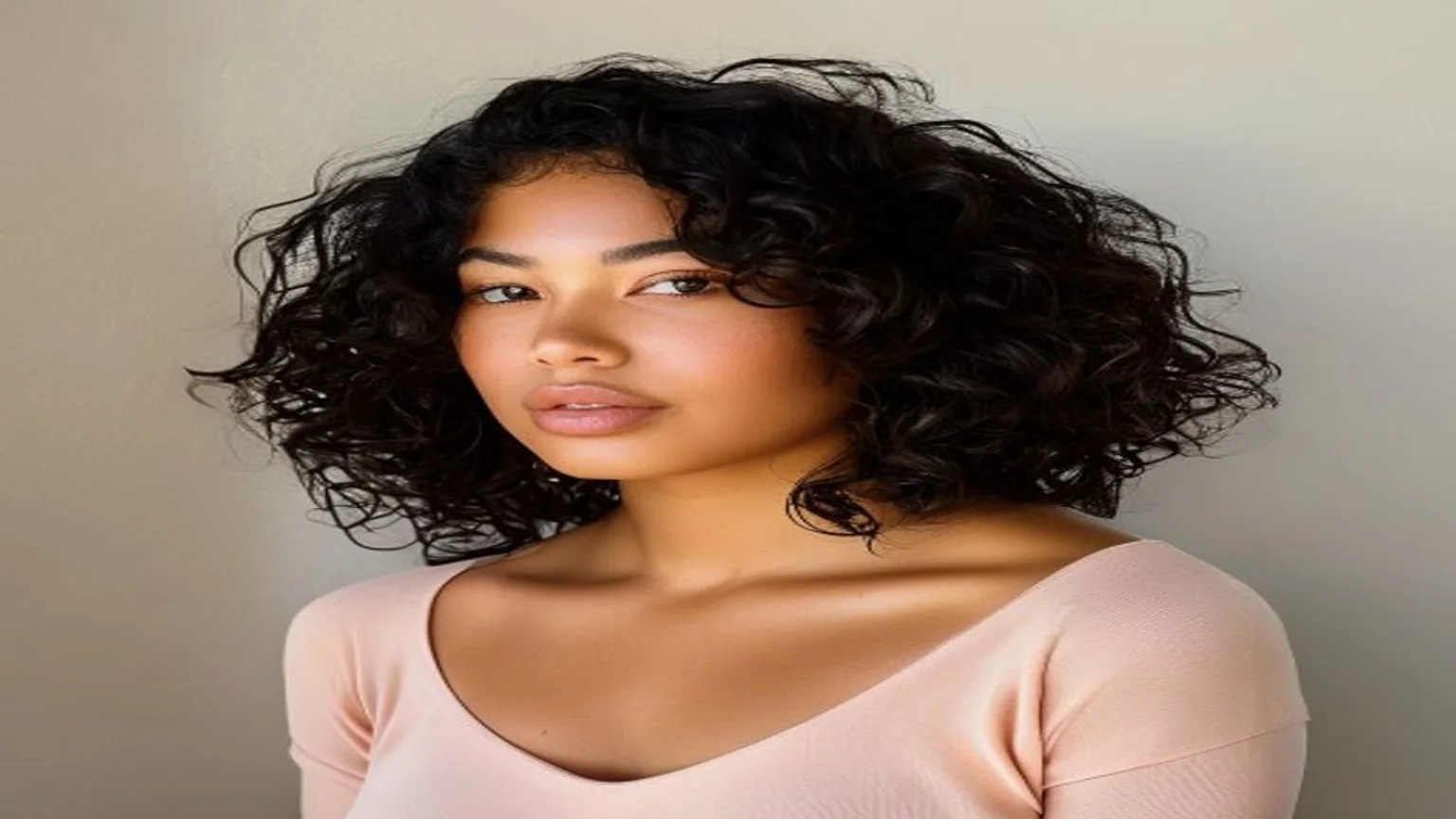
13. Curly Pixie Cut
Defined spirals hold a pixie’s shape better than almost any other curl type. The curls bounce back into place naturally after sleeping, and the cut requires very little daily manipulation to look polished and intentional. Request a curly-specific pixie that leaves at least one and a half inches on top: anything shorter on a 3B curl pattern will result in densely packed curls close to the scalp that may not match the reference photo you bring to the appointment.
14. Curly Bob
The curly bob is the most-searched short curly haircut for a reason: it sits at chin to jaw length, works for almost every face shape, and the curl pattern gives a classic bob a texture and movement no straight-haired version can replicate. For 3B curls, ask for a rounded bob shape rather than a blunt weight line, since the rounded base allows the curls to cascade naturally without pushing outward at the sides. Layers within the bob are optional for thinner 3A hair but highly recommended for thick 3B hair that might otherwise create too much volume at the ends.
15. Inverted Bob for Curly Hair
An inverted bob is shorter in the back and gradually longer toward the front. This angle channels curl movement forward and prevents the back from becoming top-heavy and wide on 3A to 3B curls. The stacking at the nape adds crown volume and gives the silhouette a lifted look from all angles, including from behind. It also grows out more gracefully than a standard bob because the graduated length creates a natural transition as the hair gets longer.
16. Curly Shag with Curtain Bangs
The curly shag is one of the most requested styles of 2026, and 3B spirals are what it was made for. Heavy layers throughout the length, curtain bangs, and a slightly longer back all work together to create movement and dimension that shows off 3B curl clusters instead of flattening them. Ask for long layers from the crown down with a curtain fringe at the eyebrow, and request that the layers be cut on dry, curly hair rather than on wet, stretched sections.
17. Tapered Curly Cut
A tapered cut is close at the nape and fuller at the crown. For 3A to 3B curls, this shape creates a silhouette that works for nearly every face shape including round, because the taper at the sides draws attention upward rather than outward and visually lengthens the face. Particularly good for women with thick 3B hair who want a short cut that removes bulk without losing the visual impact of their natural curl volume.
18. Short Layered Curly Cut
This cut distributes layers evenly throughout the hair rather than concentrating them only at the ends, and the result lightens thick 3A to 3B hair while helping define individual curl clusters. Tell your stylist you want “layers throughout, not just at the ends,” and specify that each layer should follow your natural curl formation rather than being cut straight across sections. An especially strong option for high-density 3B hair that loses definition when it gets heavy.
19. Curly Asymmetrical Bob
One side noticeably shorter than the other, and on 3A to 3B curls, the asymmetry creates visual interest without requiring any daily styling to maintain. The curl pattern emphasizes the length difference naturally, and because the curls spring upward on both sides, the asymmetry reads as intentional rather than uneven or unfinished. Works best on a consistent, defined curl pattern that holds its shape well as the hair grows between trims.
20. Curly Pompadour
Five to six inches of height and volume at the crown with shorter sides. On 3B spirals, the crown curls become the focal point, and the shorter sides (anywhere from a soft taper to a more defined fade) create contrast that makes the crown volume look deliberately shaped rather than accidental. This is the most styling-intensive option in this section: the crown curls need to be diffused and shaped each wash day for the best results.
21. Curly Bob with Micro Bangs
Micro bangs sit above the eyebrows, and for 3A curls without heavy shrinkage at the front hairline, they give a classic curly bob an editorial quality that sets it apart from more conventional options. This style requires more commitment than a curtain fringe because micro bangs need regular trims and can be harder to grow out if you change your mind. For loose 3A ringlets at the front, the bangs can sit flat enough against the forehead to look clean and intentional rather than frizzy.
22. Curly Lob
The most conservative entry point into shorter curly hair: at or just above the shoulder, with enough length to feel familiar while showing off the spring and bounce of 3A to 3B curls. Choose this if you’re going significantly shorter for the first time and want to confirm you love short curly hair before committing to a bob or pixie. It grows out gracefully and requires minimal adjustment at each trim.
23. Short Ringlet Cut
Specifically designed for 3B hair with uniform, defined ringlets: just above the collarbone with minimal layering, so the ringlets hang in their natural formation without disruption. This style is about showcasing the curl pattern rather than creating volume or shape through the cut itself, and it works best when the pattern is consistent from root to tip without significant surface frizz. Apply a curl-defining gel after washing and scrunch out the cast once the hair is fully dry for the sharpest ringlet definition.
24. Short Curly Cut with Bangs
Any style of bangs on a short curly cut (straight, side-swept, curtain, or fringe) is face-flattering for 3A to 3B curls, particularly for women who want a new feature without committing to a dramatically different cut length. Curly bangs have natural movement and rarely need heat to look intentional day to day. Always ask for the bangs to be cut dry so your stylist can see exactly where each curl falls naturally before any length decisions are finalized.
25. Defined Ringlet Pixie
Tailored specifically for 3B hair with very springy ringlets: short throughout but with at least two inches at the crown to let the ringlets form fully without being compressed. The sides and nape are kept closer to create contrast against the ringlet crown, and the result is striking. Keep in mind that this length requires consistent moisturizing and curl-defining products applied on every wash day to maintain the style.
Best Short Curly Haircuts for Tight Curls and Coils (Curl Types 3C, 4A, 4B, and 4C)
Tight coils have the most shrinkage of any curl type and also the most style flexibility once you work with the texture rather than against it. These cuts work for hair that forms tight spirals (3C), uniform S-coils (4A), tight zig-zag patterns (4B), or densely packed zig-zag coils (4C). One number to know before you book: 4B to 4C hair can shrink up to 75 percent, meaning a cut that appears four inches long on wet hair may look like one to two inches once it’s fully dry. Always ask your stylist to assess your specific shrinkage percentage first and strongly request a dry cut or at minimum a dry assessment before any cutting begins.
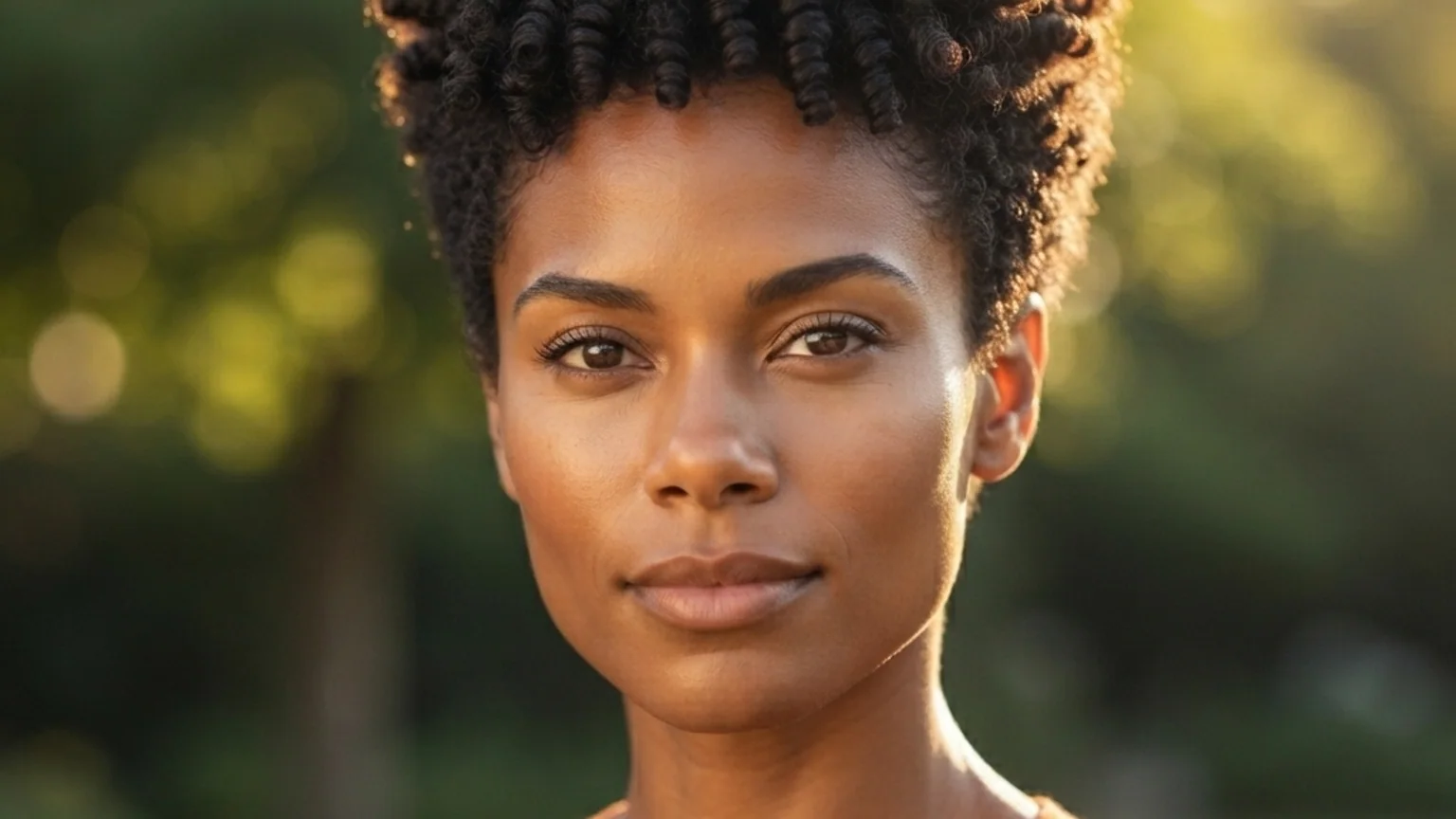
26. TWA (Teeny Weenie Afro)
A one to two inch crop that fully embraces tight 4A to 4C coils. For anyone transitioning away from chemical relaxers or heat damage, this is the most liberating cut on this list. The first two to three months can feel awkward as the curl pattern defines itself and the overall shape becomes less uniform. That’s completely normal. Keep it moisturized, trim the ends every six to eight weeks, and resist the urge to manipulate the coils while they’re still developing their natural pattern.
27. Tapered Afro
Full and natural at the crown, tapering closer at the sides and nape. This shape is universally flattering across all coil types from 3C through 4C and looks polished enough for professional environments without any chemical processes or heat tools. Regular shape-ups every four to six weeks at the nape and sides are all the upkeep this cut needs between full appointments.
28. Curly Pixie for Tight Coils
Genuinely stunning on 3C to 4A coils, but only with a stylist who is experienced in cutting natural coily hair in its dry state rather than after straightening. The coils at the top and sides need to be cut at a length that allows the curl pattern to form fully, since cutting too short can result in a look that reads as a very close TWA rather than a distinct pixie with visible structure. Bring reference photos of curly pixies specifically on natural coily hair, not straightened versions, so you and your stylist are working from the same visual starting point.
29. Defined Coil Bob
This is not the same haircut as a standard curly bob for looser curl types, and treating it like one is the most common mistake stylists make with natural coily hair. The coil bob is cut to a length that, when fully shrunk and defined, sits at the jaw or slightly above, relying on the coil pattern’s natural structure to hold a rounded shape. Always request this cut to be done dry so the finished length accurately reflects what you’ll see on a daily basis.
30. Rounded Natural Afro
Shaped by the stylist to create a uniform, circular silhouette around the head, and it looks beautiful on 4A to 4B hair with a consistent coil pattern. The cut is essentially a precision shape-up around the perimeter of the afro rather than a reduction in overall length, making it ideal for women who want to keep natural volume while adding a clean, intentional shape to their profile. Ask for shaping with clean lines at the perimeter without tapering the sides, which would reduce the rounded silhouette you’re after.
31. Short Natural with Curtain Bangs
On 3C to 4A coils where the curl pattern at the front hairline is loose enough to fall naturally to either side of a center part without heat, curtain bangs at eyebrow level create a soft, expressive look that reads as very current. The rest of the coils stay full at the crown and sides, and the bangs frame the face on both sides. This became popular across natural hair communities for good reason: it’s a low-risk addition to an existing natural style that freshens the overall look without a major haircut.
32. Wash-and-Go Tapered Cut
Built entirely around efficiency. The taper at the sides and nape reduces the styling surface area at the most time-consuming sections, which means less product, less diffusing time, and a more defined result on every wash day. The crown stays at a length that shows off the coil pattern without requiring stretching, braiding, or any overnight manipulation before styling.
33. Curly Mohawk and Faux Hawk
The most dramatic short curly haircut for 3C to 4B hair: the center strip of hair stays at full definition and height while the sides taper or shave down. The faux hawk version leaves the sides at a longer taper so you can wear it two ways: sides laid down for a more conservative silhouette, or sides pinned back to show the full center coil height. Bring reference images showing the faux hawk at its most natural and defined to avoid a more severe interpretation of the style.
34. Short Coily Bob with Cornrow Detail
Cornrows at the sides or nape protect the most fragile sections of 4A to 4B hair while maintaining a defined bob shape at the front and crown. The cornrows reduce daily manipulation at the temple and nape areas most vulnerable to breakage on natural coily hair. Ask ahead of your appointment whether your stylist handles both cutting and braiding in the same session, since some specialize in only one of the two services.
35. Natural Hair Pixie with Undercut
An undercut at the nape and sides brings the hair down to a very short length while leaving the crown coils at two to three inches. On 3C to 4A hair, that contrast between full crown and close-cut sides creates a bold, graphic silhouette. The undercut also significantly reduces bulk at the nape, making thick 4A to 4B hair feel much lighter on the sections most prone to matting or knotting. Plan for a nape trim every four to six weeks because undercut lines grow out quickly and need regular maintenance to keep their definition.
36. Cropped Natural Cut
Two to three inches throughout, relying entirely on the natural curl pattern to create texture and visual shape. For 4B to 4C hair, this length often results in a full, rounded silhouette that looks deliberately styled even without product, because the coil structure provides its own form and definition. Moisture is the single most important maintenance factor: well-hydrated 4C coils at this length look defined and healthy, while dry coils look dull and flat regardless of how well the cut is shaped.
37. Short Natural with Highlights
Color highlights on 4B to 4C coils at a short length make the curl pattern more visible and three-dimensional, because the color difference within each coil creates contrast that shows the curl pattern clearly. Warm caramel and red tones work particularly well at this texture because they complement the depth of natural dark coils without requiring the level of bleaching that platinum or blonde shades demand. Consult with a colorist experienced with natural coily hair before adding any color, since tight coil structures retain lightener differently than straight hair and are more vulnerable to damage from the process.
38. Short Coily Shag
The shag’s signature heavy layering applied to tight 3C to 4A coil textures, creating visible movement and volume differentiation between the crown and the outer layers. The layers in a coily shag need to be cut longer than in a wavy shag because shrinkage means each layer will sit significantly higher than it appears when freshly cut wet. This style works best for 3C hair with enough coil definition to maintain separation between layers after drying.
39. Textured Afro Bob
Natural coil volume creates a rounded bob silhouette without any external heat or styling structure. The cut is shaped to hit at the jaw or slightly below in its dry, natural state, and the coil pattern provides its own body to keep the bob looking full and polished rather than deflated. The lowest-maintenance cut in this section: the coil structure does most of the styling work once the shape is correctly set.
40. Short Coily Asymmetrical Bob
One side noticeably longer than the other, and on 3C to 4A hair with defined coils, the asymmetry creates a graphic, fashion-forward look with no heat required day to day. The most important conversation to have with your stylist: how the asymmetry accounts for shrinkage. The longer side may need to be cut dramatically longer than the shorter side while wet so the difference is still visible once both sides spring up when dry. Bring a reference photo of an asymmetrical bob specifically on natural coily hair so the stylist understands the visual target before beginning.
Short Curly Haircut Styles That Suit Every Curl Pattern
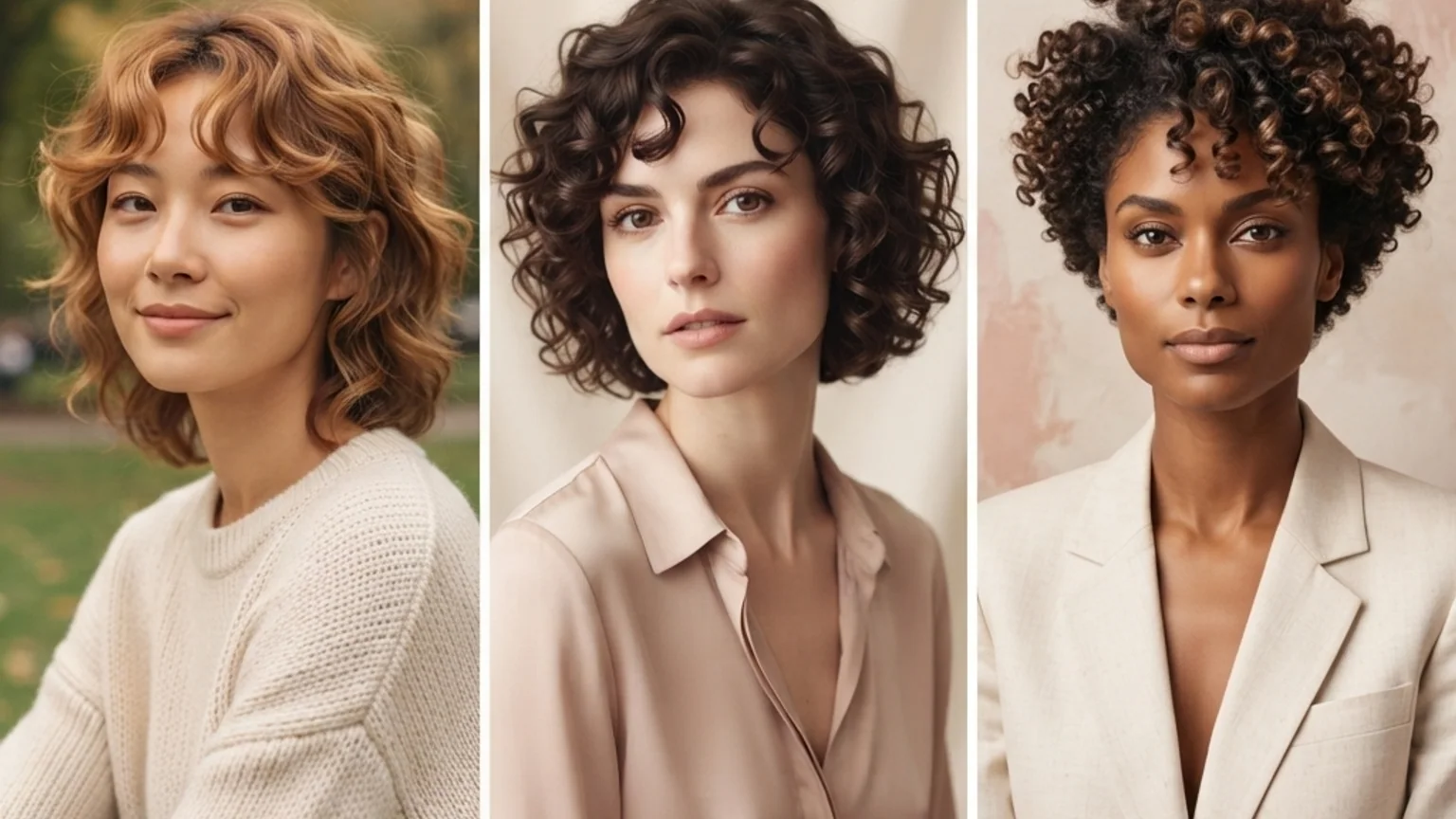
These cuts show up on clients with 2A waves and 4C coils alike and can be adapted with a few key modifications based on your specific texture. Each is a well-recognized named style that any experienced stylist will understand immediately, making them easier to request confidently. For a broader look at all lengths, our guide to short haircuts for women covers styles across every hair type. A quick modification note for each tells you exactly what to ask for based on your curl type.
| Style | Best for | Shrinkage factor |
|---|---|---|
| Curly wolf cut | 2B to 3B | Low to medium |
| Bixie cut | 2B to 3B | Low to medium |
| Short curly shag | All curl types | Varies by texture |
| Curly bob | 2A to 4A | Medium |
| Tapered afro | 3C to 4C | High |
| Curly buzz cut | All curl types | Very low |
41. Curly Wolf Cut
The curly wolf cut combines a shag’s heavy layering with a shorter front and longer back, and it’s one of the most requested short curly haircuts right now for 2B to 3B hair with enough curl definition to separate the layers and show the intentional length gradient. Request curtain bangs and face-framing layers at the front, medium-length layers throughout the sides, and the longest layers preserved at the back of the crown where the volume is most visible. For 4A to 4C coils, ask your stylist to adjust the layer lengths significantly longer to account for shrinkage so the wolf silhouette reads correctly after the coils spring up.
42. Curly Bixie Cut
The bixie lands at ear to jaw length with softer, less severe lines than a classic pixie. For 2B to 3B curls, it’s flattering and forgiving: long enough to show curl movement while short enough to create noticeable volume and a distinctive shape that stands out from more common bob or lob options. The bixie also grows out more gracefully than most short cuts. As the hair gets longer, it naturally transitions into a full bob with very little awkward in-between stage.
43. Short Curly Shag
The short curly shag adapts to every curl type with a few targeted modifications your stylist needs to know in advance. For 2A to 2B waves, ask for textured layers with a curtain fringe and wispy ends that stay light against the nape. For 3A to 3B curls, ask for defined layers cut on dry, curly hair with a longer fringe that lets the ringlets form and separate without being flattened by too-short bangs. For 3C to 4A coils, layers should follow the natural coil pattern and be cut longer to account for shrinkage, with a minimal or no fringe since coil bangs at shorter lengths can retract close to the hairline.
44. Layered Curly Lob
Sitting at or just above the shoulder, this is the most conservative short curly haircut on this list. That’s what makes it the right starting point for anyone going significantly shorter for the first time, regardless of curl type. It shows off the full curl pattern while removing the bulk and heaviness that longer curly hair develops as it grows. For all curl types, ask specifically for internal layers only: exterior layers on curly hair remove texture and create shapelessness rather than the movement you’re looking for.
45. Short Curly Bob with Bangs
This combination works across curl types from 2B through 3B with the right bang style for each texture, and it’s one of the most versatile pairings in the short curly hair category. Have the bangs cut last in the appointment and evaluated dry so your stylist can see exactly where each curl falls naturally at the front hairline. For 4A to 4C coils, have an open conversation about whether a fringe is workable for your specific coil pattern before committing, since very tight coils at the front may not fall forward in the way a traditional bang requires.
46. Curly Inverted Bob
Stacked shorter at the nape and gradually longer toward the front, this angle channels curl movement forward and prevents the back sections from becoming top-heavy and wide on any curl type. The stacking at the nape creates crown lift and gives the silhouette a structured look from every angle, including from behind. A reliable first short curly haircut because the front length is conservative enough to feel familiar even for women who haven’t worn their hair short before.
47. Curly Buzz Cut
Almost all the length removed, letting the scalp and the very short curl or coil pattern speak entirely on their own. For 4A to 4C hair, this is essentially a very close TWA and suits anyone who wants the lowest possible maintenance routine with no daily product application required. For 2B to 3A hair, the buzz cut creates tight, close-cropped waves that look dramatically different from any longer curl style. The effect is sculptural once the scalp shape becomes visible.
48. Short Curly Mullet
Shorter at the front and crown, noticeably longer at the back. For 3A to 3B curls, the contrast between the two lengths creates a look that reads as genuinely current and bold in 2026. The front and crown curls need to stay short enough that they don’t create excessive volume at the top, while the back curls should remain long enough to form full spirals rather than sitting flat against the nape. A niche style for women who want something meaningfully different from the standard bob or pixie options that dominate most short curly hair galleries.
49. Curly Quiff
The front curls swept up and slightly back from the forehead, creating height at the crown that suits oval and heart-shaped faces. At least three to four inches of length at the front sections are needed to create enough volume to lift and hold the swept-back shape through the day. A lightweight curl cream or small amount of pomade applied at the roots of the front section helps maintain the lift without weighing down the spirals or making them crunchy by afternoon.
50. Short Curly Bob with Side Part
The most adaptable finish for any of the bob styles on this list: shifting the part from center to side changes the entire silhouette without requiring a new cut. For 2B to 3B curls, the side part channels curl volume to one side of the face, which is a reliable technique for balancing face shapes that are wider at the forehead or temples. For all curl types, no special cutting technique is needed, and the part can be changed or adjusted on any wash day using just your fingers and a small amount of curl cream at the root.
How to Style Short Curly Hair Without Heat
Short curly haircuts look their best when air-dried or diffused on low heat, and learning a no-heat routine is the single most impactful change you can make for curl definition and overall hair health. If you want to see how these techniques translate into seasonal looks, our roundup of summer hairstyles for curly hair is a natural next stop. Every step below is about working with your curl pattern rather than manipulating it into a shape it doesn’t naturally want to hold.
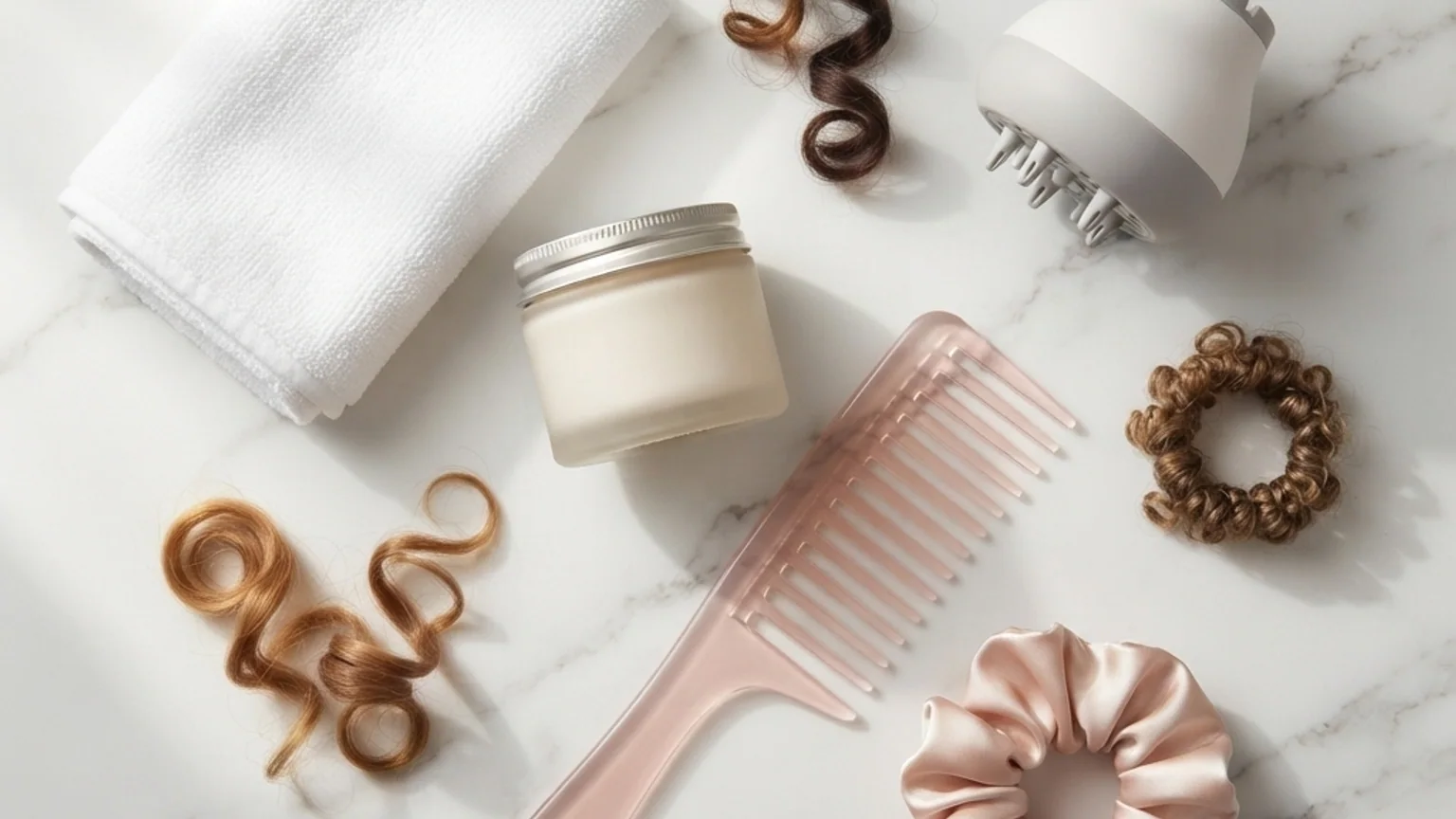
The No-Heat Styling Routine (Step-by-Step)
- Apply a curl-defining cream or leave-in conditioner to soaking-wet hair before stepping out of the shower.
- Use the prayer hands method (press both palms around a section of curls and smooth downward) or scrunch the product upward from the ends toward the roots.
- Plop the hair in a microfiber towel or a soft cotton t-shirt for 15 to 20 minutes to absorb excess water without disrupting the curl formation.
- Air-dry completely or use a diffuser on the lowest heat and airflow setting to speed up drying without creating frizz.
- Once the hair is fully dry, gently scrunch out any crunch or cast left by styling products to reveal soft, defined curls underneath.
This five-step routine works for curl types 2B through 4B and removes most of the daily decision-making from styling short curly hair. Resist touching or scrunching the curls while they’re still damp. Manipulation mid-dry is the primary cause of frizz across all curl types and at every length.
Products That Make No-Heat Styling Work
The product lineup is simpler than most tutorials suggest: a leave-in conditioner to seal moisture into each curl, a lightweight curl cream or gel for hold and definition, and a microfiber towel to absorb water without the friction of a regular terrycloth towel. Beyond those three, everything else is personal preference and texture-dependent. If you are heading into warmer months, our guide to cool short haircuts for this summer covers which of these styles hold up best in heat and humidity. Product weight varies by curl type: 2A to 2B waves do best with lightweight sprays and mousses, 3A to 3B curls benefit from creams and light-hold gels, and 4A to 4C coils generally need richer creams and stronger hold gels to maintain definition through a full day.
Protecting Short Curly Hair at Night
Even a short haircut needs overnight protection to keep the curl pattern intact between wash days, and the two most effective options are a satin bonnet and a satin pillowcase. For styles long enough to gather, the pineapple method works at any length from a curly lob upward: loosely collect all your curls at the very top of the head using a soft satin scrunchie, leaving them in an unsecured, loose bunch at the crown rather than a tight bun that would compress the curl pattern overnight. If the hair is too short to pineapple, a satin pillowcase works just as well and prevents the overnight friction that causes 3A to 4C curl patterns to break down and frizz before the next wash.
What to Tell Your Stylist Before You Sit Down
Knowing the name of the cut you want is only half of what you need going into a salon appointment. The language you use to describe your curl type and expectations is what determines whether the result matches your mental image. These specific phrases close the communication gap before any scissors are involved.
Describe Your Curl Type
Walk in knowing how to describe your own hair in terms a stylist can work from directly. A clear self-description sounds like: “I have 3B ringlets that shrink about 30 to 40 percent when dry, and I’m looking for a short curly haircut that shows off my natural texture rather than hiding it.” If you don’t know your specific curl type, bring a photo of your hair when it’s fully dry, clean, and without any heat styling, stretching, or heavy product applied so the stylist can assess your real starting point.
Specify the Dry Cut Request
One of the most effective things you can say at a salon appointment is: “I’d like you to assess my curl pattern and shrinkage dry before making any cutting decisions.” Many stylists default to cutting curly hair wet because it’s easier to section and manage in a wet state, but cutting wet on high-shrinkage hair (3C to 4C) can result in a finished dry length that’s dramatically shorter than what was discussed or agreed. A dry assessment before cutting means both you and the stylist can see how the curls will behave in real life before any length is removed.
Ask About the Rezo Cut (for Curly Bobs and Layered Cuts)
If you’re requesting a curly bob, shag, or any layered cut, ask whether your stylist is familiar with the Rezo Cut technique. The Rezo Cut works on each individual curl at its natural position rather than on wet or stretched sections, producing a more precise and defined shape for 3A to 4A curl types that standard wet-cut techniques rarely achieve. You don’t need to commit to the Rezo Cut specifically, but asking whether your stylist is familiar with curl-specific methods like the Rezo Cut or DevaCut tells you whether they have hands-on experience with the particular demands of cutting naturally curly hair.
Avoid These Common Miscommunications
A few phrases can protect your hair from an unintended result that takes months to correct. Never ask for “thinning” on curly hair: thinning shears can disrupt the curl pattern and create frizz rather than reducing bulk, which is the opposite of what most curly hair needs. Ask for “point cutting” or “dry cutting for texture” instead. Similarly, “just take off a little” is vague enough on high-shrinkage hair to result in several inches removed. Be specific about the exact dry length you want the finished style to sit at, and hold your fingers up at the precise point to show your stylist the amount you’re comfortable removing. Short curly haircuts give natural texture the space to be exactly what it is without heat styling, product overload, or daily effort. With the right cut for your specific curl type and a stylist who works with natural curls in their dry state, the transition to short hair is far less intimidating than it looks. Bookmark this guide to the best short haircuts for curly hair before your next appointment, and use the salon scripts above to walk in knowing exactly what to ask for.
Looking for even more ways to wear your natural texture? Our full guide to curly style ideas covers 20 looks beyond just the short lengths.
Frequently Asked Questions About Short Curly Haircuts
What is the most low-maintenance short curly haircut?
The tapered afro and the wash-and-go tapered cut are the lowest-maintenance options for coily hair types (3C to 4C). For looser curl types (2B to 3B), the textured lob and the curly bob require the fewest daily steps because the curl structure holds the shape between wash days without manipulation. For any curl type, a shorter cut with fewer layers means less product distribution and less drying time on every wash day.
How do I know which short curly haircut matches my curl type?
If your hair falls in a loose S-wave, you are likely a 2A or 2B and will suit bobs, lobs, and shags. Defined ringlets point to 3A or 3B hair, which works well with curly bobs, shags, and tapered cuts. Tight coils that form a Z or S pattern close to the scalp are 3C through 4C and look best in tapered afros, TWAs, and defined coil bobs. NaturallyCurly.com offers a photo-based curl type identifier if you are not sure of your pattern.
How much shrinkage should I expect from a short curly haircut?
Shrinkage varies by curl type. Wavy 2A to 2B hair typically springs up 10 to 20 percent when dry. Defined 3A to 3B curls shrink 25 to 40 percent. Tight 4B and 4C coils can shrink up to 75 percent of their actual length. Always tell your stylist your desired dry length and ask to have the hair cut slightly longer while wet to account for how much your specific curl pattern contracts when it dries.
How often does a short curly haircut need to be trimmed?
Most short curly haircuts need a shape-up every six to eight weeks to maintain definition and prevent the ends from becoming dry and frizzy. Cuts with tapered or undercut sections, such as the tapered afro or natural hair pixie with undercut, need a nape trim every four to six weeks to keep the line clean. Longer short cuts like a curly lob can typically go eight to ten weeks between trims.
Can short curly hair be styled without heat every day?
Yes. Short curly haircuts are among the easiest lengths to maintain heat-free because the curl structure is already close to the scalp and needs less manipulation to look defined. A leave-in conditioner, curl cream or light gel applied to wet hair, and a microfiber towel plop are enough for most curl types from 2B through 4B. The key is not touching the curls while they dry: manipulation mid-dry is the most common cause of frizz on shorter lengths.
Which curl type are you, and which of these 50 short curly hairstyles are you thinking about trying next? Drop your answer in the comments, and save this post to Pinterest so you have it ready to pull up in the salon chair.


Your email address will not be published. Required fields are marked *